
Understanding Your System Performance
Achieving the perfect gaming experience requires more than just high-end parts; it requires total system balance. When your hardware is mismatched, you experience performance drops, which is why using a reliable PC bottleneck calculator is the first step for any enthusiast. By running a comprehensive bottleneck checker, you can determine if your processor is struggling to keep up or if your graphics card is being underutilized.
Our Knowledge Base provides the technical depth needed to interpret these results, offering a deep dive into how a gpu calculator or a cpu calculator actually measures data throughput. Whether you use our bottleneck calculator to plan a future-proof build or a pc bottleneck checker to fix current in-game stutters, understanding component synergy is vital. Don’t leave your FPS to chance; leverage our data-driven tools and expert guides to ensure every component in your rig is performing at its absolute limit.
Explore More About Bottleneck Basics
Hardware Obsolescence: When to Call it Quits
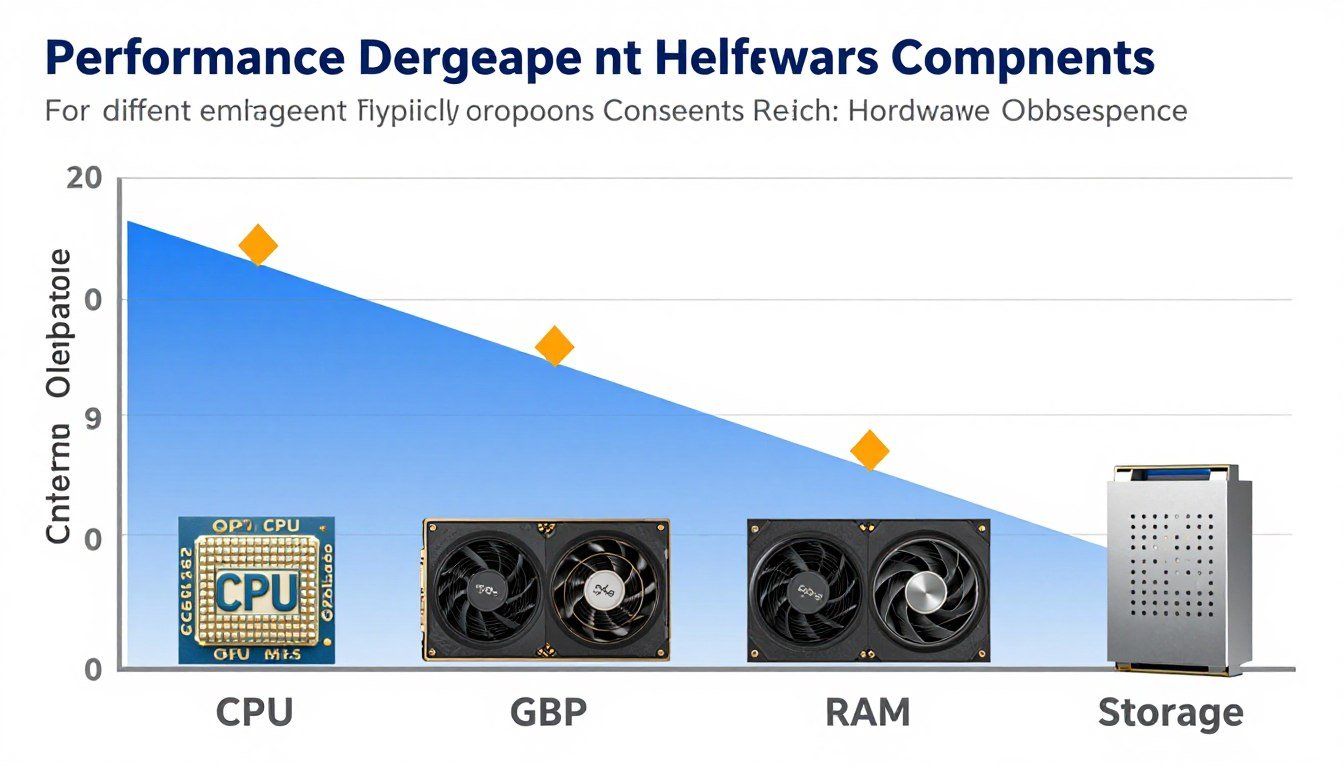
The Physics of Data: CPU-to-GPU Component Communication
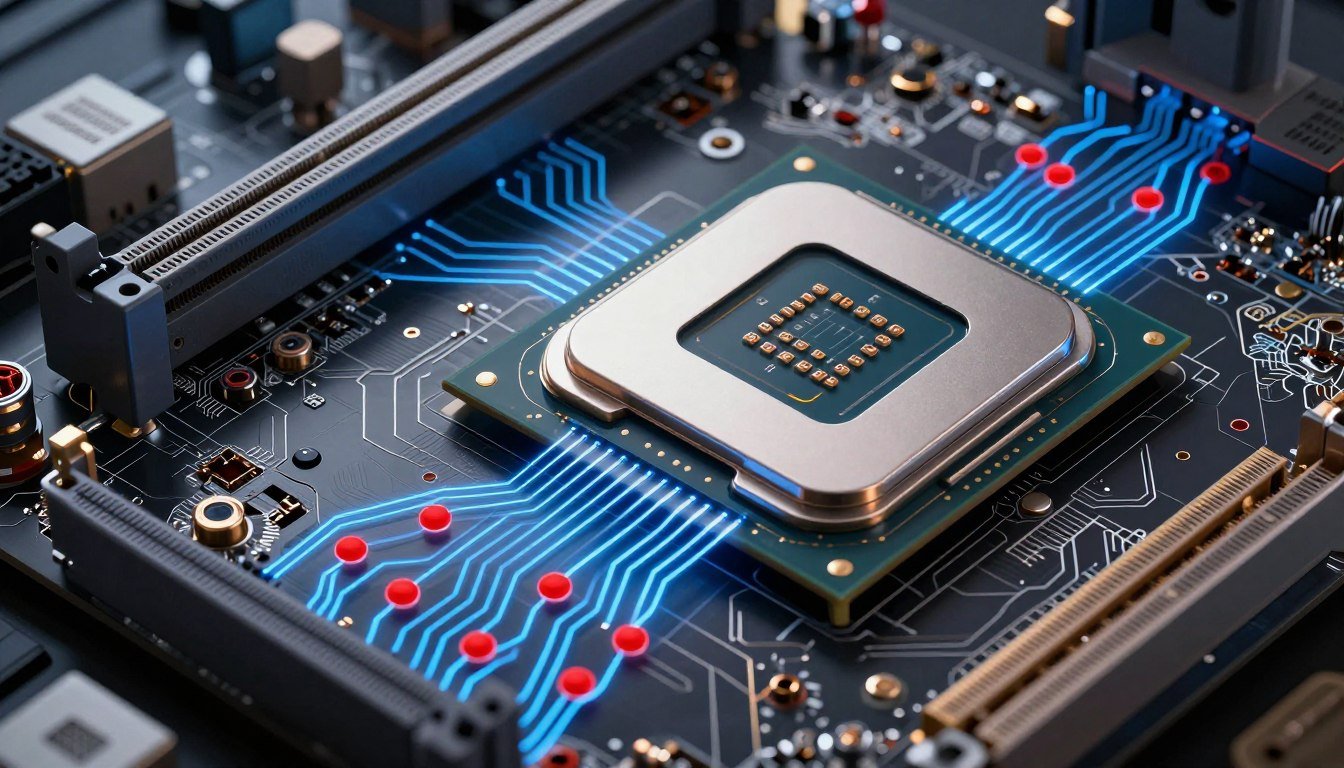
Esports Bottleneck: Minimizing Input Lag in Competitive Gaming
Software-Based Bottlenecks: Unoptimized Game Code That’s Killing Your FPS
Motherboard Bottleneck: How VRMs Kill Performance and What You Can Actually Do About It
Instruction Per Clock (IPC): Why GHz Isn’t Everything
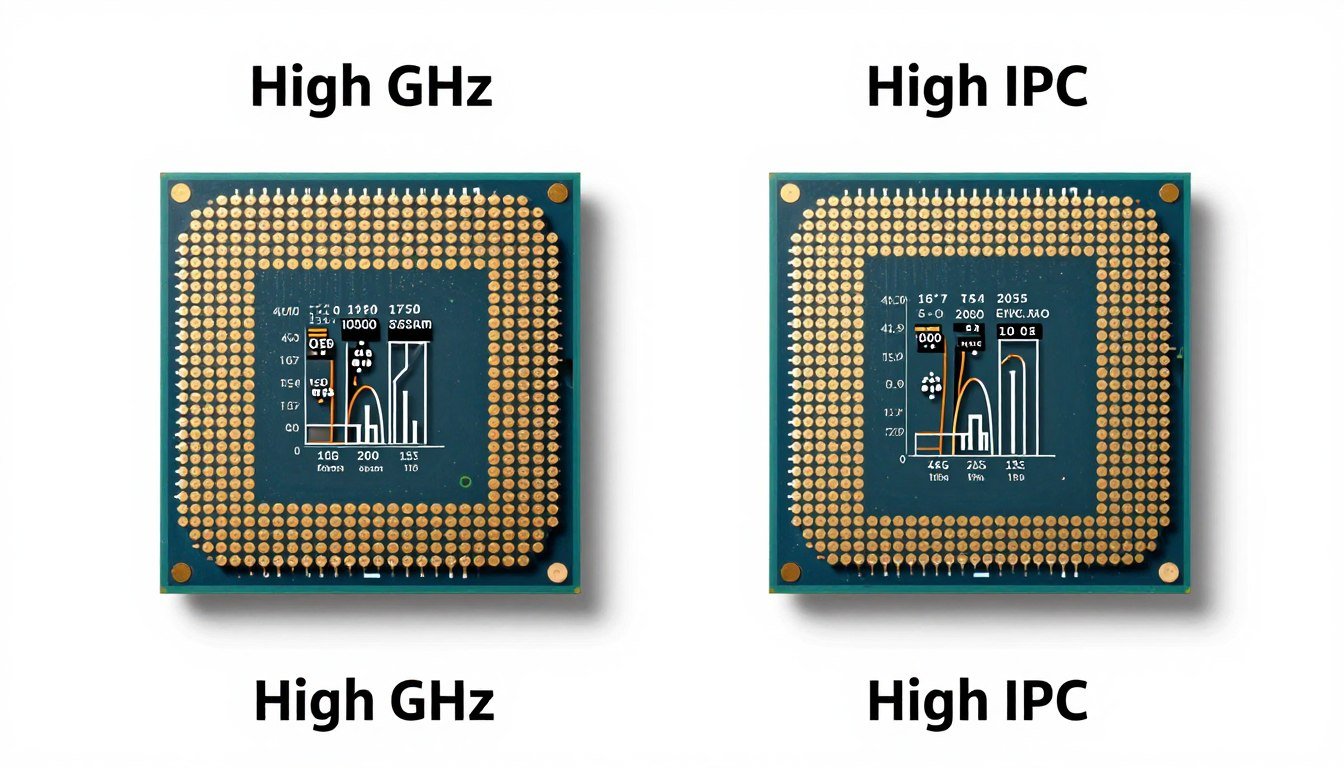
Cache Latency (L3): Why 3D V-Cache is a Game Changer
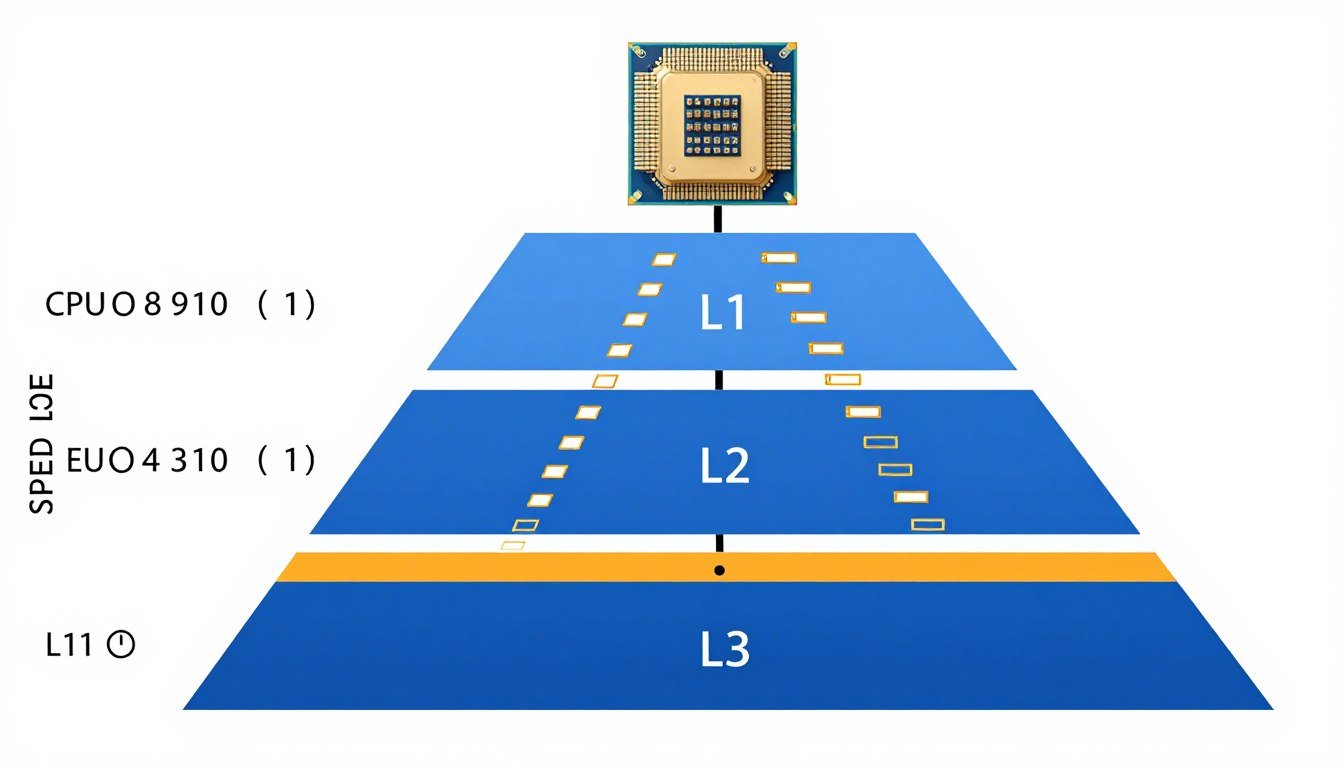
Open World Asset Streaming: CPU Logic vs. Drive Speed
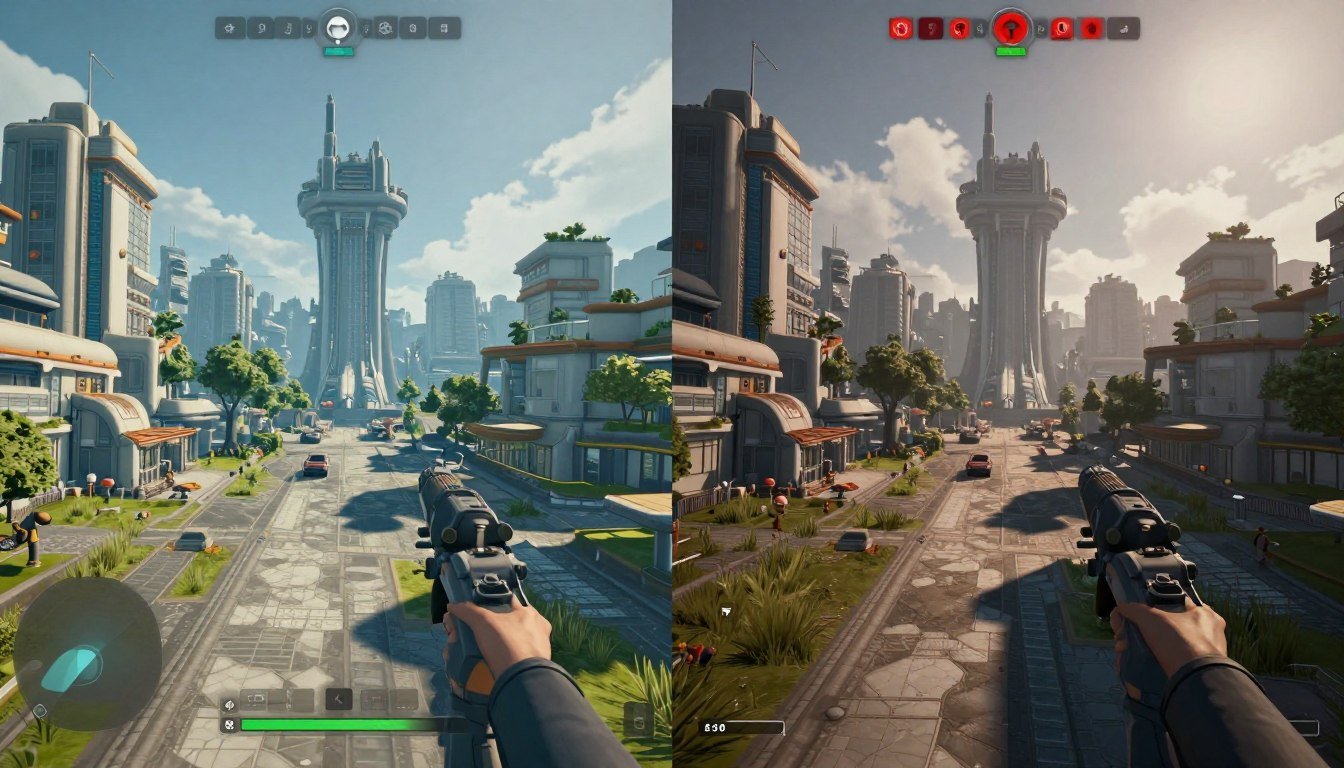
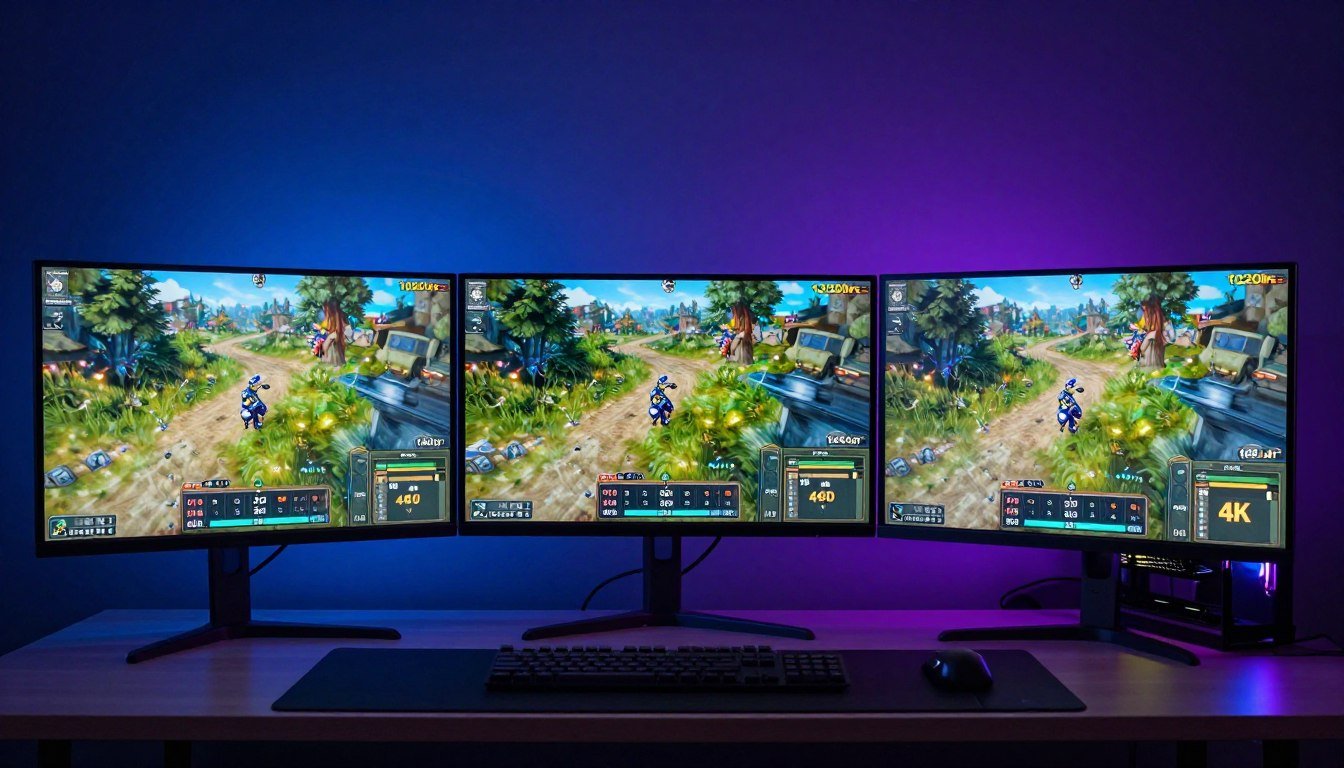
Resolution Scaling 101: How 1080p Shifting the Load
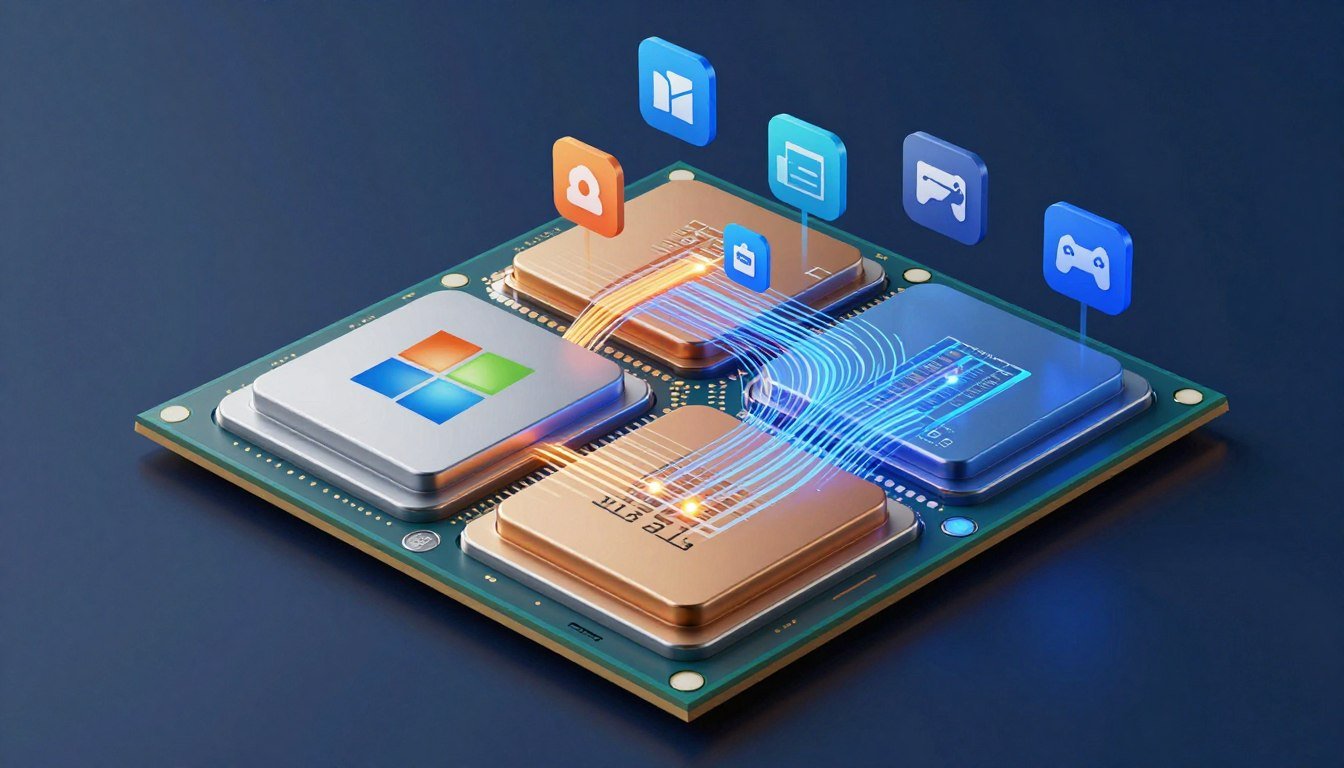
OS Scheduling: How Windows 13 Handles P-Cores and Why Your Gaming PC Feels Wrong
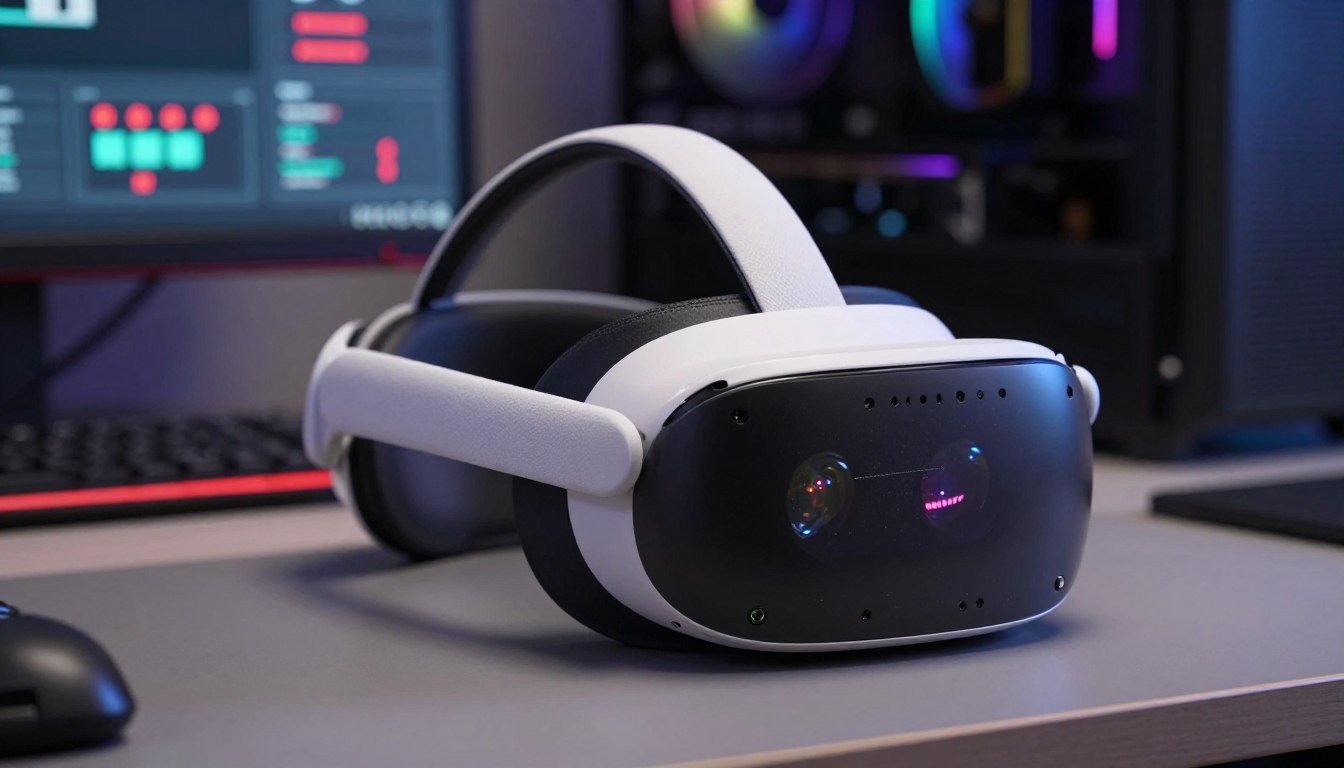
VR Performance: Why Your “Good” PC Still Stutters in Virtual Reality
Thermal Bottleneck: The Hidden Performance Killer Melting Your FPS
PCIe Bandwidth Limits: Do Lanes Actually Matter?
Frame Pacing vs. FPS: The Secret to Smoothness
Resolution Bottleneck: Why Your Monitor Choice Kills Gaming Performance
CPU Core Scaling: What I Wish I Knew Before Upgrading
System Balance: Why Your PC Needs Balanced Components
Bottleneck Percentage: What That Number Actually Means for Your PC
Identifying CPU Bottlenecks
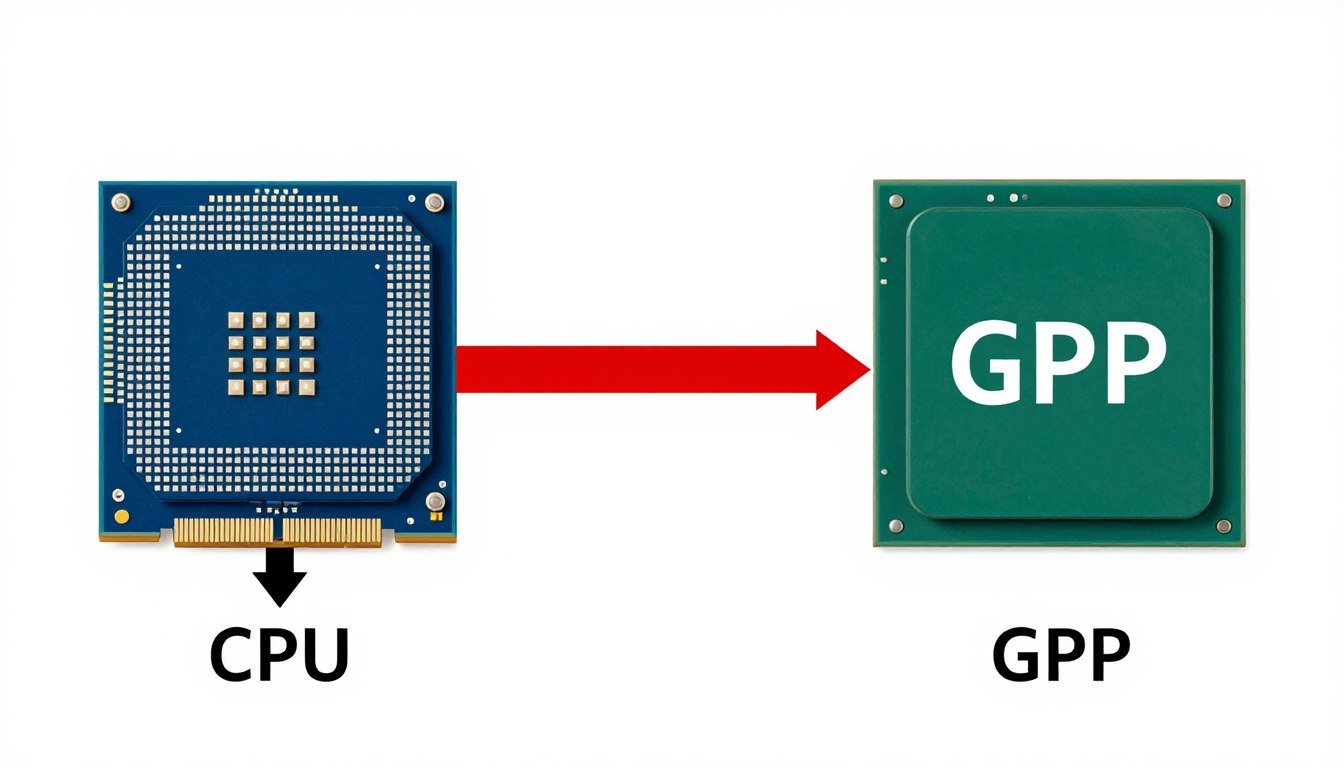
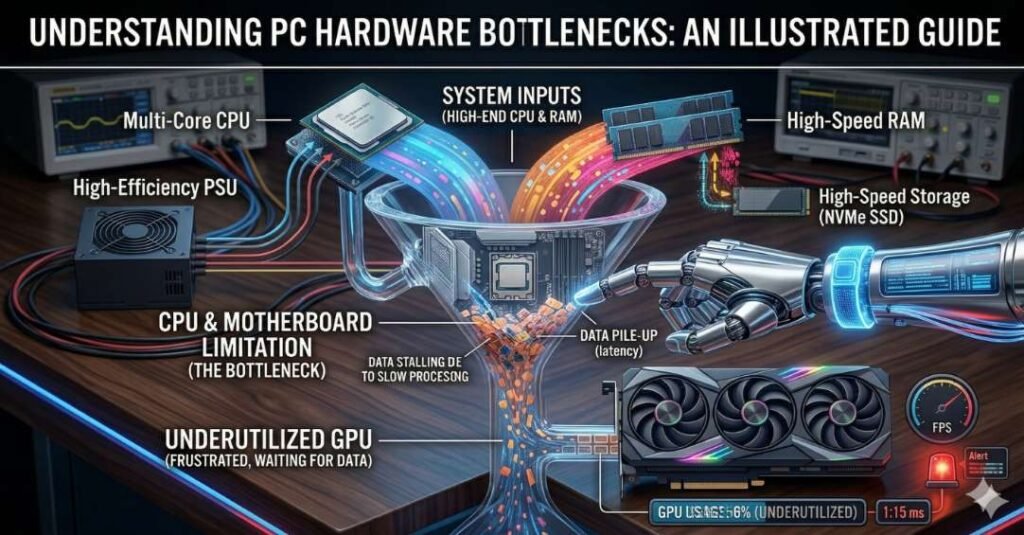
The ‘Water in a Funnel’ Analogy: Understanding Bottleneck Basics

GPU Bottleneck: Identifying and Resolving Performance Limitations
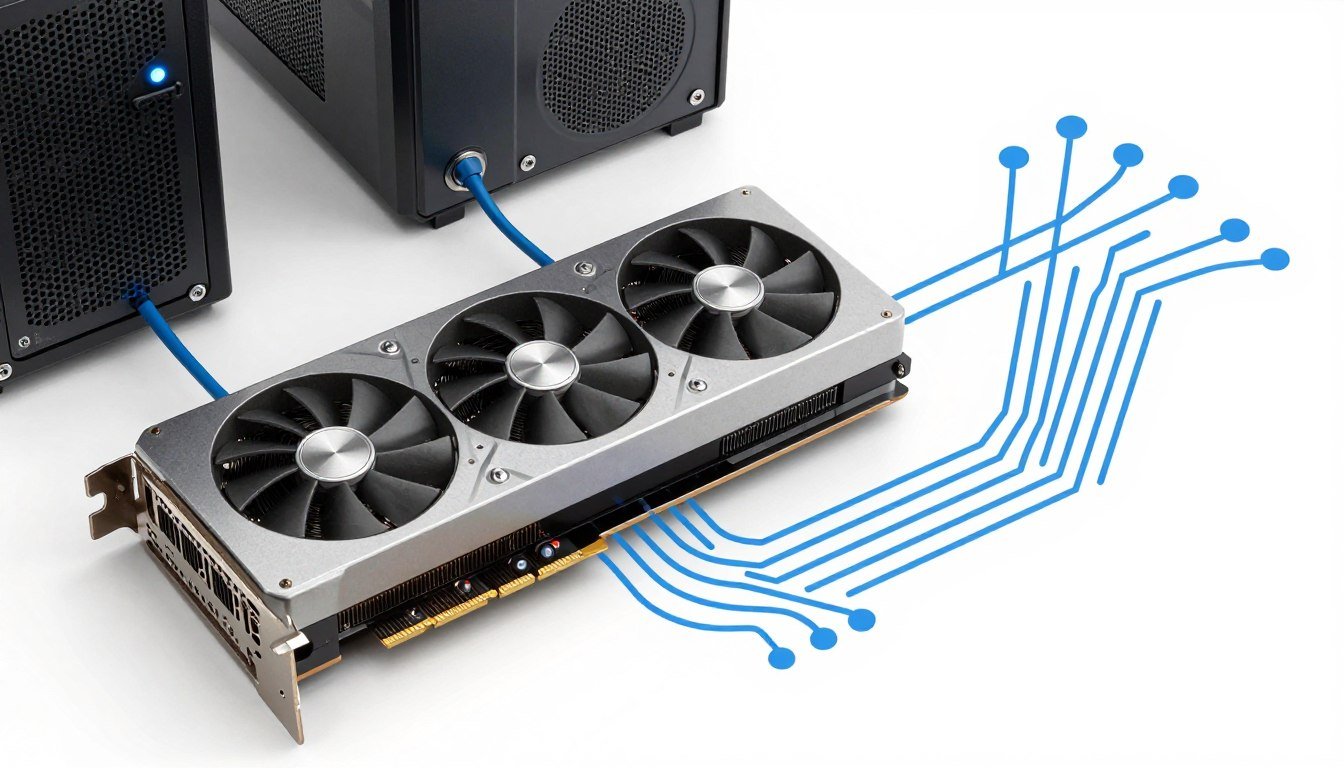
The Physics of Performance: The Funnel Effec
To truly identify bottleneck issues in a modern rig, we have to look at the bottleneck analogy most technicians use: the funnel effect. Imagine your system’s data as water. The widest part of the funnel represents your fastest component, while the narrow neck represents the limiting factor. If you have an RTX 5090 but an older 6-core CPU, the data gets stuck at the processor.
Establishing PC hardware balance isn’t about buying the most expensive parts; it’s about ensuring that the data flow from the storage to the CPU, through the motherboard, and finally to the GPU remains constant. A balanced build ensures that no single part is sitting idle while another is at 100% load.
Defining the GPU Bottleneck
A GPU bottleneck is actually the ideal state for most high-end gaming. It means your graphics card is being fully utilized, and you are getting every frame you paid for. However, if your card hits its limit at a lower frame rate than desired, you need to fix graphics limit issues.
One common culprit is resolution scaling. If you are playing at 1080p with a top-tier card, you often run into a 1080p bottleneck, where the GPU is so fast that the CPU can’t prepare frames quickly enough. By shifting GPU load to 1440p or 4K, you force the graphics card to work harder, which often smooths out performance. Understanding how resolution scaling 101 works allows you to balance the load between your components effectively.
The Gaming Processor Bottleneck
When your CPU hits 100% usage while your GPU sits at 60%, you are CPU limited. A gaming processor bottleneck is far more frustrating than a GPU one because it often leads to stuttering. This is where CPU architecture efficiency becomes more important than raw gigahertz.
The relationship between IPC (Instructions Per Clock) and performance is the real metric of success. A high clock speed vs IPC comparison often reveals that a modern processor at 4.0GHz can easily outperform an older one at 5.0GHz due to better architectural efficiency. Furthermore, CPU core scaling has changed. In 2026, multicore gaming is the standard, and the core count impact on background tasks and asset streaming is significant. If your CPU lacks enough cores, it cannot handle the heavy CPU thread management required by modern game engines.
Architecture and OS Scheduling
The introduction of hybrid architectures has made CPU thread management more complex. With the advent of P-Cores (Performance) and E-Cores (Efficiency), Windows 13 scheduling plays a massive role in gaming. If the OS sends a critical gaming task to an E-Core, you will experience a massive CPU bottleneck.
On the AMD side, the AMD gaming advantage is largely driven by L3 cache latency improvements. Technologies like 3D V-Cache allow the processor to store more data closer to the execution cores, drastically reducing the time the CPU spends waiting for information. This leap in CPU architecture efficiency is often the “secret sauce” that eliminates micro-stutters that a standard bottleneck percentage might not capture.
Motherboards and Data Bandwidth
A frequently overlooked limitation is the motherboard bottleneck. Your motherboard handles the power delivery to the CPU. If you have high-end silicon on a budget board, you might run into VRM thermal throttling. When the Voltage Regulator Modules get too hot, they cut power to the CPU to prevent damage, causing an immediate performance drop.
Furthermore, PCIe bandwidth is the highway your GPU uses. While modern PCIe lanes are incredibly fast, using a lower GPU slot speed (like a Gen 3 slot for a Gen 5 card) can limit the maximum throughput. While this rarely affects average FPS significantly, it can severely impact frame pacing and consistency.
The Role of Storage and Memory
The CPU vs SSD relationship is the foundation of modern open-world games. Asset streaming requires the CPU to pull massive amounts of data from the NVMe drive instantly. If the drive is slow, or the CPU is bogged down with logic tasks, you experience open world lag. Ensuring your storage can keep up with your processor is a key part of maintaining PC component synergy.
Thermals and Mathematical Accuracy
A thermal bottleneck is perhaps the most common “hidden” killer of performance. When PC heat issues arise, the hardware engages in thermal throttling. This isn’t a hardware failure, but a protective measure that lowers your clock speeds.
When users look at a bottleneck percentage, they often ask about bottleneck calculator accuracy. It is important to remember that these numbers are estimates based on synthetic data. Real-world system balance is measured by frame delivery and frame pacing. The difference between FPS vs smoothness is vital; a system that produces 100 FPS with poor frame delivery will feel worse than a system producing a steady, consistent 60 FPS.
Achieving System Balance
Ultimately, a balanced build is about harmony. You want to reach a state where your PC hardware balance allows every component to breathe. By focusing on PC component synergy, you ensure that your investment translates into a smooth, immersive experience. Don’t just chase the highest numbers on a pc bottleneck checker; look for the setup that provides the most consistent frame pacing for the games you actually play.
Bottleneck Basics: Frequently Asked Questions
Is a 10% bottleneck percentage something I should worry about?
In short, no. When discussing bottleneck calculator accuracy, most experts agree that any result under 10-15% is negligible in real-world gaming. No system is perfectly balanced across every single game. A small GPU bottleneck is actually preferred, as it ensures you are getting the full value out of your most expensive component.
Why does my game stutter even though my FPS is high?
This is usually a result of poor frame pacing or a CPU bottleneck that isn’t showing up as 100% total usage. If one or two cores are maxed out, your frame delivery becomes inconsistent. This creates a disconnect between FPS vs smoothness, where the counter looks good, but the “feel” of the game is jittery. Checking for thermal throttling or background CPU thread management issues is the first step to fixing this.
Does resolution really affect a CPU bottleneck?
Yes, significantly. This is the core of resolution scaling. At lower resolutions like 1080p, the CPU has to work much harder to feed the GPU frames quickly. This creates a 1080p bottleneck. By increasing the resolution to 4K, you are shifting GPU load significantly, making the GPU the primary limit and often “hiding” a weaker CPU’s limitations.
How does Windows 13 scheduling affect my gaming performance?
Modern hybrid CPUs use a mix of P-Cores and E-Cores. Windows 13 scheduling is designed to recognize which tasks are high-priority (like your game) and assign them to the faster P-Cores. If the scheduler fails, or if you are using an older OS, the game might run on slower cores, creating a massive, artificial gaming processor bottleneck.
Can a slow SSD cause a bottleneck if my CPU and GPU are fast?
Yes, specifically in modern “seamless” games. This is known as an asset streaming bottleneck. In the CPU vs SSD battle, if your storage can’t feed the CPU data fast enough, the game will pause or drop frames while waiting for textures and models to load, leading to open world lag.