
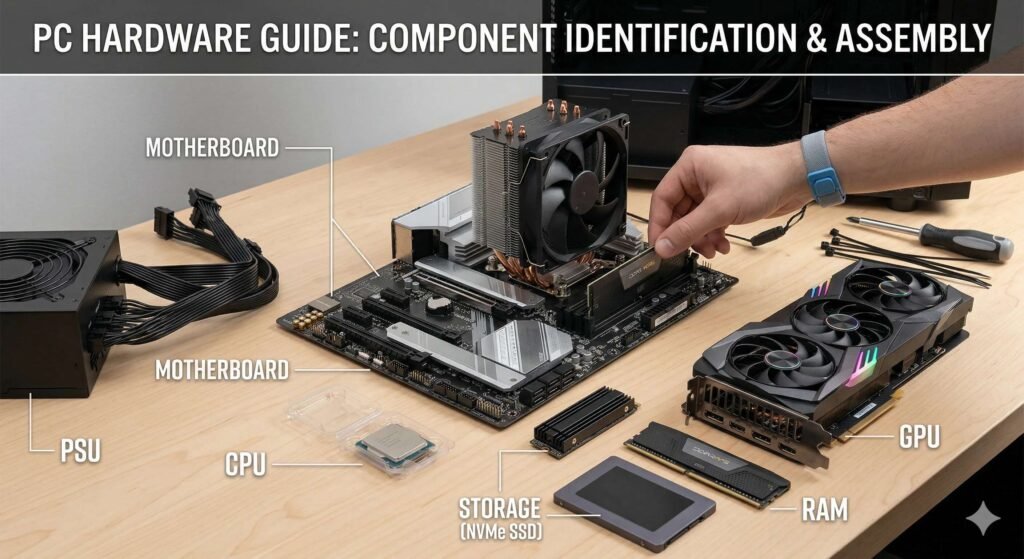
Our technical Hardware Guides are designed to help you navigate the complex world of 2026 components. Whether you are analyzing the throughput of the new RTX 50-series or looking for a cpu calculator to measure processing cycles, understanding the physical limits of your gear is essential. We dive deep into micro architecture to ensure your parts offer the best gaming performance. Before you buy, use our bottleneck calculator to see if your chosen parts are a perfect match, then head back to our master Knowledge Base to learn how to maintain that hardware for long-term stability and peak efficiency.
Discover More About PC Hardware Guides
Multi-Die GPU Architecture: The Chiplet Revolution
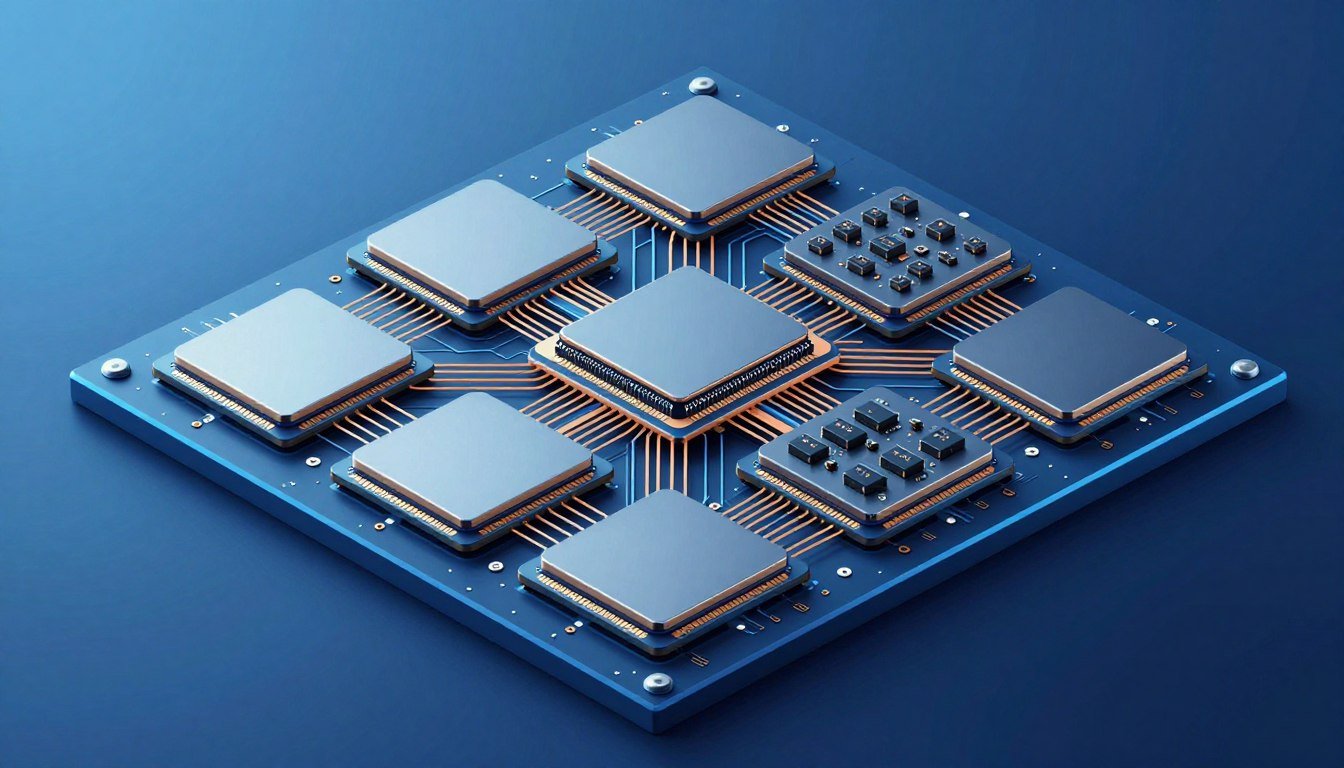
Infinity Fabric Tuning: AMD Memory Synchronization
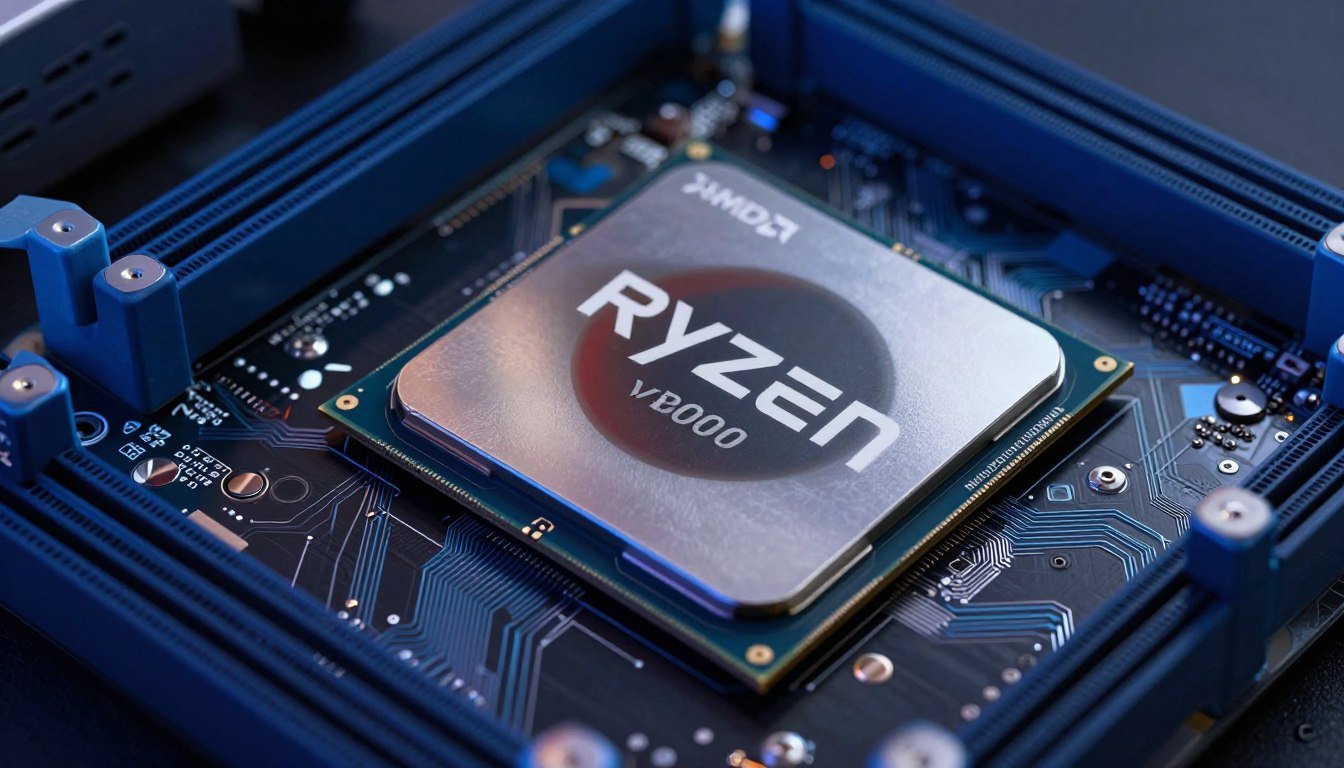
Used Hardware Gems: 2024 Tech in 2026 Builds
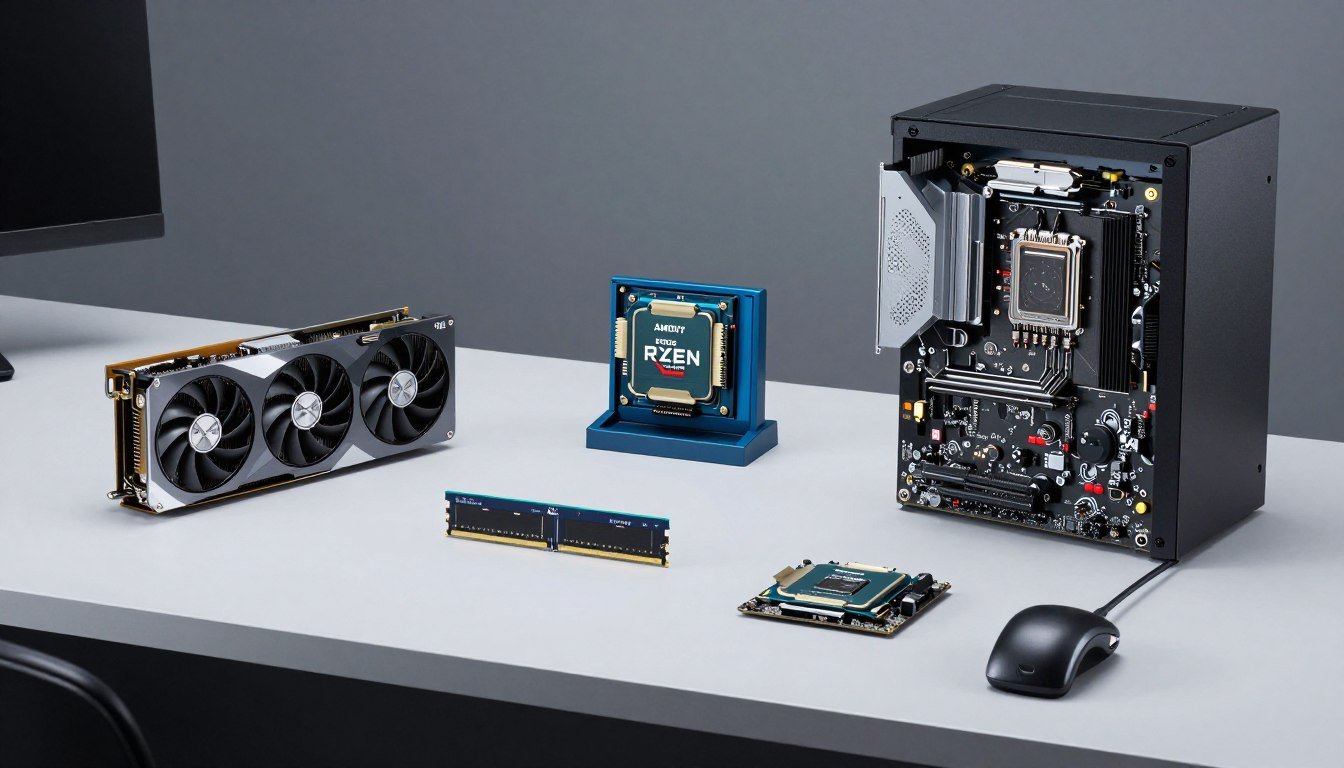
Cooling Solutions: 420mm AIOs vs. Custom Loops
Display Lag: OLED vs IPS Monitor Response Times Explained
Workstation vs. Gaming GPUs: The VRAM Divider

Laptop GPU Guide: Why Not All RTX 5080 Laptops Are Created Equal
Ray Tracing Cores: Generational Performance Gaps
Dedicated Audio Hardware: Does it Save CPU Cycles?
ATX 3.1 PSUs: Why You Need the 12V-2×6 Cable
Motherboard Chipset: B-Series vs Z-Series Boards and Their Impact on FPS
iGPU Gaming: The State of APUs in 2026
RTX 5070 vs. RX 8800 XT: Mid-Range PC Build Showdown
VRAM Capacity 2026: Is 16GB the New Minimum for Gaming?
NVMe Gen 6 Speed: Impact on DirectStorage Gaming
Building a Mid-Range PC That Actually Makes Sense
Intel Nova Lake Architecture: The New Desktop King?
VRAM Bottleneck: Here’s Why Your GPU Feels Slow (And What to Actually Do About It)
eGPU Bottleneck: The Thunderbolt 5 Reality Nobody Talks About
Intel vs AMD 2026: Which CPU Actually Delivers for Your Money?
Understanding Your System Performance
Achieving the perfect gaming experience requires more than just high-end parts; it requires total system balance. When your hardware is in alignment, you experience performance leaps, which is why using a reliable PC bottleneck calculator is the first step for any enthusiast. By running a comprehensive bottleneck checker, you can determine if your processor is struggling to keep up or if your graphics card is being underutilized.
Our Knowledge Base provides the technical depth needed to interpret these results, offering a deep dive into how a gpu calculator or a cpu calculator actually measures data throughput. Whether you use our bottleneck calculator to plan a future-proof build or a pc bottleneck checker to fix current-in-game stutters, understanding component synergy is vital. Don’t leave your FPS to chance; leverage our data-driven tools and expert guides to ensure every component in your rig is performing at its absolute limit.
The 2026 Processor War: Intel vs. AMD
The landscape of desktop processor architecture has shifted significantly this year. The debate of Intel vs AMD 2026 is no longer just about raw clock speeds; it’s about efficiency and instruction sets. With the release of Intel Nova Lake, we are seeing a massive jump in IPC (Instructions Per Clock). This next-gen Intel CPU lineup aims to be the best gaming CPU for those who prioritize single-core burst speeds.
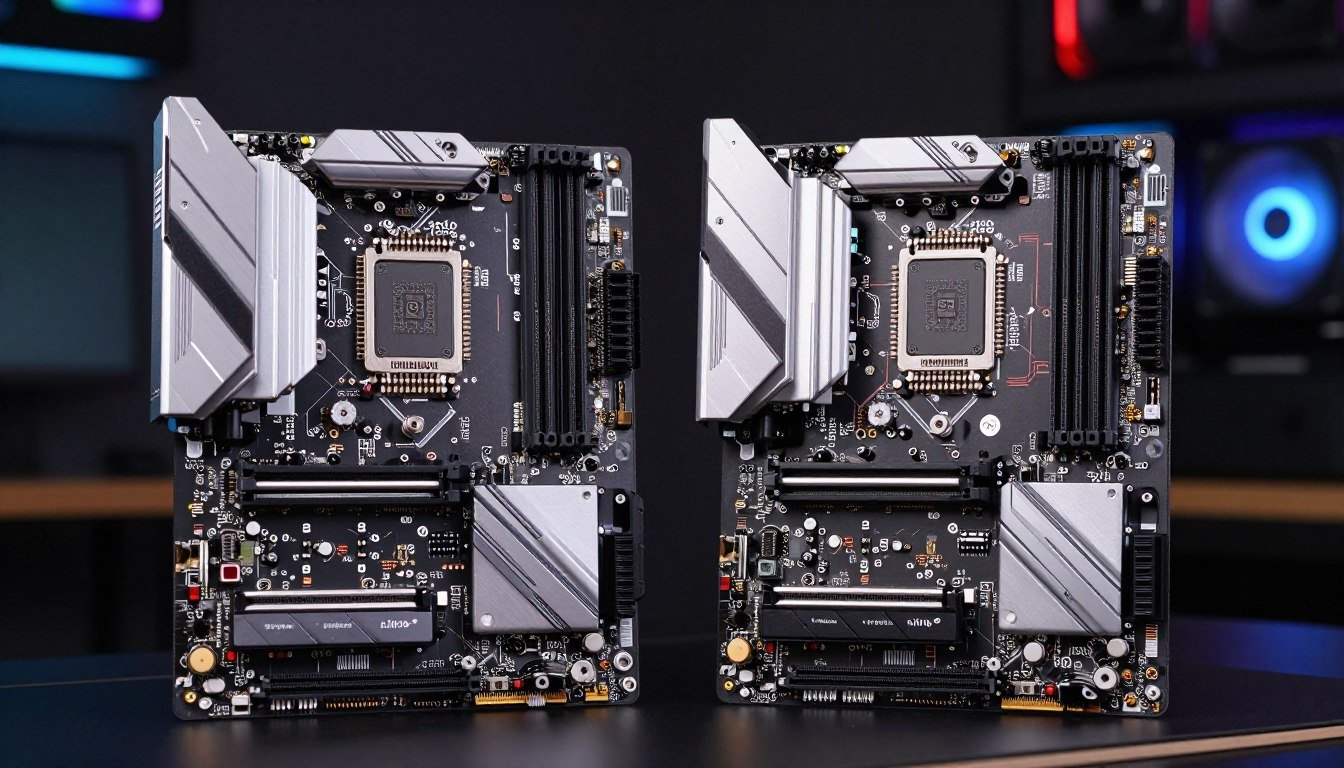
However, a CPU value comparison shows that AMD still holds a firm grip on the mid-market. When looking at a mid-range PC build, the efficiency of the Zen architecture often provides a better price-to-performance PC ratio. Whether you choose the blue or red team, your motherboard chipset choice will dictate your overhead. The choice between B-Series vs Z-Series boards remains a primary factor in FPS impact, especially when considering power delivery for high-TDP chips.
The GPU Evolution: VRAM and Bandwidth
We have finally reached a point where the VRAM bottleneck is a mainstream concern. In the current gaming requirements 2026 era, 16GB VRAM is effectively the new minimum for 1440p and 4K gaming. If you are hitting a video RAM limit, you’ll likely experience heavy stutters. To fix GPU stutter, you must ensure your GPU memory capacity matches the asset-heavy demands of modern engines.
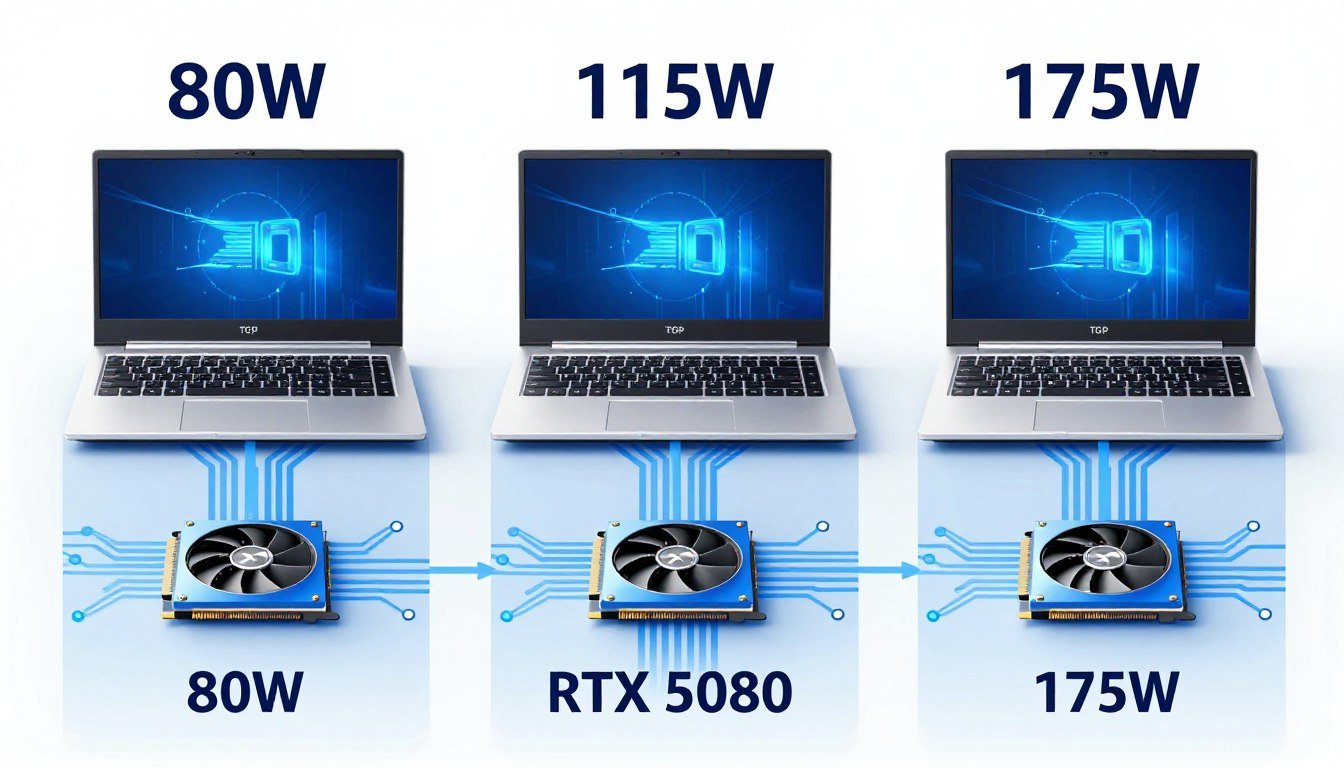
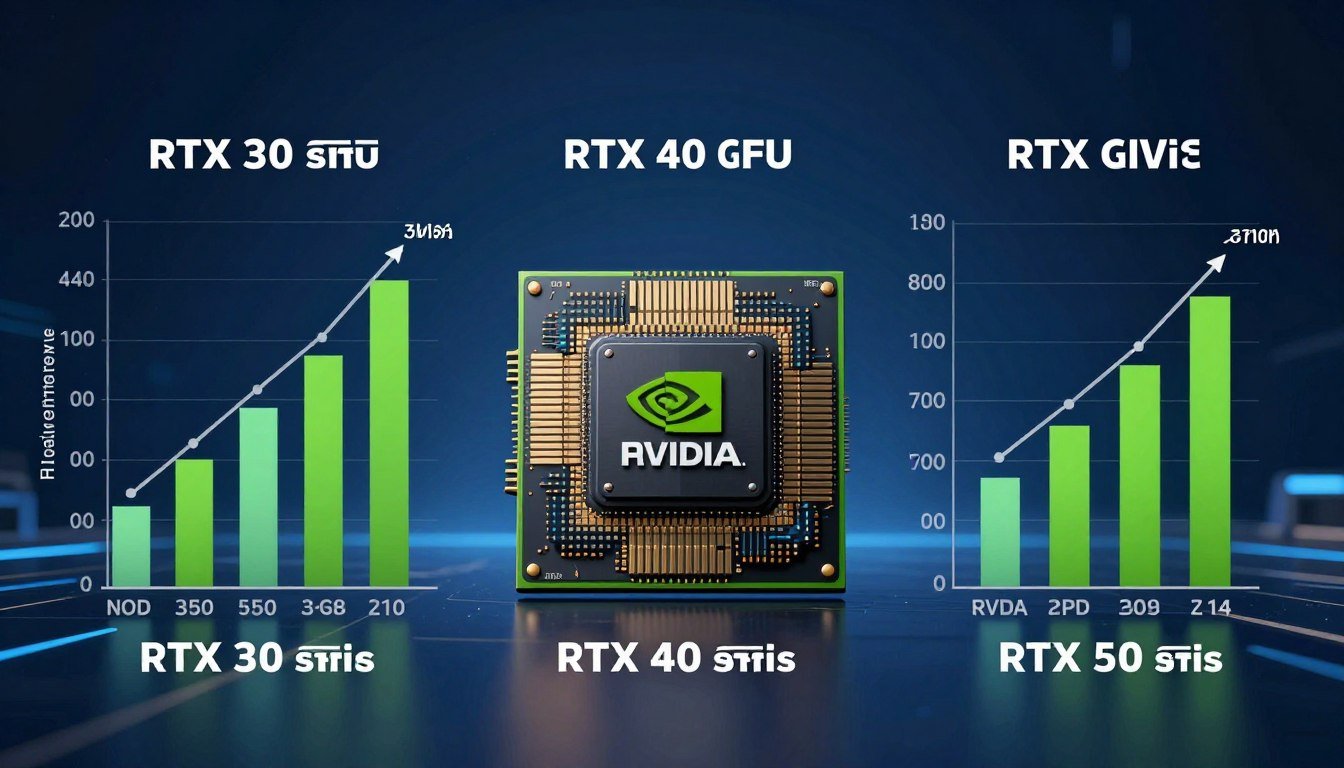
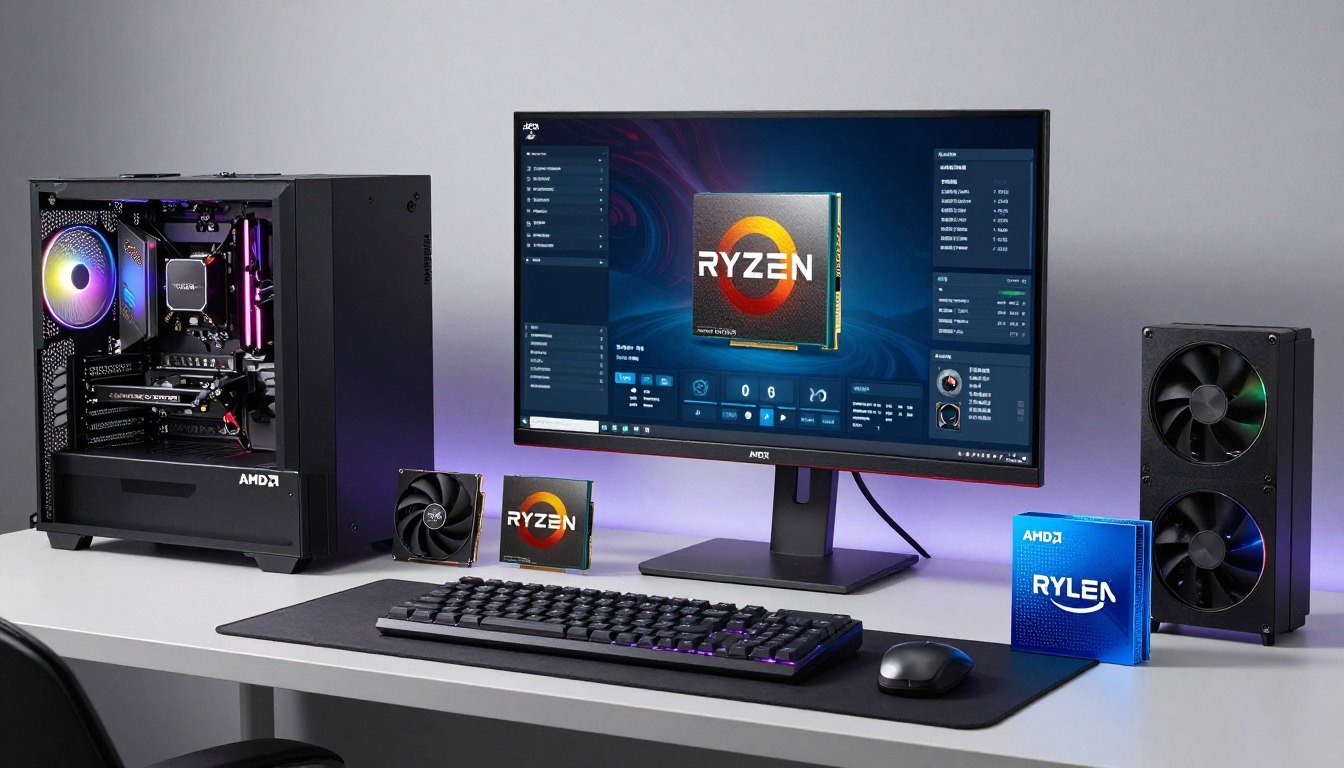
The RTX 5070 and the RX 8800 XT are the two primary titans in the current Nvidia vs AMD mid-range showdown. Our latest GPU benchmarks indicate that while Nvidia leads in RT performance and specialized Ray Tracing cores, AMD offers superior raw rasterization and VRAM comparison metrics for the dollar. For those using laptops, the laptop GPU guide is more critical than ever; remember that a mobile GPU TGP varies wildly between manufacturers, meaning not all laptop RTX 5080 units will perform the same.
Storage and Data Flow: NVMe Gen 6 and Beyond
The jump to NVMe Gen 6 speed has fundamentally changed how we view gaming storage performance. With the full integration of DirectStorage, the SSD speed is no longer just about how fast a game loads—it’s about how quickly high-resolution assets stream into the scene. This reduces the CPU overhead previously required for data decompression.
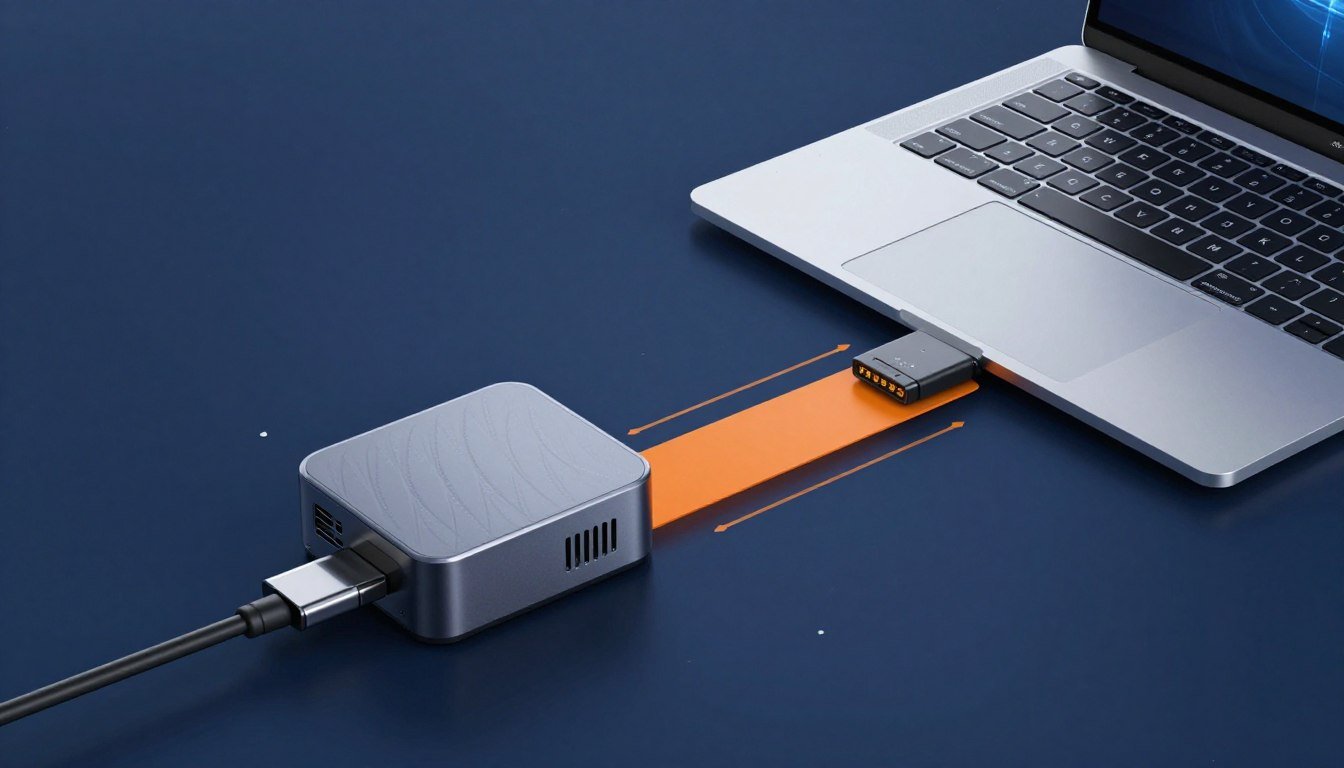
On the mobile front, the eGPU market has been revitalized by the Thunderbolt 5 release. The massive increase in bandwidth has finally solved the dreaded Thunderbolt bottleneck, allowing an external GPU to perform within 10% of its desktop counterpart. This makes high-end gaming viable on ultra-thin ultrabooks without the traditional performance penalty.
Stability and Infrastructure: PSU and Cooling
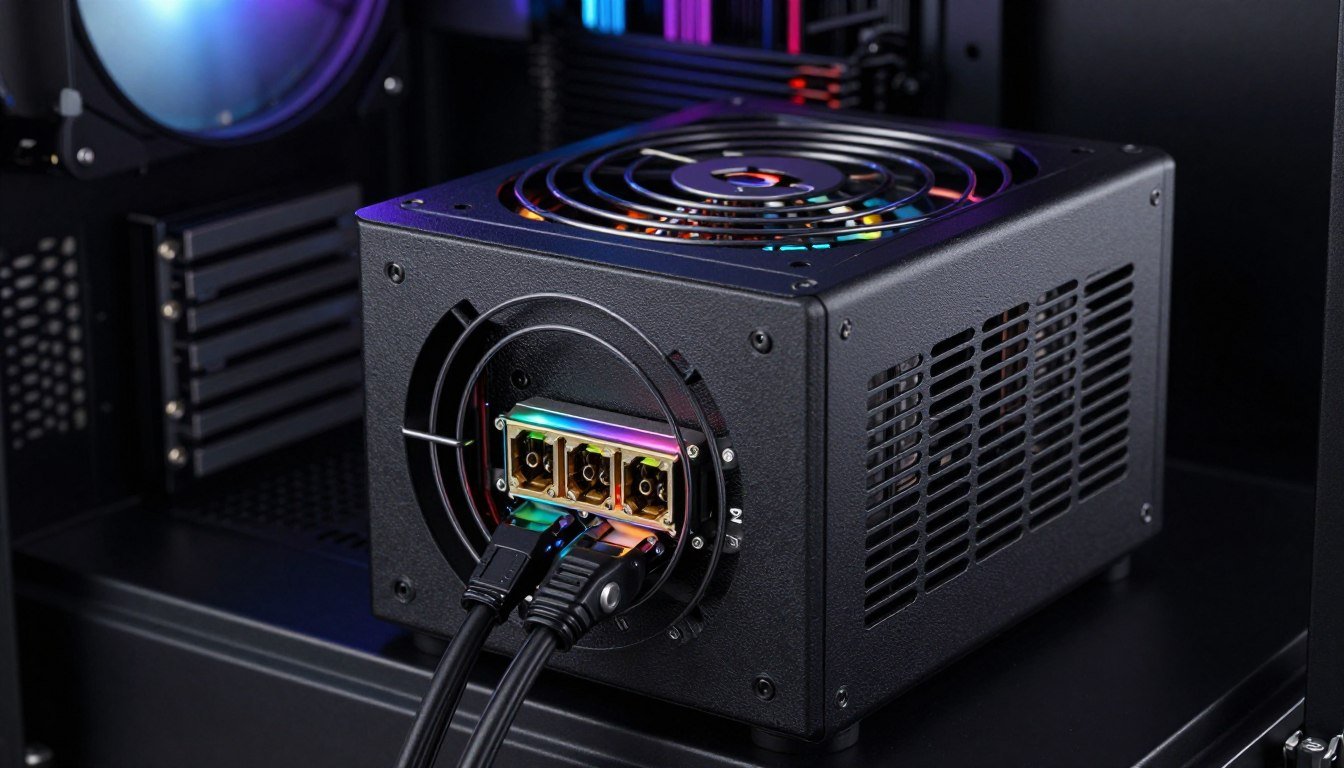
Powering these 2026 behemoths requires adherence to new power supply standards. An ATX 3.1 PSU is now mandatory for high-end builds to handle transient spikes safely. The 12V-2×6 cable has replaced the older 12VHPWR design to ensure a more secure connection and prevent thermal issues at the connector. Utilizing PCIe 5.0 power effectively ensures your system won’t shut down during intense rendering sessions.
Thermal management has also evolved. While many enthusiasts still prefer custom loop cooling for the aesthetic and peak performance, the new 420mm AIOs have narrowed the liquid cooling comparison gap significantly. Keeping your CPU temps low is vital, but don’t forget the motherboard. A motherboard bottleneck can occur if the VRMs overheat, which is why a high-quality gaming motherboard is a foundational requirement for any stable overclock.
Visual and Audio Fidelity
Your choice of monitor can be a hidden resolution bottleneck. We often see builders pairing an RTX 5090 with a subpar panel, which tanks gaming performance by introducing display lag. The OLED vs IPS debate continues, but in 2026, OLED has largely won on monitor response time. For competitive players, the millisecond differences in gaming monitors can be the difference between a win and a loss.
Interestingly, dedicated audio hardware is seeing a resurgence. While onboard audio is “fine,” a dedicated sound card or external DAC can actually save a few CPU cycles by handling audio processing off-chip. While the gain is small, in a world where we fight for every frame, every bit of optimization counts.
Advanced Tuning and Future Tech
For those who like to tinker, Infinity Fabric tuning and FCLK overclocking remain the best ways to squeeze extra juice out of AMD Ryzen memory. This ensures your balanced PC parts are communicating as fast as the silicon allows. We are also seeing the first wave of the multi-die GPU and chiplet architecture revolution, which promises a GPU design future where performance scales horizontally rather than just through larger, hotter dies.
If you are on a budget, don’t overlook used hardware gems. There is immense 2024 tech value in the second-hand market. Integrating used PC parts into 2026 builds is a smart way to maintain a high-end experience without the high-end price tag.
Lastly, for those in the professional space, the workstation GPU market remains distinct. While a gaming card can handle some tasks, the driver stability and specialized memory on pro cards create a clear gaming vs professional GPU divide that shouldn’t be ignored if your livelihood depends on your renders. Even iGPU gaming has seen a massive uplift; the APU performance 2026 benchmarks show that integrated graphics are now capable of handling 1080p esports titles at high refresh rates, making them a viable entry point for many.
Is 16GB VRAM truly the new minimum for gaming in 2026?
Absolutely. As we analyze current gaming requirements 2026, it’s clear that high-resolution textures and complex geometry are pushing GPU memory capacity to its limits. When a game exceeds your available memory, you hit a video RAM limit, resulting in a severe VRAM bottleneck. To effectively fix GPU stutter and ensure smooth frame delivery in titles like GTA VI or Cyberpunk 2077, having at least 16GB VRAM is necessary for anyone building a mid-range PC build or higher.
Between Intel vs AMD 2026, which offers the better price-to-performance ratio?
A thorough CPU value comparison shows that the market is split. The Intel Nova Lake series represents a peak in desktop processor architecture, making it arguably the best gaming CPU for raw speed. However, AMD’s multi-die GPU and chiplet architecture approach allows them to offer a more competitive price-to-performance PC for multitaskers. Your choice of motherboard chipset—specifically B-Series vs Z-Series boards—will also dictate your total cost, as Z-series boards are required to unlock the full FPS impact of high-end Intel chips.
Do I really need to upgrade to an ATX 3.1 PSU for the new RTX 50-series?
Yes, adhering to the latest power supply standards is no longer optional for high-end rigs. An ATX 3.1 PSU is designed to handle the massive transient power spikes common in the 50-series. By using the updated 12V-2×6 cable, you ensure a safer, more efficient delivery of PCIe 5.0 power. Without this, you risk system instability that can tank gaming performance during peak load, regardless of how fast your gaming motherboard is.
Can an eGPU setup finally replace a traditional gaming desktop?
We are closer than ever. Thanks to Thunderbolt 5, the bandwidth has tripled, effectively eliminating the old Thunderbolt bottleneck that used to plague external setups. While an external GPU or eGPU will still show a slight generational GPU gap compared to a desktop card slotted directly into a PCIe lane, the performance of a laptop RTX 5080 connected via Thunderbolt 5 is now indistinguishable from a high-end desktop for most users.
How do I know if I have a motherboard bottleneck?
A motherboard bottleneck is often invisible until you look at thermals and clock speeds. If your CPU temps are fine but your processor is downclocking, your motherboard chipset or VRMs might be overheating. This is why a balanced PC parts list is essential. Pairing a top-tier next-gen Intel CPU with a low-end board will throttle your gaming performance. Always cross-reference your parts with a bottleneck calculator and check GPU benchmarks to ensure your infrastructure can support your processing power.