
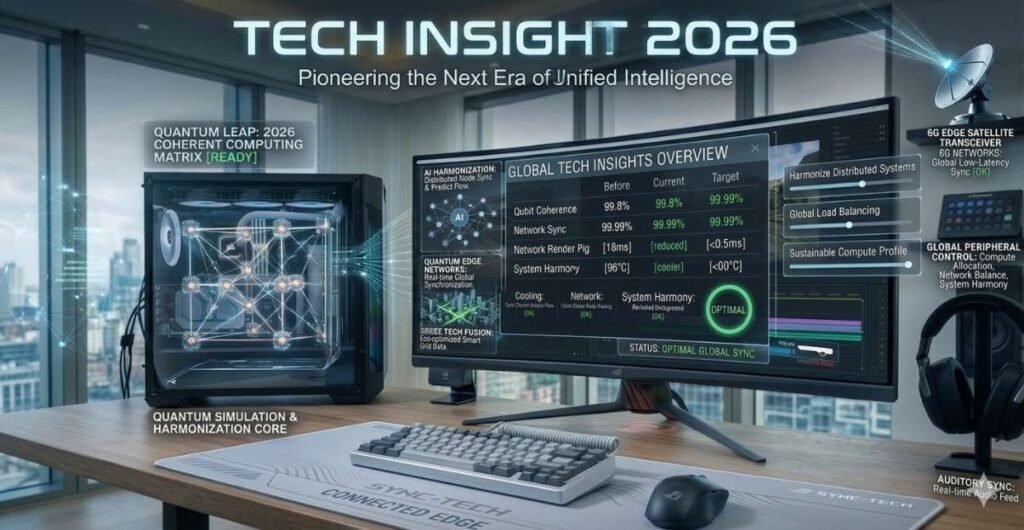
The future of computing is changing rapidly, and Tech Insights 2026 keeps you informed on emerging trends like AI NPUs and chiplet GPU designs. As we transition into new architectures, using a modern pc bottleneck calculator becomes even more vital to understand how AI-driven upscaling affects your gaming performance. We bridge the gap between today’s standards and tomorrow’s tech insights 2026 to keep your build relevant. Check our Knowledge Base master list for updates on PCIe 6.0, and use our bottleneck checker frequently as driver updates and new APIs shift the balance of your existing PC.
Read More About Tech Insights
Wireless VR: 8K Streaming Tech Insights
Cloud Gaming Future: 6G Internet vs. Local PCs
Quantum Gaming: What It Actually Means for Your Gaming Rig
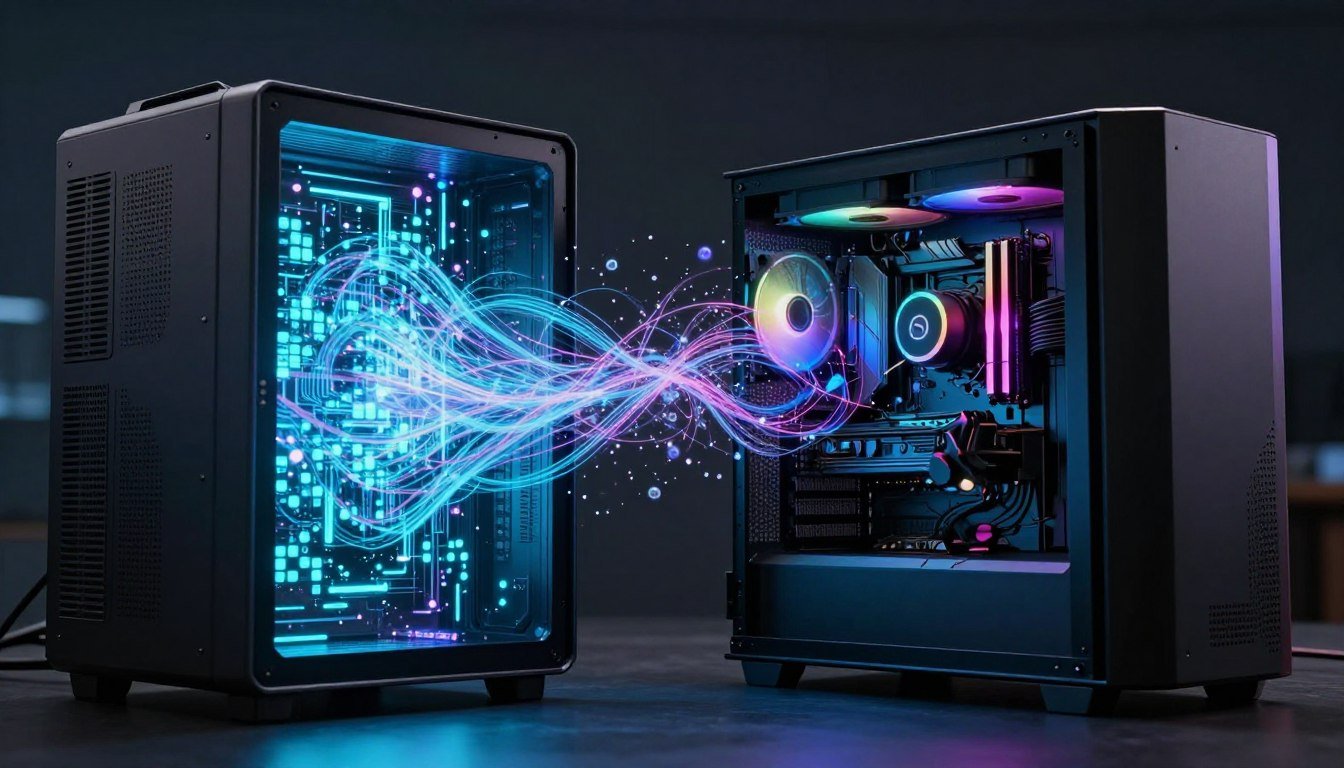
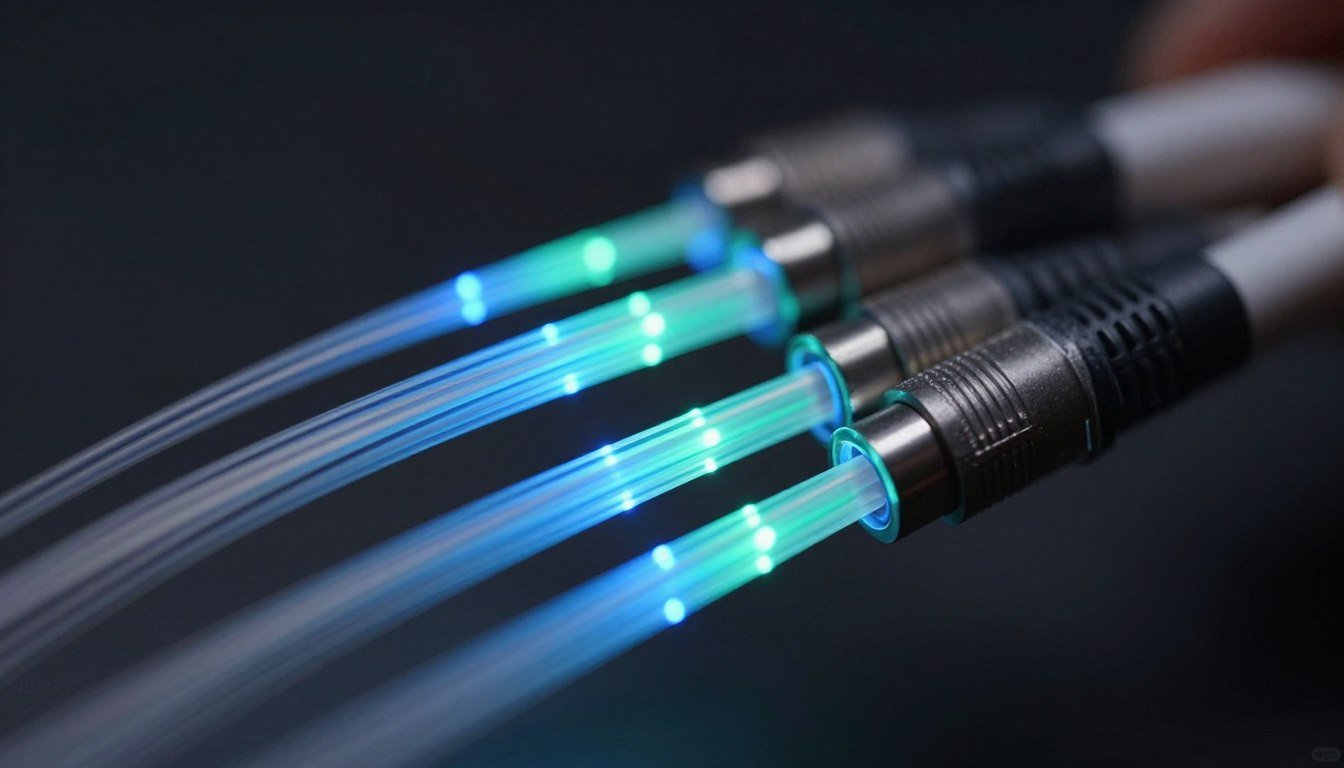
Optical Interconnects: The Future of Data Speed
The Death of 8GB VRAM: Market Shift Analysis
Windows 13 Gaming: The New Desktop Experience That Might Actually Deliver
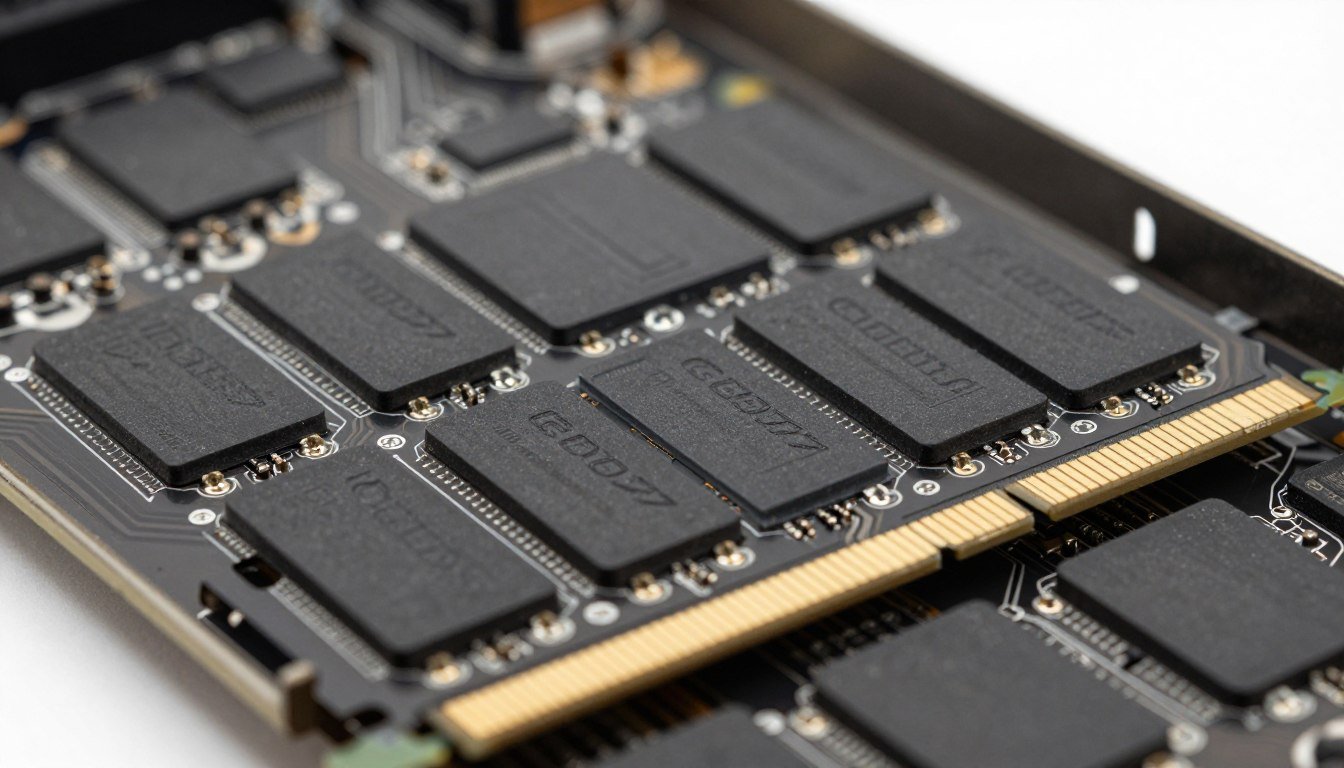
GDDR7 Memory: What It Actually Means for Your Next GPU
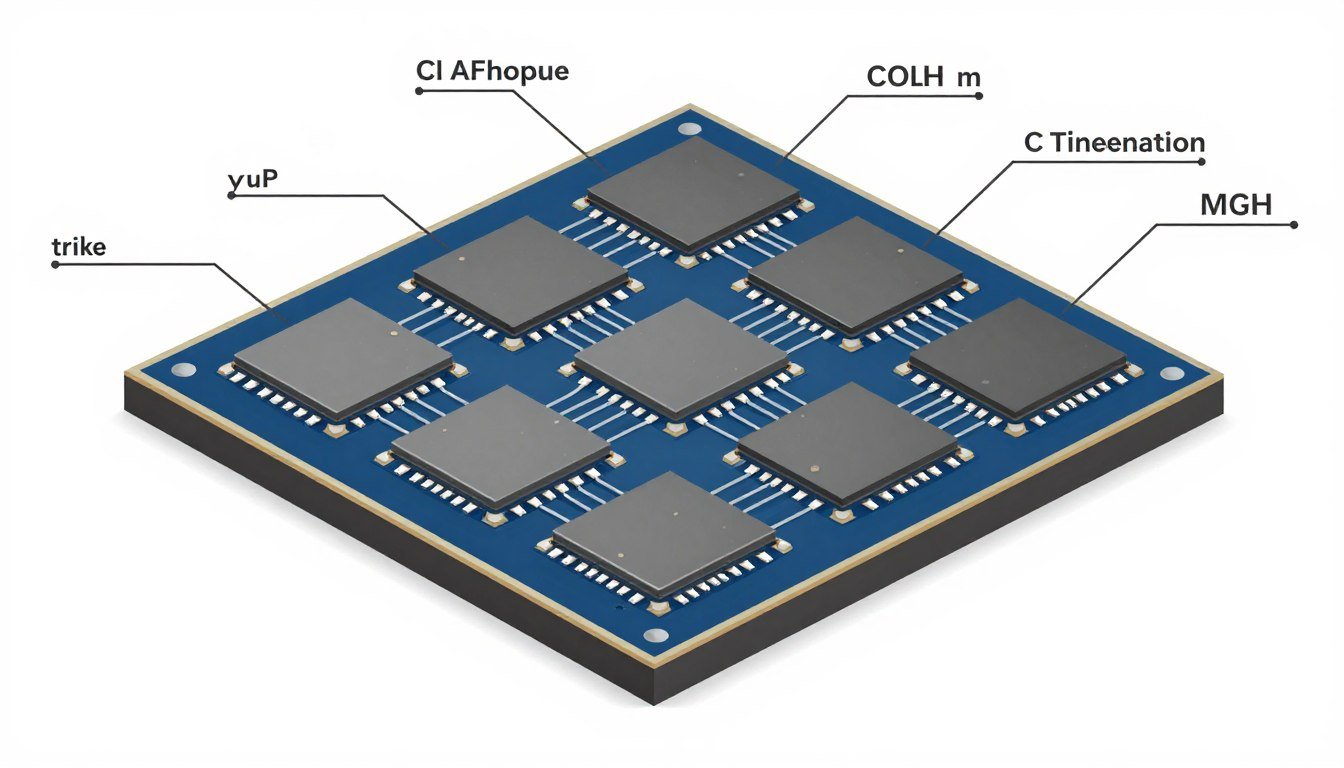
Chiplet GPU Tech: What PC Builders Need to Know in 2026
AI NPU Performance: What TOPS Really Mean for Your PC
The Silicon Brain: AI Hardware Integration
The most significant shift in desktop architecture this year isn’t raw clock speeds—it’s the arrival of the dedicated AI NPU (Neural Processing Unit) as a standard block on both CPUs and GPUs. We have moved past the era where AI was just a buzzword; it is now a physical piece of silicon on your motherboard.
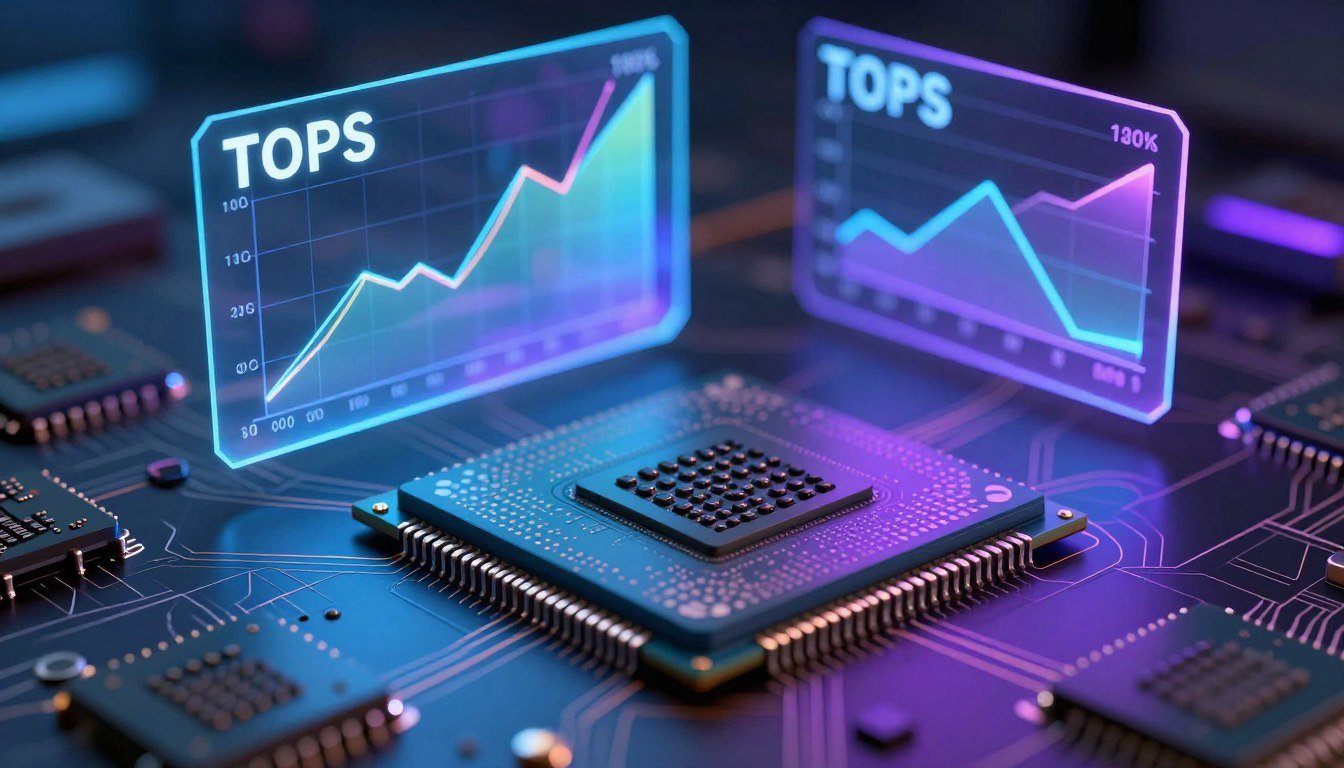
When evaluating new processors, technicians no longer just look at TFLOPS. The new industry standard is TOPS performance (Tera Operations Per Second). This metric tells us how efficiently the system can handle generative AI, real-time noise cancellation, and advanced NPCs without burdening the traditional CPU cores. This specialized AI PC hardware allows for a “silent” layer of optimization, where your system predicts resource needs and pre-allocates power before you even click “Start” on a heavy application.
Memory Reimagined: The GDDR7 Standard
Graphics cards in 2026 have finally broken through the bandwidth wall thanks to GDDR7. This isn’t a small incremental update; it is a fundamental change in signaling technology. By moving to PAM3 signaling, GDDR7 provides a massive leap in GPU memory speed while actually improving power efficiency compared to the aging GDDR6X standard.
For the user, this means that next-gen VRAM can handle the massive datasets required for 8K path-tracing without the “stuttering” associated with memory swaps. As textures become more complex and generative AI assets are streamed in real-time, the speed of your memory is becoming just as critical as the speed of your core clock. If your VRAM can’t feed the core fast enough, your expensive GPU will sit idle, creating a “bandwidth bottleneck” that is hard to diagnose without specialized tools.
Light-Speed Connectivity: The End of Copper?
We are reaching the physical limits of copper wiring for data transmission. In 2026, we are seeing the first consumer implementations of optical interconnects within high-end workstations. By using photonics—the science of using light instead of electricity—hardware manufacturers can move data between the CPU, GPU, and RAM at speeds that were previously impossible due to heat and resistance.
This transition to a data transfer future based on light signals solves the primary issue of thermal throttling on the motherboard level. When data moves via light, there is no electrical resistance, which means zero heat generated by the transfer process itself. This allows for tighter component integration and smaller form factors that still pack the punch of a full-sized tower.
The Quantum Horizon: Fact vs. Fiction
While we aren’t quite at the point of having a quantum rig under our desks, the influence of quantum computing is beginning to trickle down into software development. We are seeing early experiments in quantum gaming simulations, where cloud-based quantum processors handle complex physics or “infinite” world-generation tasks that traditional silicon simply cannot compute.
This is the ultimate future gaming tech. Instead of a game world being a static map, quantum algorithms allow for truly organic environments that react to player behavior at a molecular level. While your local PC still handles the rendering, the logic is processed on a quantum scale, blurring the lines between what is “real” and what is “simulated” in a digital space.
The Great Infrastructure Shift: 6G and the Cloud
The debate of local PC vs cloud has reached a fever pitch in 2026. With the early rollout of 6G internet, latency has dropped to a point where the difference between a local command and a cloud-processed one is nearly imperceptible. This has revitalized the cloud gaming market, allowing users on low-powered devices to experience high-fidelity graphics that would normally require a $3,000 rig.
However, for the enthusiast, the local machine remains king. The local PC vs cloud choice often comes down to ownership and offline reliability. While 6G internet provides the bandwidth for 16K streaming, it cannot replace the tactile responsiveness and privacy of a local enthusiast build. We expect the future to be a hybrid model, where your local AI PC hardware handles the immediate “feel” of the game, while the cloud manages the massive-scale environmental data.
What exactly does an AI NPU do for my gaming performance?
The AI NPU offloads tasks that usually slow down your CPU. This includes things like AI-driven upscaling (DLSS/FSR), background noise removal for your mic, and even advanced “enemy AI” logic in games. By moving these tasks to a dedicated chip measured in TOPS performance, your main CPU cores stay free to handle high frame rates and game logic, leading to a smoother experience overall.
Is GDDR7 backward compatible with older motherboards?
Memory technology like GDDR7 is built directly onto the graphics card’s PCB, so you don’t need a “GDDR7 motherboard.” However, to get the full benefit of that GPU memory speed, your motherboard needs to support the latest PCIe standards (Gen 5 or Gen 6). If your motherboard’s “highway” is too narrow, you won’t be able to utilize the full speed of your next-gen VRAM.
When will we see optical interconnects in standard gaming PCs?
Currently, optical interconnects and photonics are found in high-end server hardware and boutique workstation builds. We expect these to become standard in “Ultra” enthusiast consumer builds by late 2027. The shift is necessary because as data transfer future demands increase, traditional copper traces simply generate too much heat to be viable in small PC cases.
Will 6G internet make my gaming PC obsolete?
Not necessarily. While 6G internet makes cloud gaming a viable alternative for the mass market, the local PC vs cloud debate favors the local PC for competitive players. No matter how fast the internet is, there is still “speed of light” latency involved in sending data to a server and back. A local build with a high-end AI NPU will always have a lower input-to-screen delay than a cloud-streamed game.
Is quantum gaming just a marketing gimmick?
Right now, quantum gaming is in its infancy. It isn’t a gimmick, but it isn’t something you can buy at a store yet. It currently refers to games that use quantum computing via the cloud to solve incredibly complex math problems (like weather patterns or realistic fluid dynamics) that would crash a normal PC. It is a glimpse into future gaming tech rather than a current product.