Community Spotlight: The Best Budget Build of the Month
Ever thought you need to spend thousands to play games at high settings? We think smart engineering and the right parts can give you great performance without costing a lot.
This month, we’re excited to start our Community Spotlight. We want to honor the clever builders who focus on value and efficiency in their custom PCs.
We aim to inspire you with examples of affordable, high-quality gaming. By showing off these budget-friendly builds, we want to show that technical creativity is more important than a big budget. Let’s dive into the best builds that show you can have both great performance and a good price.
Key Takeaways
- High-end gaming performance is achievable on a modest budget.
- Smart component selection often beats expensive, pre-built options.
- We celebrate builders who focus on efficiency and value.
- Technical ingenuity allows for better hardware optimization.
- Our Community Spotlight aims to inspire your next PC project.
Introduction to Our Budget Build Highlights
Building your own PC lets you spend your money wisely. You skip the extra costs and software that come with pre-built systems. Making a Cheap PC means creating a machine that meets your exact needs.
Why Budget Builds Matter
Many think cheaper means lower quality. But, picking your parts yourself means better value. You focus on what’s important to you, like speed or storage.
Also, a Cheap PC lets you upgrade easily. You can change parts as technology changes. This makes your PC last longer and be more flexible.
The Benefits of Building on a Budget
Building your own computer saves money and offers big benefits. You learn how your system works. This makes fixing problems and upgrading easier.
Here are the main benefits of DIY:
- Total Control: You pick every part, avoiding unnecessary costs.
- Educational Value: You learn about your machine, gaining confidence for repairs.
- Repairability: Knowing how to fix it saves you from expensive repairs.
- Longevity: A custom Cheap PC is easier to maintain and upgrade.
See your build as a project that grows with you. Starting with a budget mindset makes you a tech-savvy person. You value performance and sustainability over brand names.
Our Top Picks for Budget Components
Getting great performance on a budget starts with the right parts. Choosing the best hardware can be tough when you’re watching your wallet. Our team has looked at the market to find the best value without losing quality.
Processors that Won’t Break the Bank
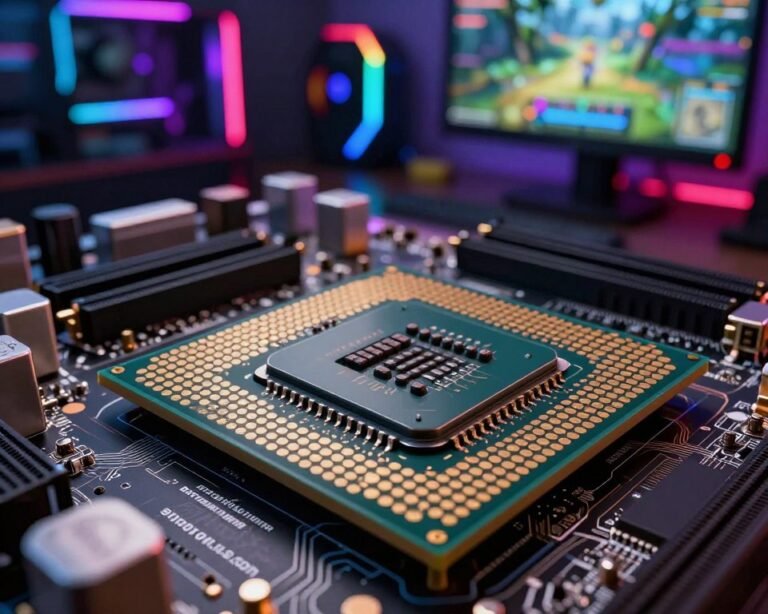
The processor is your computer’s brain. You don’t need the most expensive one to get great results. Look at entry-level chips from AMD and Intel for gaming and multitasking. These options give stable speeds for modern software and keep costs down.
Graphic Cards: Affordable Performance
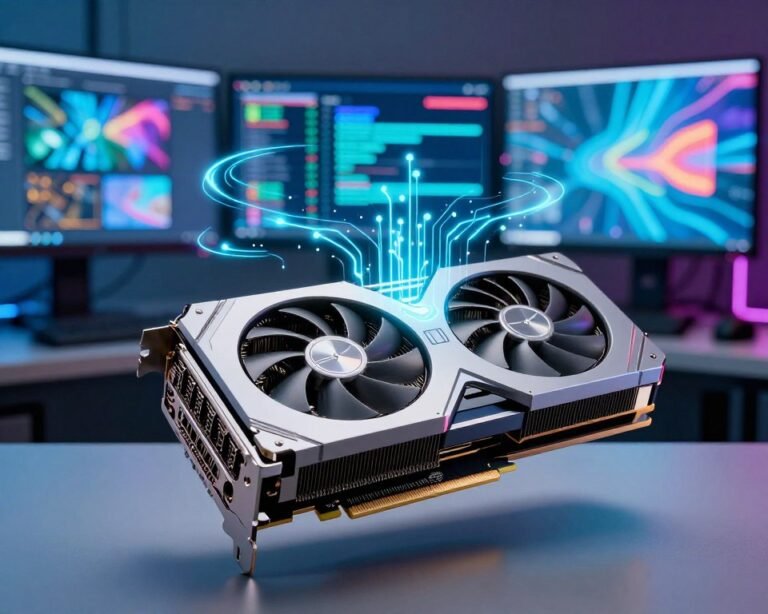
Finding a graphics card that’s both affordable and high performance is key. We suggest mid-range cards that offer smooth frame rates for popular games without the high cost. This ensures your hardware stays up-to-date for years.
Cost-Effective Motherboards
A good motherboard is vital for smooth system performance. Look for boards with solid power delivery and enough ports. We focus on boards that are both reliable and affordable.
| Component Type | Recommended Series | Key Benefit |
|---|---|---|
| Processor | Intel Core i3 / AMD Ryzen 5 | High Efficiency |
| Graphics Card | NVIDIA RTX 3050 / AMD RX 6600 | Great Value |
| Motherboard | B660 / B550 Chipsets | Reliable Stability |
Building the Ideal Budget PC
Building your own custom PC is a rewarding journey. It starts with the right preparation. When you build a cheap PC, you save money and learn valuable skills. Take your time to ensure each component is handled with care.
Essential Tools for Building
Before starting, gather the right tools for a smooth and safe process. A magnetic screwdriver is key to prevent screws from falling. Also, an anti-static wrist strap protects your hardware from electrical discharge.
Having a clean, well-lit workspace helps you stay organized. Keep components in their boxes until installation to avoid damage. Use zip ties to keep your internal layout tidy.
Step-by-Step Assembly Guide
The assembly of a cheap PC starts with the motherboard. Install your processor and memory on the board on a non-conductive surface. Then, mount the motherboard into your case and connect the power supply cables.
Double-check that RAM sticks and graphics card are fully seated. You should hear a click when they are locked. Connect your storage drives and perform a quick test boot before closing the side panel.
Common Mistakes to Avoid
Even experienced builders make mistakes when building a cheap PC. Poor cable management can restrict airflow and cause overheating. Route your wires behind the motherboard tray to keep the main chamber clear.
Another common mistake is not removing the plastic film from your CPU cooler or thermal paste. Always check component compatibility before installation. If something feels too tight, stop and check the manual for correct orientation.
| Build Phase | Primary Focus | Key Tool |
|---|---|---|
| Preparation | Workspace Setup | Anti-static Strap |
| Installation | Component Seating | Magnetic Screwdriver |
| Management | Airflow Optimization | Cable Ties |
| Verification | System Stability | Diagnostic Software |
Real-Life Success Stories
Every budget build has a unique story of creativity and skill. Our readers show amazing ingenuity when they build their machines with hardware.
Community Member Builds
One user built a top-notch gaming rig for under $600. They focused on key hardware like the CPU and GPU. This made their system handle modern games smoothly.
This builder showed that a big budget isn’t needed for impressive results. Their success shows how smart shopping and patience can lead to a powerful computer, even when it’s cheaper than others.
Unique Ideas from Our Users
Many of you face challenges like limited desk space or specific looks. We’ve seen users turn old cases into modern hardware homes. This mix of old and new looks amazing.
Others have found smart ways to manage cables in small builds. These creative solutions prove that limits can spark the most innovative ideas in PC building.
We want you to keep sharing your projects. Your stories give practical inspiration to others. They help them start their own custom machine journey.
Tips for Saving on PC Building
We think smart shopping is key for every PC builder. It’s not just about finding the cheapest parts. It’s about being patient, doing your research, and timing your purchases right to get the best value.
Shopping for Discounts and Deals
Scoring discounts on components is a skill worth learning. Use price-tracking tools to watch part prices. This way, you know when a deal is real. Set up alerts to buy when prices fall.
Where you shop is as important as what you buy. Here are some ways to find better deals:
- Look for open-box or refurbished items on trusted online marketplaces.
- Subscribe to newsletters from big tech stores for special coupons.
- Compare prices on different sites to find the best deal.
- Watch for bundle deals that save you money on a motherboard and processor.
Choosing the Right Time to Buy
Timing is everything in the tech world. Prices change with new product releases and industry trends. If you can wait, big sales events like Black Friday or Prime Day offer great savings.
But, be careful not to buy during high demand times. Prices go up when everyone wants something. Strategic planning helps you avoid overpaying for your build.
Stay patient and don’t rush into buying. Saving money is a long-term game. Your wallet will appreciate it when you turn on your new PC.
Evaluating Performance on a Budget
Measuring performance is more than just looking at specs. We believe in transparency when choosing parts for your computer. By testing ourselves, we make sure you get the best value for your money.
Benchmarks: How We Measure Success
We use industry-standard software to track hardware output. We run these tests many times to account for variables. This rigorous approach helps us set a baseline for what you can expect.
Our testing suite focuses on synthetic benchmarks. These tests push the CPU and GPU to their limits. This gives us a clear, objective look at your system’s raw performance.
Real-World Performance Tests
Numbers on a screen only tell part of the story. We also test in real gaming scenarios. We test popular titles at various resolutions to see how the system handles.
Beyond gaming, we check how these builds handle multitasking and creative workloads. We look for smooth processing speeds when editing videos or running multiple apps at once. Our goal is to ensure your budget system delivers reliable results without sacrificing speed or stability.
Engaging with Our Community
We invite you to join our vibrant community of PC enthusiasts. Building a computer can feel like a solo task. But, we believe that together, we can solve any problem. By connecting with us, you tap into a wealth of experience.
Join the Conversation on Social Media
Our social media channels are where the action happens. Follow us to keep up with the latest tech and community news. Engaging with fellow enthusiasts lets you ask questions and get quick answers.
Whether you’re new or experienced, your input matters. We cherish every voice and look forward to your contributions.
Share Your Build with Us!
Join our Community Spotlight by sharing your build stories and photos. Your posts help others by providing valuable User Reviews. Your insights can save time and money for others.
Sharing your work is easy and rewarding. We love seeing how you make your rigs unique. Check out the table below to see how you help the community.
| Engagement Type | Primary Benefit | Community Impact |
|---|---|---|
| Community Spotlight | Showcase your hard work | Inspires new builders |
| User Review | Share honest feedback | Improves buying decisions |
| Social Interaction | Build lasting connections | Expands collective knowledge |
How Can a Budget Build Compete with a $1000 Setup?
A budget build can effectively compete with a $1000 setup by focusing on value and efficiency. By leveraging a community audit for balanced setup evaluation, enthusiasts can identify cost-effective components that deliver performance without overspending. This approach fosters creativity and maximizes available resources, allowing for a robust yet economical gaming experience.
Conclusion and Future Builds
Building a PC is all about patience and finding great deals. We hope this guide helps you create a powerful machine without spending too much.
Your journey in custom hardware is just starting. We’re here to help you find the best deals and performance for your next project.
Upcoming Hardware Trends
We’re excited to dive into new tech from AMD and NVIDIA soon. These updates will change budget gaming forever.
Stay with us as we explore how these innovations save you money without losing speed. Get ready for in-depth looks at the latest processors and graphics cards.
Join Our Community Event
Join our community showcase and show off your unique builds. It’s a chance to share your tips with other enthusiasts.
Your input makes our resource better for builders everywhere. We can’t wait to see your creative builds and hear about your latest wins.
FAQ
Why should we consider building a Cheap PC instead of buying a pre-built system?
Building our own PC lets us choose every part. We can pick from brands like AMD or Intel. This way, we avoid paying for things we don’t need, saving money.
It also teaches us how to upgrade or fix our system later. This knowledge is very valuable.
Which components currently offer the best balance of price and Performance?
For a good balance, look at processors like the AMD Ryzen 5 5600 or the Intel Core i3-13100F. Pair these with a budget GPU like the NVIDIA GeForce RTX 3050 or the AMD Radeon RX 6600.
This combo gives us a great gaming experience without spending a lot.
What tools do we need to successfully assemble our first budget build?
You don’t need a lot to build a Cheap PC. A magnetic Phillips-head screwdriver and an anti-static wrist strap are enough. Also, have cable ties ready for organization.
This keeps our system cool and tidy.
How can we stay informed about the best times for Saving Money on parts?
Use tools like PCPartPicker or CamelCamelCamel to track prices. Watch for sales like Black Friday or Prime Day. This way, we can get parts at a discount, keeping our budget in check.
How do we know if a specific budget build will meet our gaming needs?
We test our builds with benchmarks like Cinebench and real-world tests in games. This shows us what Performance to expect. So, we know what we’re getting before we start.
Can we contribute a User Review or share our own custom build with the community?
Yes, we encourage you to share! We love hearing from readers about their systems. Share your build and photos on our social media or through our community form.
This inspires others to build their own Cheap PC.