5 Clear Signs Your CPU Is Limiting PC Performance
When your system feels slower than it should, the CPU is often the silent culprit. You don’t always notice it immediately—until games stutter, apps drag, or tasks take longer than they should. If you’ve been upgrading other components without seeing real improvement, your processor might be holding the entire PC back.
Here are the signs every builder should know.
1. Your GPU Usage Drops While Your CPU Pegs at 100%
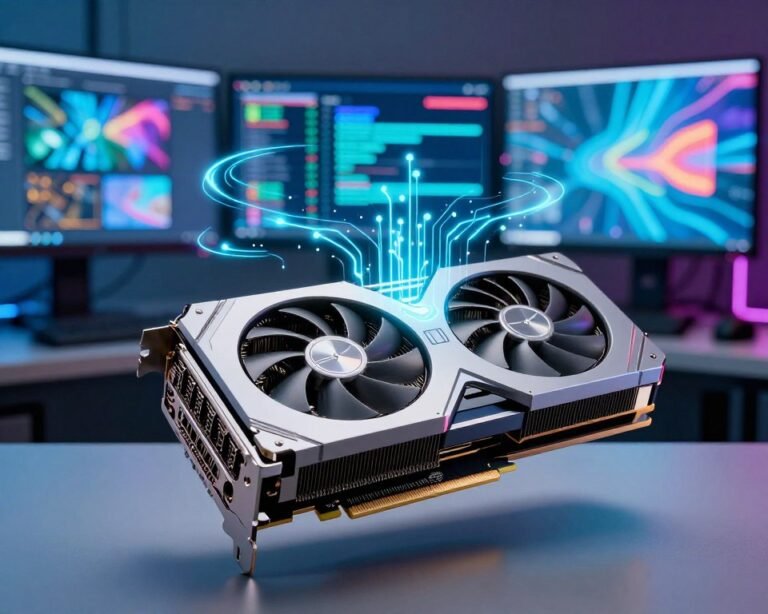
If you ever check performance during gaming and spot your CPU maxed out while your GPU hangs around 40–70%, that imbalance is a classic bottleneck. Your graphics card is waiting on the processor to feed it data, and that gap translates directly into frame dips, slow rendering, and inconsistent performance.
When a stronger GPU still can’t deliver smooth results, your CPU is almost always the reason.
2. You Get Good Average FPS but Terrible Frame Drops
A lot of new builders only look at average FPS, but the real story is in frame pacing. If you see:
- Random stutters
- Sudden FPS dips
- Micro-freezes in open-world games
…your CPU is struggling to keep up with scene complexity. Modern titles rely heavily on strong single-core performance, and older or entry-level processors simply can’t push consistent frame times.
This is the kind of issue no graphics upgrade can fix.
3. Background Tasks Slow Everything Down
If simple tasks like file extraction, browser tabs, or Windows updates cause the whole system to feel sluggish, your processor’s core count or architecture is falling short. A healthy CPU handles multitasking without dragging the system down.
When everyday workloads feel heavier than they should, you’re working with limited headroom.
4. Your System Takes Too Long to Load or Process Heavy Tasks
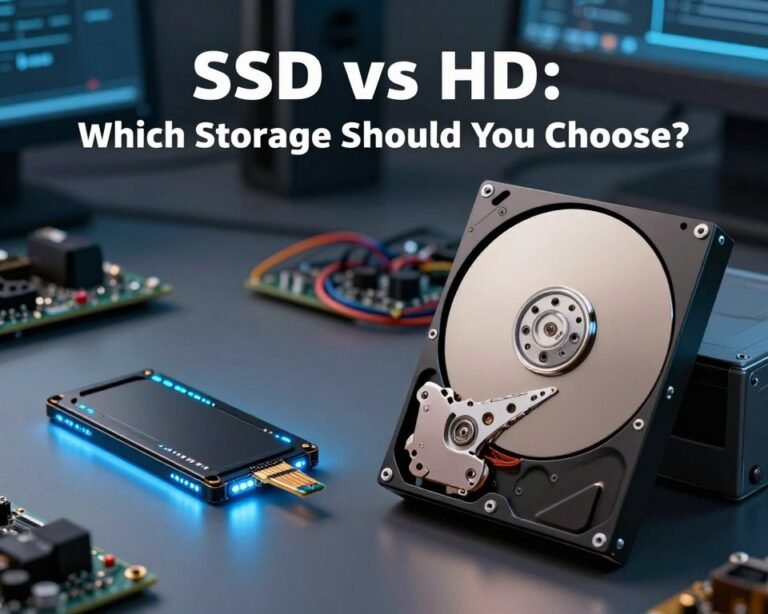
Slow rendering, long compile times, and choppy editing timelines often point directly to CPU limitations. Even with fast SSDs and plenty of RAM, a weak processor becomes the choke point in productivity apps.
If you upgrade storage and memory but performance barely improves, you’re hitting a CPU wall.
5. You Upgraded Other Components—and Nothing Changed
This is the sign most builders overlook. You added:
- Faster RAM
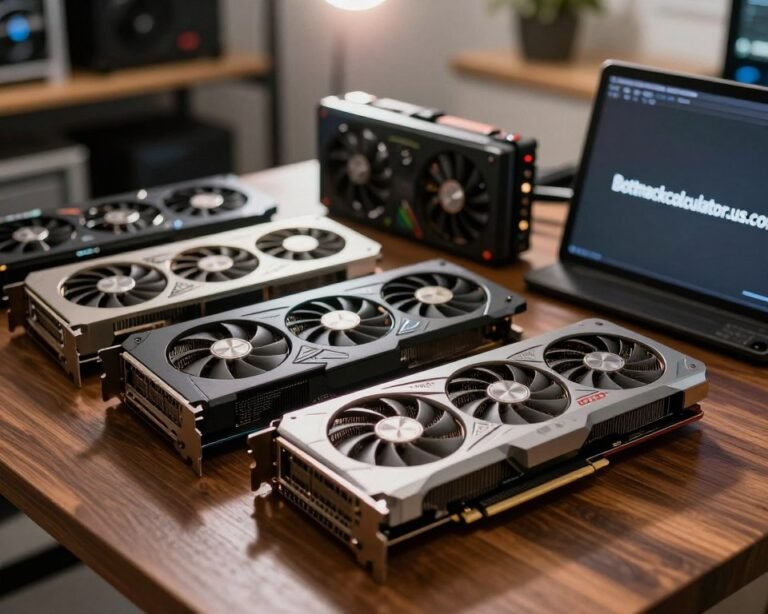
- A better GPU
- A new SSD
…but your performance barely moved. That’s the hallmark of a CPU that has already reached its limit. When the processor can’t keep pace, everything else you upgrade loses potential.
It’s the easiest way to identify that your next upgrade shouldn’t be another peripheral—it should be the CPU itself.
Final Thoughts
Understanding CPU bottlenecks isn’t about being a hardware expert—it’s about knowing why your system feels slower than its specs suggest. Once you recognize the symptoms, you can make smarter upgrade decisions and get the performance you actually paid for.
If your GPU is underperforming, your system stutters under load, or your tasks take longer than they should, your processor is probably the part holding everything back. Fixing that bottleneck is often the upgrade that transforms your entire PC experience.