
You know that feeling when your brand new PC starts acting like it’s running through mud? Fresh Windows install, decent hardware, but somehow your system is using 6 GB of RAM just sitting at the desktop. Background processes you never asked for are eating your CPU cycles. Your RTX 5090 or Ryzen 9 9950X setup should feel like a rocket, but Windows has other plans.
Here’s the reality. Windows 13 ships with dozens of services running in the background. Many of them you’ll never use. Some actively slow your system down. Others create security risks you don’t need. Microsoft bundles everything hoping you’ll use their ecosystem, but most of us just want a fast, clean machine.
I learned this the hard way last year. Built a new rig with a Ryzen 9 9900X and 64 GB of DDR5. System felt sluggish during gaming sessions. Checked task manager and found 130 processes running at idle. Half of them were Windows services I didn’t recognize. After two weeks of testing what could be disabled safely, my system breathed again. Frame times smoothed out. Boot time dropped from 45 seconds to 12.
This guide walks you through exactly which Windows 13 services you can disable without breaking anything important. No fluff about “optimizing your experience.” Just concrete steps to reclaim your system resources and get the performance you paid for. By the end, you’ll know which services are safe to kill, which ones you need to keep running, and how to adjust settings for maximum performance without sacrificing stability.
Why Windows 13 Feels Bloated Right Out of the Box
Windows 13 comes loaded with features most people never touch. Think of it like buying a car that comes with every possible option installed. Heated steering wheel, massage seats, ambient lighting. Sounds great until you realize you’re paying for features you don’t use, and they’re adding weight that hurts performance.
Microsoft builds Windows for everyone. The average office worker who needs OneDrive sync. The casual user who wants Cortana assistance. The enterprise client running domain services. Problem is, you’re probably none of those things. You’re a gamer, enthusiast, or power user who just wants raw performance.
Every service Windows runs uses system resources. Some are tiny. Others consume significant CPU cycles and memory. When you stack 50 unnecessary services together, the impact becomes real. Your system performance takes a hit. System balance matters more than raw specs, and software bloat throws that balance off.
The biggest culprits are telemetry services. Windows loves collecting data about how you use your system. Diagnostic tracking runs constantly. Usage data gets sent to Microsoft servers. None of this helps your performance. It’s pure overhead.
Then there are the “helper” services. Windows Search indexes every file on your drive. Superfetch tries to predict what you’ll open next. These might help someone, but they hurt more than they help on modern SSDs with fast CPUs. Your Ryzen 9 9950X doesn’t need Windows guessing what to preload into RAM.
Before You Start Disabling Services: Check if your hardware is actually the bottleneck. Software optimization helps, but if your CPU is paired with a weak GPU or vice versa, you might have a hardware bottleneck that no amount of Windows tweaking will fix. Knowing where your real limitations are saves time and frustration.
Background apps are another problem. Windows 13 lets apps run in the background even when closed. Mail sync, calendar updates, notification checks. Most of these apps you opened once and forgot about. They’re still running, using your resources.
The goal isn’t to strip Windows down to bare bones. You need core services for stability. But you can safely disable 30-40% of what ships enabled by default. The difference in system performance is noticeable, especially on older hardware or during heavy workloads like gaming or content creation.
Understanding Services vs. Processes (And Why It Matters)
Before you start disabling things, you need to understand what you’re looking at. Windows has two main types of background activity: services and processes. They’re different, and mixing them up can break your system.
Services are programs that run in the background regardless of whether you’re logged in. They start when Windows boots. They handle system-level tasks like networking, audio, and device drivers. Services don’t have windows or interfaces you interact with. They just run quietly doing their job.
Processes are programs you actually use. Your browser, game, or video editor. Each program creates one or more processes visible in Task Manager. When you close the program, the process ends. Simple enough.
How to Access Windows Services
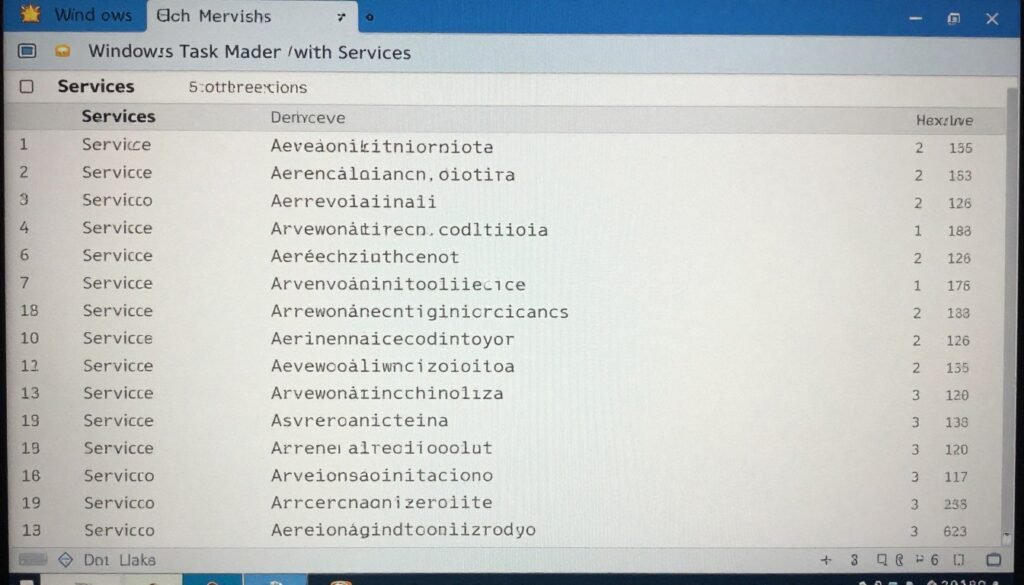
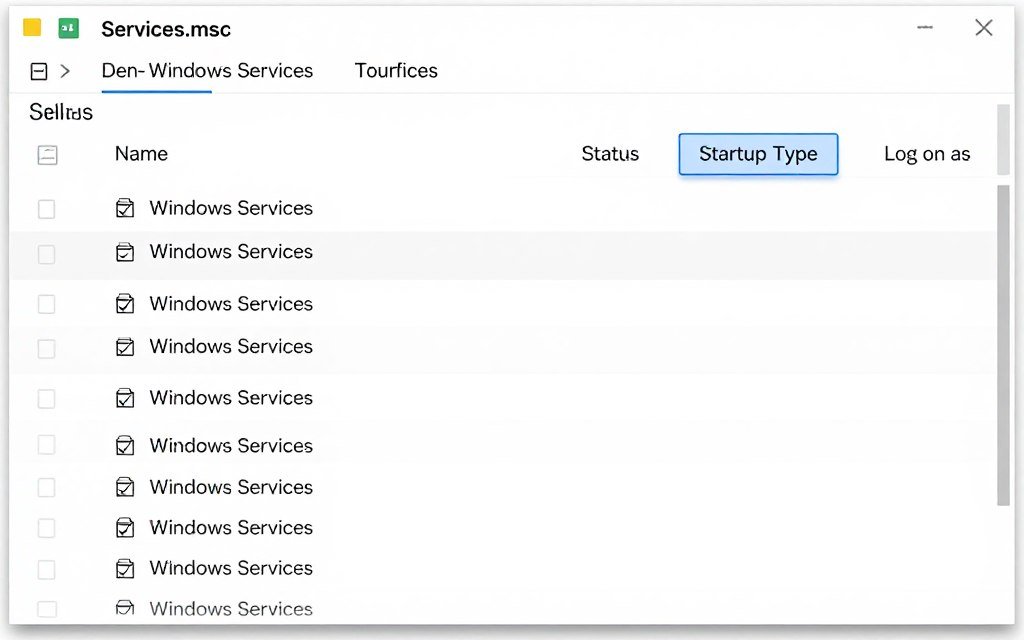
Open the Start menu and type “services” into the search box. Click “Services” when it appears. This opens the services management console where all the magic happens. You’ll see a long list of services, their current status, and startup type.
Each service has a startup type. “Automatic” means it starts with Windows. “Manual” means it starts when needed by another program or service. “Disabled” means it never starts. Most of what we’ll adjust involves changing services from Automatic to Manual or Disabled.
The risk with disabling services is dependencies. Some services rely on other services to function. Disable the wrong one and you might break something seemingly unrelated. That’s why knowing what each service does matters. You can’t just randomly disable things and hope for the best.
Safe Services to Disable
- Xbox services (if you don’t use Xbox features)
- Windows Search (if you don’t search files often)
- Print Spooler (if you don’t use printers)
- Remote Desktop services (if you don’t remote in)
- Bluetooth services (if you don’t use Bluetooth)
Critical Services to Keep Running
- Windows Audio (controls all system sound)
- Network services (handles internet connection)
- Windows Update (keeps system secure)
- Plug and Play (manages hardware detection)
- Base Filtering Engine (required for firewall)
Task Manager shows you resource usage per service. Open Task Manager, go to the Services tab, and sort by CPU or memory usage. This shows which services are actually consuming resources right now. If a service uses zero resources, it’s probably safe to leave alone even if enabled. Focus on the ones actively using your CPU or RAM.
One more thing. Some services are required for other programs you use. Gaming services like Easy Anti-Cheat or BattlEye run as Windows services. Disable those and your games won’t launch. Always research what a service does before touching it.
Telemetry and Privacy Services You Can Kill Right Now
Windows 13 loves collecting data about you. Usage patterns, app crashes, search queries, typing habits. Microsoft claims it’s for improving Windows, but you probably don’t care about that. You care about your system running fast and your privacy staying intact.
Connected User Experiences and Telemetry is the main culprit. This service sends diagnostic and usage data to Microsoft constantly. It runs background tasks that analyze what you do on your PC. Disable it and you lose nothing except Microsoft knowing your business.
Here’s how to kill it. Open Services, scroll down to “Connected User Experiences and Telemetry,” right-click, select Properties. Change Startup type to Disabled. Click Stop to kill it immediately. Click Apply and OK. Done.
Diagnostic Services That Waste Resources
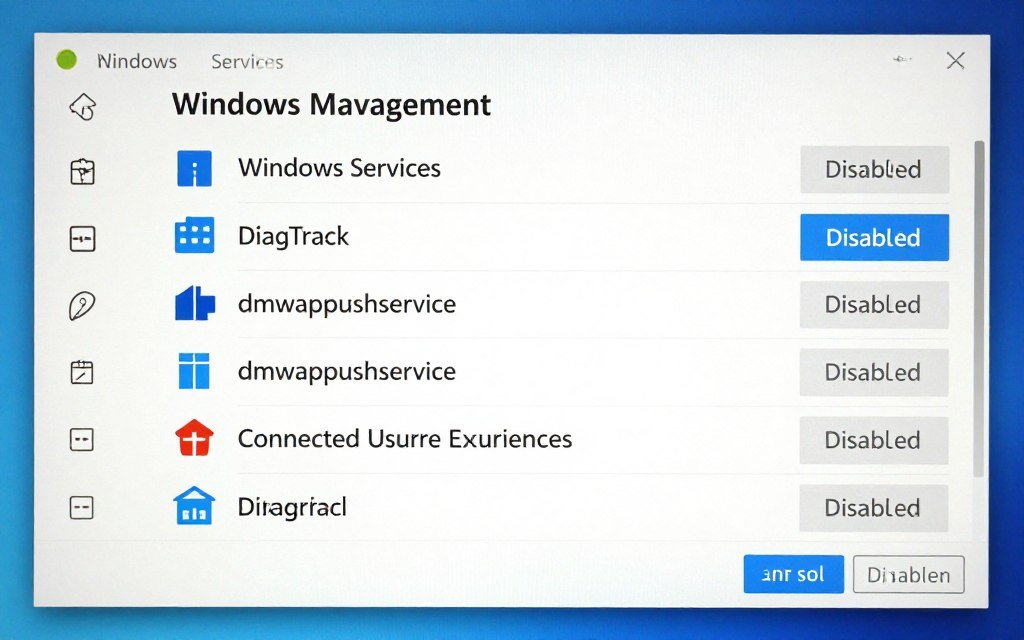
Diagnostic Execution Service and Diagnostic Policy Service work together to troubleshoot problems. Sounds useful except they run constantly even when nothing’s broken. They use CPU cycles analyzing logs and generating reports you’ll never read.
Set both to Manual instead of Disabled. This way they’re available if you actually need troubleshooting, but they won’t run all the time eating resources. Manual means they start when needed and stop when done. Best of both worlds.
dmwappushservice handles push notifications for Windows apps. Unless you’re heavily invested in Windows Store apps that need real-time notifications, you don’t need this. It’s another background service checking servers constantly. Disable it completely.
- Connected User Experiences and Telemetry – Disable
- Diagnostic Execution Service – Manual
- Diagnostic Policy Service – Manual
- dmwappushservice – Disable
- Windows Error Reporting Service – Manual
- DiagTrack (if present) – Disable
Windows Error Reporting collects crash data and sends it to Microsoft. Every time a program crashes, this service analyzes the crash, creates a report, and uploads it. Set it to Manual so it only runs after actual crashes rather than sitting idle using memory.
Some people worry that disabling these services breaks Windows Update or causes stability issues. That’s not true. Windows Update has its own service. System stability doesn’t depend on Microsoft collecting your data. I’ve run dozens of systems with telemetry disabled for years. Zero problems.
The performance gain here is modest but real. You’re not going to see 20% more FPS, but you’ll notice lower background CPU usage and less network activity. These services are death by a thousand cuts. Individually small, but together they add up.
Windows Search and Indexing: The RAM Hog Nobody Needs
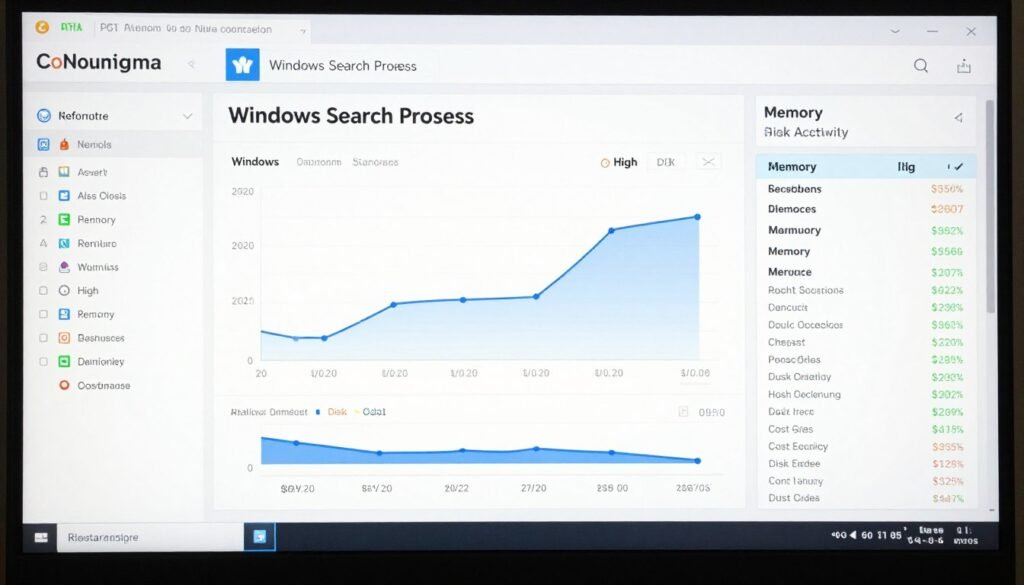
Windows Search is one of the biggest resource wasters on modern systems. It constantly indexes every file on your drives so you can search for files faster. The problem is, it runs constantly in the background, hammering your disk and eating RAM. On older mechanical drives, it causes noticeable slowdowns. Even on SSDs, it’s unnecessary overhead.
Modern SSDs are fast enough that searching files without an index takes seconds anyway. You don’t need Windows maintaining a massive database of every file on your system. The index file itself can grow to several gigabytes. That’s wasted space and wasted resources maintaining it.
To disable Windows Search, open Services and find “Windows Search.” Right-click, Properties, set Startup type to Disabled. Stop the service. You’ll still be able to search for files, it’ll just search in real-time instead of using a pre-built index. On an NVMe SSD paired with a modern CPU, the difference is imperceptible.
What You Lose by Disabling Search Indexing
Let’s be honest about the trade-offs. If you regularly search for files by content (not just filename), searches will be slower. If you use the Start menu search heavily to find programs and files, results might take an extra second or two to appear. For most users, this doesn’t matter.
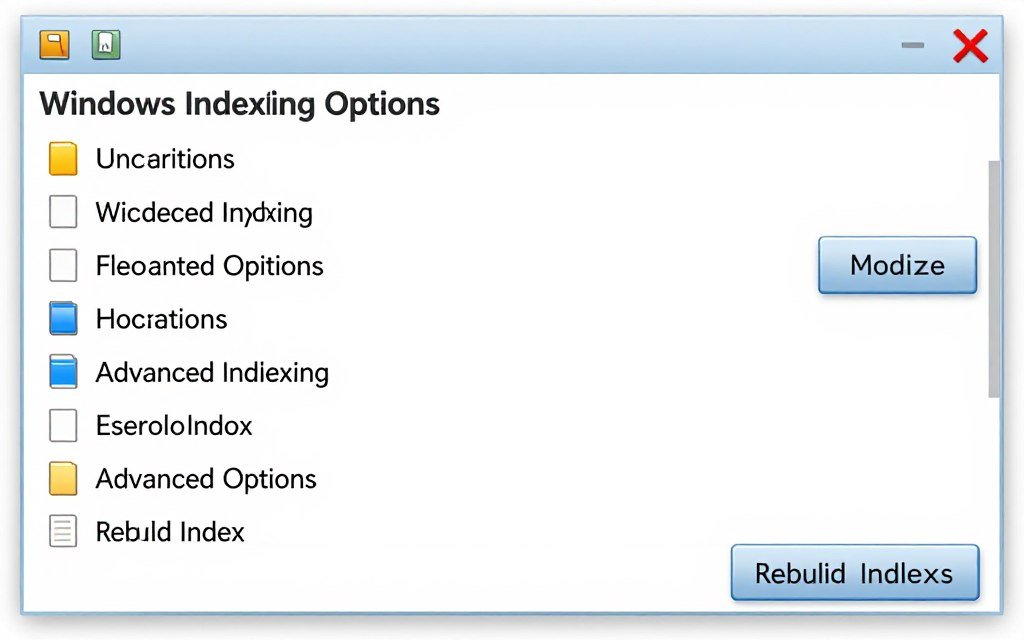
Power users who search constantly might want to keep indexing enabled but limit its scope. Open Indexing Options from Control Panel. Click Modify and uncheck locations you don’t need indexed. Keep your Documents folder indexed if you want, but remove everything else. This reduces the performance impact significantly.
The other casualty is search in Windows apps like Mail and Calendar. These rely on the index for fast searches. If you use these apps heavily, you might want to leave indexing on. If you use Outlook, Gmail in browser, or other non-Windows apps for email, you don’t need it.
SSD Users Take Note: Windows Search on SSDs causes unnecessary write operations that reduce drive lifespan. Modern SSDs last years anyway so it’s not a huge concern, but it’s another reason to disable indexing if you don’t actually need it. Your system balance improves when background services aren’t competing with your actual workloads for disk access.
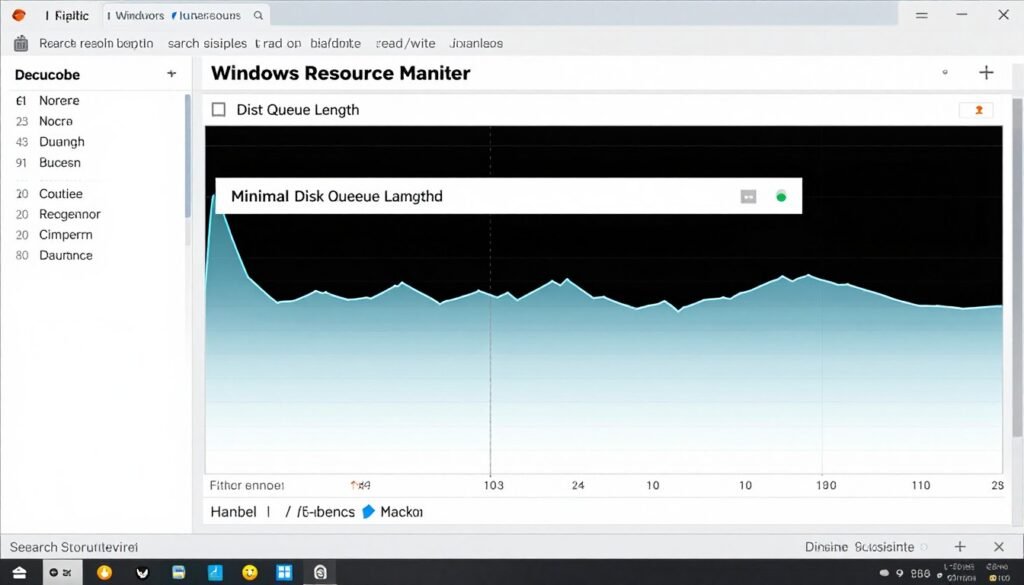
After disabling Windows Search, restart your PC. You should notice faster boot times and lower idle disk activity. Check Task Manager after reboot. You won’t see SearchIndexer.exe running anymore. That process alone typically uses 100-300 MB of RAM and causes random disk activity spikes.
If you change your mind later, just go back to Services, enable Windows Search, start it, and let it rebuild the index. Takes a few hours on a large drive, but it’s completely reversible. Nothing breaks by toggling this on and off.
Gaming and Xbox Services: Only If You Actually Use Them
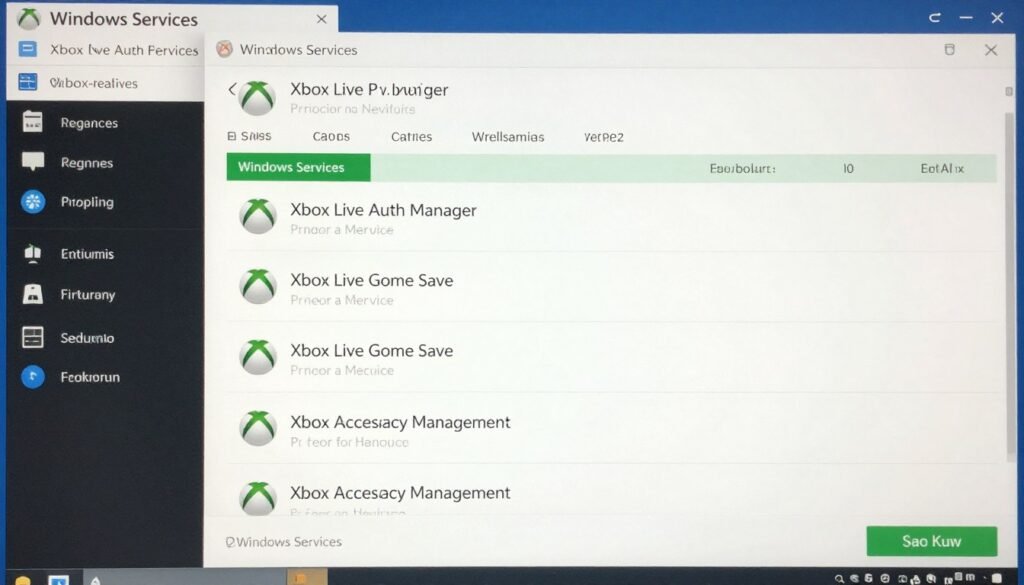
Windows 13 includes a bunch of Xbox-related services whether you use Xbox features or not. Xbox Live Auth Manager, Xbox Live Game Save, Xbox Live Networking Service, Xbox Accessory Management Service. If you don’t use Xbox Game Pass, Xbox Live, or connect Xbox controllers, you don’t need any of these.
Each Xbox service adds overhead. They’re not huge resource hogs individually, but together they use memory and create network connections checking for updates and syncing data. For PC gamers who use Steam, Epic, or other platforms exclusively, they’re pure bloat.
Disable them all if you don’t use Xbox features. Go through Services and set every service with “Xbox” in the name to Disabled. Your games from other platforms will work fine. You’ll save 200-400 MB of RAM depending on which services were running.
What About the Game Bar and Game Mode?
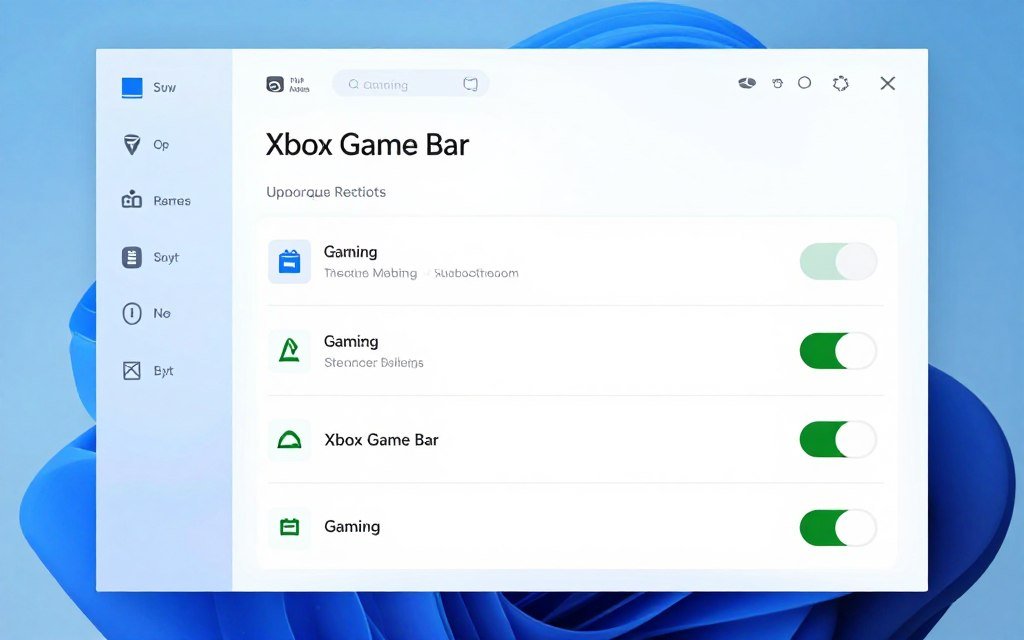
Windows Game Bar is the overlay that pops up when you press Win+G. It shows performance stats, lets you record clips, and access Xbox features. Game Mode is supposed to prioritize games over background tasks. Both have mixed reputations for actually helping performance.
Game Bar definitely uses resources. The overlay runs in the background even when not visible. It monitors your games to enable quick clip recording. If you don’t use these features, disable Game Bar completely. Open Settings, go to Gaming, turn off Game Bar. This disables the overlay and stops related services.
Game Mode is more controversial. In theory, it tells Windows to allocate more resources to your game. In practice, results are mixed. Some games see small FPS gains. Others see no change or even worse performance. Modern systems with 8+ cores don’t benefit much because there are plenty of resources to go around anyway.
Xbox Services to Disable
- Xbox Live Auth Manager
- Xbox Live Game Save
- Xbox Live Networking Service
- Xbox Accessory Management Service
Keep If You Use Xbox Features
- Game Pass downloads and play
- Xbox controller wireless adapter
- Xbox Live multiplayer in Windows games
- Cloud save sync for Xbox Play Anywhere titles
Game Mode Recommendations
- Try enabling for older 4-6 core CPUs
- Disable on 8+ core systems with high-end GPUs
- Test in your specific games – results vary
- Monitor FPS and frame times to verify impact
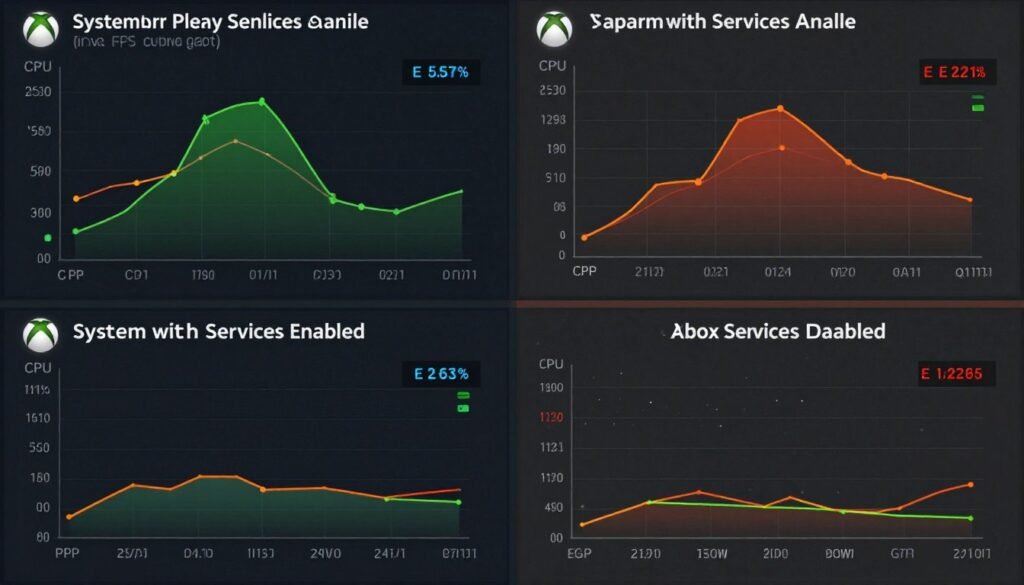
My recommendation: disable all Xbox services if you don’t use Game Pass or Xbox Live. Leave Game Mode on but test your specific games. If you see worse performance with it enabled, turn it off. There’s no universal answer because it depends on your hardware and the games you play.
For competitive gamers on high-end hardware like RTX 5090 builds, you want the absolute minimum background activity. Gaming performance optimization means eliminating anything that might cause frame time variance or input lag. Xbox services aren’t helping you win matches, so kill them.
One exception: if you use an Xbox Wireless Adapter for your controller, keep Xbox Accessory Management Service enabled. Without it, the wireless adapter won’t work. Everything else can still be disabled.
Network and Sharing Services Most People Don’t Need
Windows includes network services designed for corporate environments and home networks with file sharing. Most home users don’t need these. They create potential security holes and use system resources for features you’ll never touch.
HomeGroup services are the first to kill. Microsoft actually removed HomeGroup in newer Windows versions, but some services related to it might still exist depending on your install. HomeGroup Listener and HomeGroup Provider can be disabled completely. These were for sharing files and printers on home networks the old way.
Remote Desktop Services let you connect to your PC from another location. Unless you actually remote into your machine from work or while traveling, you don’t need these running. Remote Desktop Configuration and Remote Desktop Services can both be disabled. This also closes potential security vulnerabilities.
Network Discovery and File Sharing
Network Discovery broadcasts your PC’s presence to other devices on your network. File and Printer Sharing lets other devices access your files. Both are useful on home or office networks where you share files between computers. If you never access your PC from other devices, disable both.
Open Settings, go to Network & Internet, click Advanced sharing settings. Turn off network discovery and file sharing for all network profiles (Private, Guest, Public). This stops related background services from running and improves security by making your PC invisible to other network devices.
Function Discovery services help devices find each other on networks. There are two: Function Discovery Provider Host and Function Discovery Resource Publication. Unless you’re on a corporate network using network printers and shared resources, set both to Manual. They’ll start if needed but won’t run constantly.
- HomeGroup services – Disable (if present)
- Remote Desktop Configuration – Disable
- Remote Desktop Services – Disable
- Function Discovery services – Manual
- SSDP Discovery – Disable (unless you use UPnP devices)
- UPnP Device Host – Disable (unless you use UPnP devices)
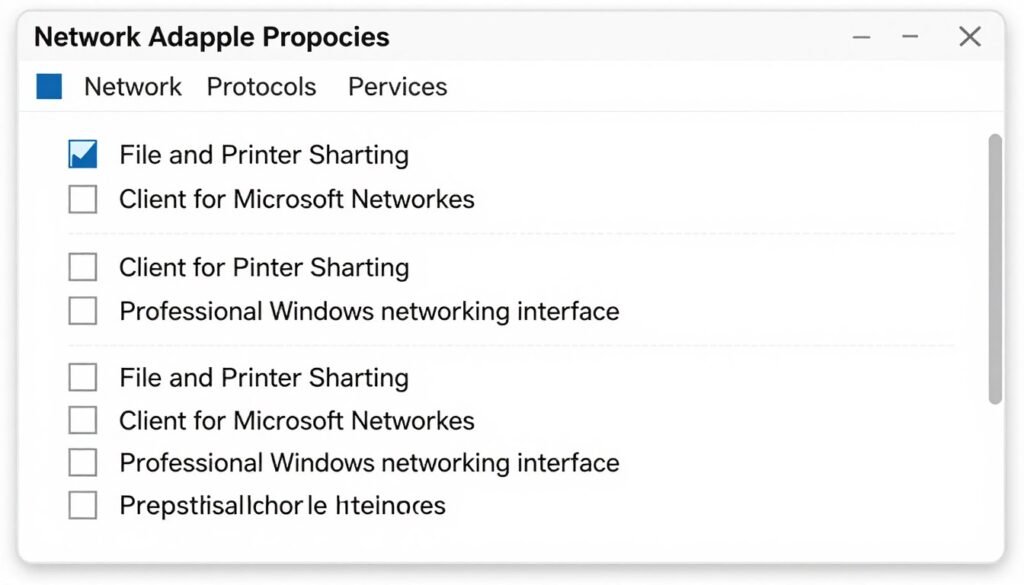
SSDP Discovery and UPnP Device Host enable automatic device discovery. Smart TVs, printers, media servers use these protocols to appear on your network automatically. If you manually configure devices by IP address or don’t use these features, disable both services. This reduces network traffic and potential security risks from UPnP exploits.
One service to leave alone is DNS Client. This caches DNS lookups so websites load faster. Disabling it means every web request requires a fresh DNS query, slowing down browsing. Keep DNS Client running on Automatic.
Windows also includes services for older network protocols like NetBIOS. NetBIOS over TCP/IP helps old Windows versions communicate on networks. Modern Windows doesn’t need it. You can disable NetBIOS in network adapter advanced settings if you’re on a home network with no legacy devices.
Important: Don’t disable core network services like Network List Service, Network Location Awareness, or DHCP Client. These are essential for basic internet connectivity. If you break these, you’ll lose network access entirely and need to restore from backup or reset Windows. Stick to disabling the sharing and discovery services listed above.
After adjusting network services, test your internet connection and access to any network devices you actually use. If something breaks, re-enable services one at a time until you find the culprit. Most likely everything will work fine with these changes.
Adjust Visual Effects for Best Performance
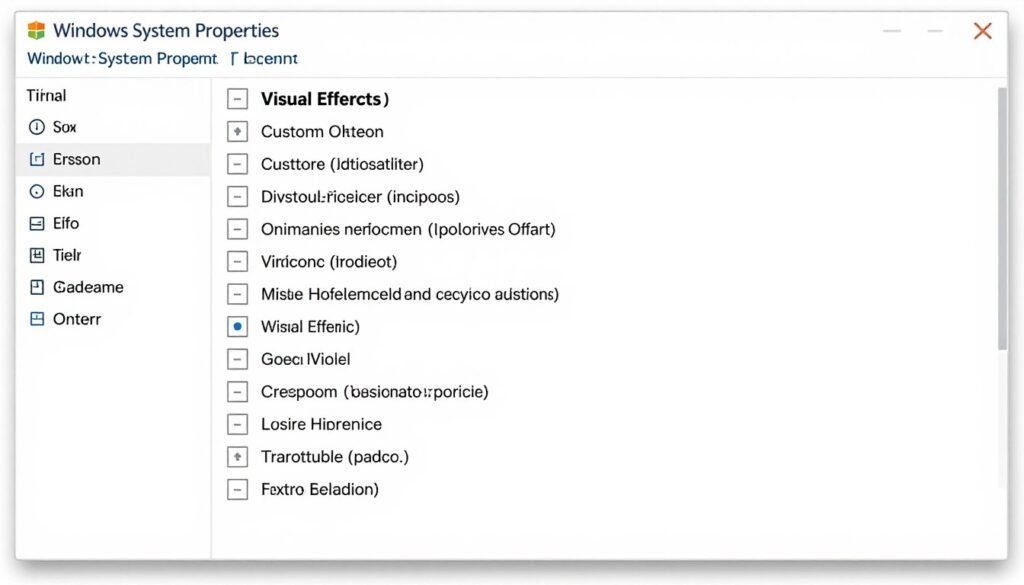
Windows 13 includes visual effects like animations, shadows, and transparency. They look nice but use GPU resources and can cause stuttering on lower-end systems. Adjusting these settings doesn’t involve disabling services, but it’s part of Windows optimization so it belongs here.
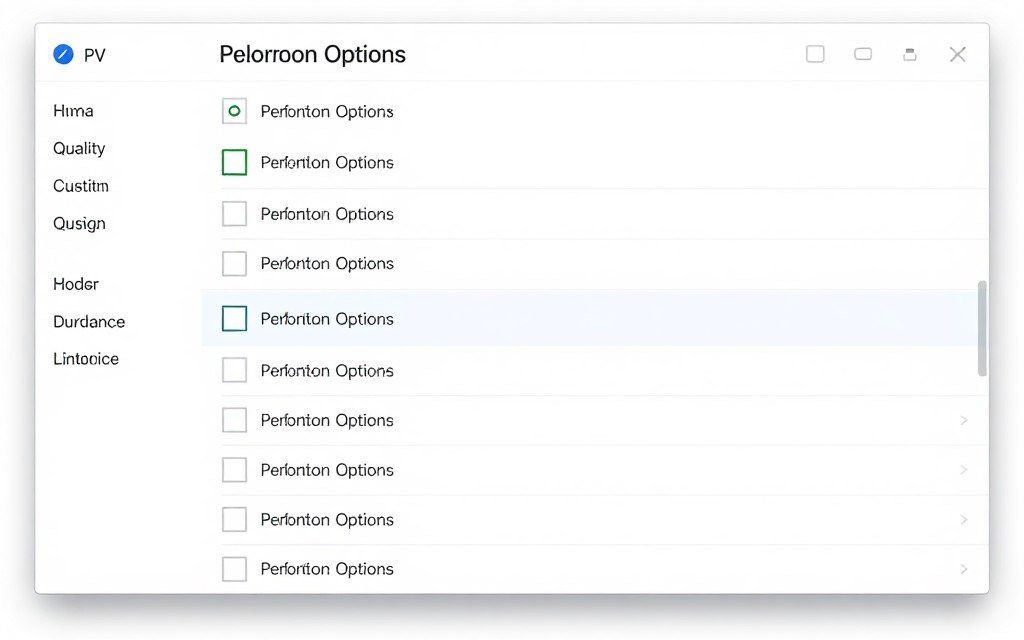
Right-click This PC, select Properties, click Advanced system settings, go to the Advanced tab, click Settings under Performance. This opens Performance Options where you can adjust visual effects. You’ll see a list of checkboxes for different visual features.
The “Adjust for best performance” option disables everything. Your Windows will look like it’s from 2001. The opposite extreme is “Adjust for best appearance” which enables all effects. Neither is ideal. Choose “Custom” and manually select what to keep.
Which Visual Effects Actually Matter
Some effects are purely cosmetic with minimal performance impact. Others use significant resources, especially on lower-end GPUs. Here’s what to keep and what to ditch for maximum performance without making Windows look terrible.
Keep these enabled: “Show thumbnails instead of icons” makes file browsing usable. “Smooth edges of screen fonts” prevents ugly jagged text. “Show window contents while dragging” lets you see what you’re moving. Everything else is optional based on your preferences and hardware.
Disable these for best performance: All the animations like “Animate windows when minimizing and maximizing,” “Animations in the taskbar,” “Fade or slide menus into view.” Also disable “Show shadows under windows,” “Slide open combo boxes,” “Use drop shadows for icon labels on the desktop.” These eat GPU cycles for zero functional benefit.
Keep Enabled
- Show thumbnails instead of icons
- Smooth edges of screen fonts
- Show window contents while dragging
- Enable Peek (if you use it)
Disable for Performance
- Animate windows when minimizing/maximizing
- Animations in the taskbar
- Fade or slide menus into view
- Show shadows under windows
- Transparency effects
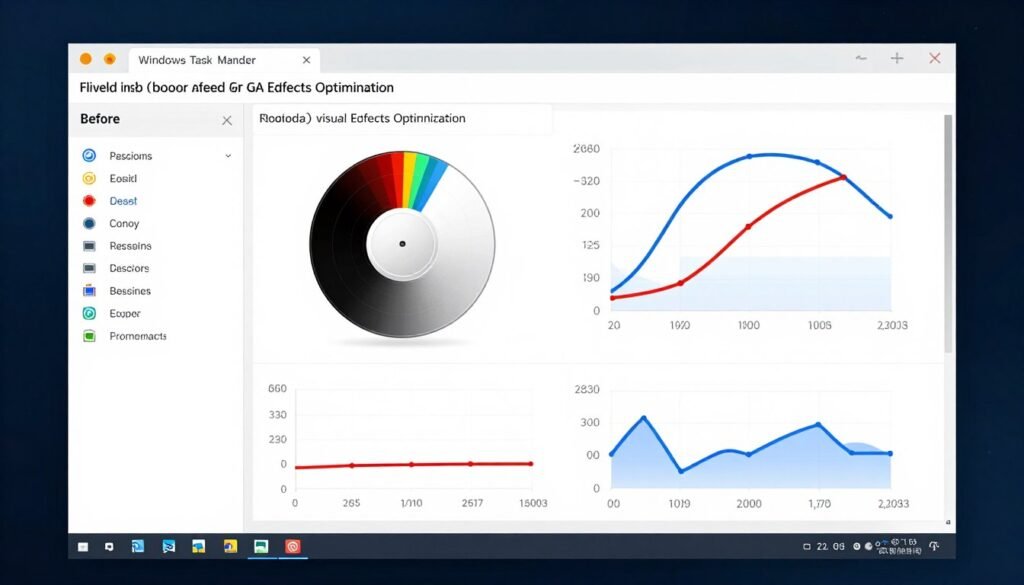
Transparency effects deserve special mention. Windows uses transparency in the Start menu, taskbar, and window borders. It looks modern but uses GPU resources constantly rendering transparent elements. On integrated graphics or older GPUs, disable transparency. On discrete GPUs like RTX 5090, it’s negligible, but you can still disable it if you prefer the performance.
To disable transparency, open Settings, go to Personalization, click Colors, toggle off “Transparency effects.” This stops Windows from using GPU resources for transparent UI elements. You’ll notice smoother UI responsiveness on lower-end systems.
After adjusting visual effects, restart Windows. The changes take effect immediately for most settings, but a restart ensures everything applies properly. You should notice snappier window management and lower GPU usage in Task Manager when just using the desktop.
For gaming systems, these visual effects settings matter less because games take over the GPU anyway. The real benefit is during desktop use and light workloads where every bit of GPU power helps. PC optimization is about eliminating waste across your entire system, not just in games.
Startup Programs Running Background Processes You Forgot About
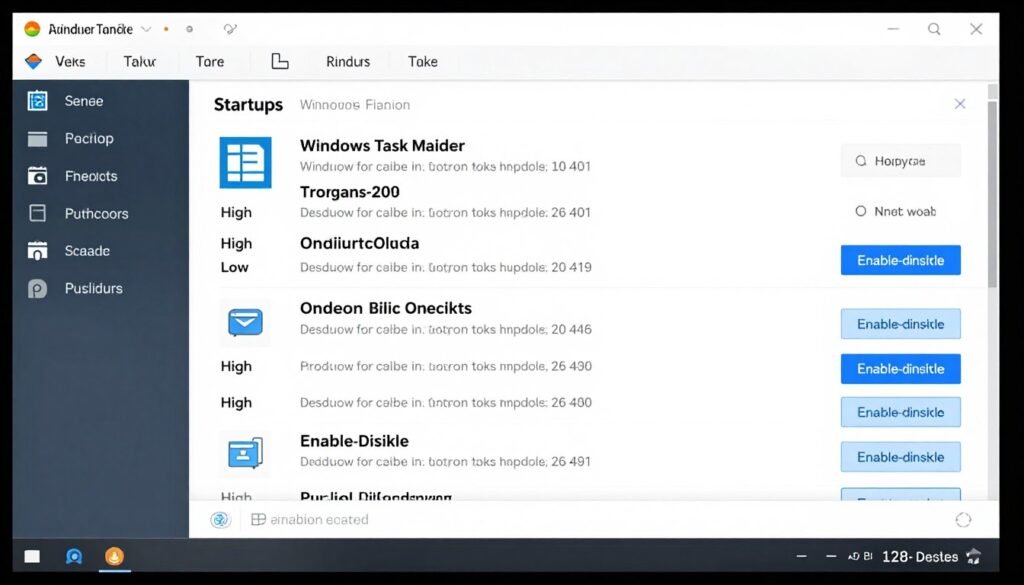
Services aren’t the only things bogging down your system. Startup programs are apps that launch automatically when Windows starts. Many install themselves at startup without asking. They sit in your system tray or run invisibly in the background. Task Manager shows you everything set to start with Windows.
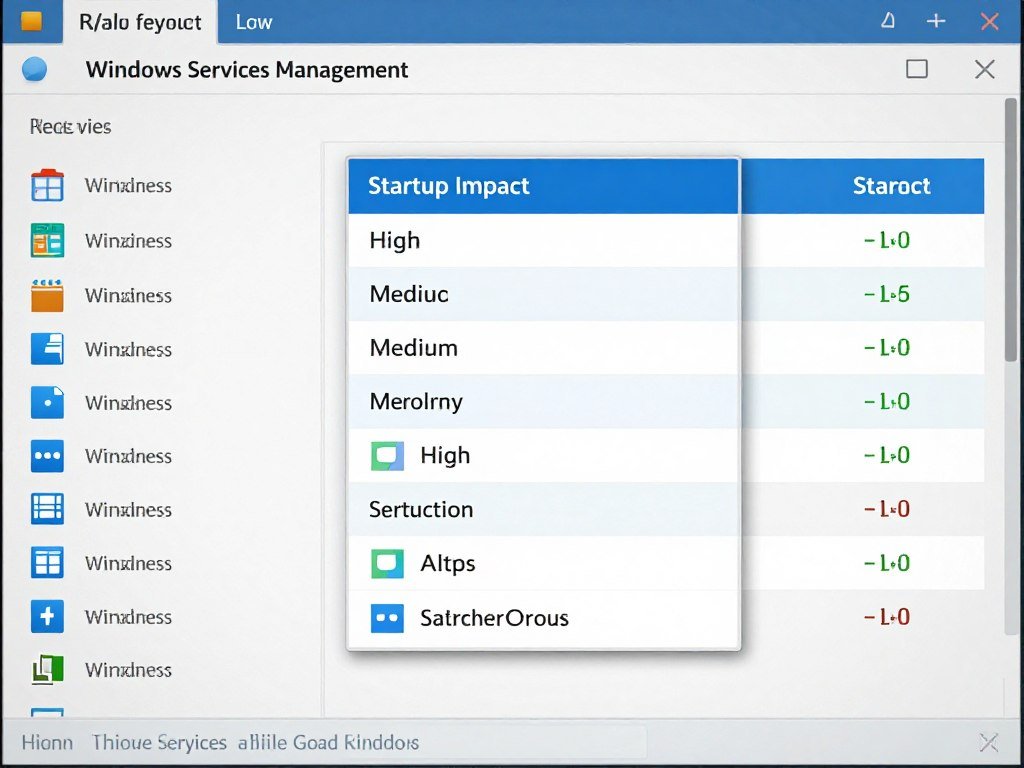
Open Task Manager and go to the Startup tab. You’ll see every program configured to launch at boot. The “Startup impact” column shows whether each program has High, Medium, or Low impact on boot time. Focus on disabling high impact programs you don’t need immediately.
Common startup bloat includes updater programs for Adobe, Java, Apple, Microsoft Office. These check for updates constantly. You don’t need them running all the time. Disable them in Startup and manually check for updates when convenient. The programs still work fine, they just don’t auto-launch.

How to Identify What’s Safe to Disable
If you recognize the program and use it daily, leave it enabled. If you don’t recognize it, Google the program name before disabling. Some startup items are required for hardware like graphics drivers or audio software. Others are pure junk.
Cloud storage sync clients like OneDrive, Dropbox, Google Drive often set themselves to start automatically. If you use these services, leave them. If you disabled the services earlier, disable the startup programs too. They won’t work without their background services anyway.
Gaming platform launchers are another category. Steam, Epic Games Launcher, Battle.net all want to start with Windows. Unless you launch games immediately after booting, disable these. You can manually start them when you want to game. They take 30-60 seconds to load and use 200-500 MB of RAM just sitting idle.
- Updater programs (Adobe, Java, etc.) – Disable
- Cloud storage you don’t use – Disable
- Gaming platform launchers – Disable (start manually)
- Browser helper tools – Disable (unless needed)
- Manufacturer bloatware (HP, Dell, etc.) – Disable
- Communication apps (Discord, Slack) – Keep if used daily
Manufacturer bloatware is particularly bad on pre-built systems. HP, Dell, Lenovo include their own “helper” software that supposedly improves performance or adds features. In reality, these programs slow your system down and duplicate Windows features. Disable all of them. Better yet, uninstall them completely.
After disabling startup programs, reboot and check boot time. You should see faster startup and fewer icons in your system tray. Programs you disabled won’t launch automatically, but they’re still installed and available when you need them. You just start them manually instead of Windows doing it automatically.
Some programs re-enable themselves after updates. Check your Startup tab monthly and disable anything that snuck back in. Software companies love auto-starting their programs, and they’ll re-enable it whenever they can get away with it.
Boot Time Reality Check: Disabling startup programs helps boot time, but if you have an old SATA SSD or mechanical hard drive, your storage is the real bottleneck. Modern NVMe drives boot Windows in 10-15 seconds. Older SSDs take 30-45 seconds regardless of startup programs. Consider upgrading your storage if boot time really matters to you.
Background Apps That Run Even When You’re Not Using Them

Windows 13 lets apps run in the background even after you close them. This feature helps apps stay updated and deliver notifications, but it uses system resources constantly. Mail syncs in the background. Weather updates. News apps pull headlines. Most of these background activities you don’t need.
Open Settings and go to Apps, then Installed apps. Click on any app, select Advanced options if available, and look for “Background app permissions.” You can set each app to Never, Power optimized, or Always. For most apps, choose Never unless you specifically need background functionality.
The Settings app also has a dedicated section for this. Go to Settings, Privacy & security, Background apps. You’ll see a list of all apps allowed to run in background. Toggle off everything you don’t need running constantly. This stops apps from using CPU and network resources when you’re not actively using them.
Which Background Apps Actually Need to Run
Communication apps like Discord, Slack, Microsoft Teams need background access to receive messages and calls. If you use these for work or staying in touch, leave them enabled. Everything else is questionable at best.
Mail and Calendar apps sync in background to show new messages. If you use Windows Mail instead of a browser-based email service, keep background access enabled. If you use Gmail or Outlook in a web browser, disable background access for Mail. It’s just wasting resources syncing an inbox you don’t check there.
Microsoft Store and related apps want background access to update themselves. You don’t need this. Apps can update when you actually launch them. Disable background access for Store, and manually check for updates when convenient.
Keep Background Access
- Communication apps you use daily (Discord, Teams, Slack)
- Security software and antivirus
- Cloud backup services (if running)
- Network monitoring tools
- Password managers with auto-fill
Disable Background Access
- Microsoft Store apps
- News and weather apps
- Social media apps
- Games and entertainment apps
- Productivity apps used occasionally
- Any app you don’t recognize or rarely use
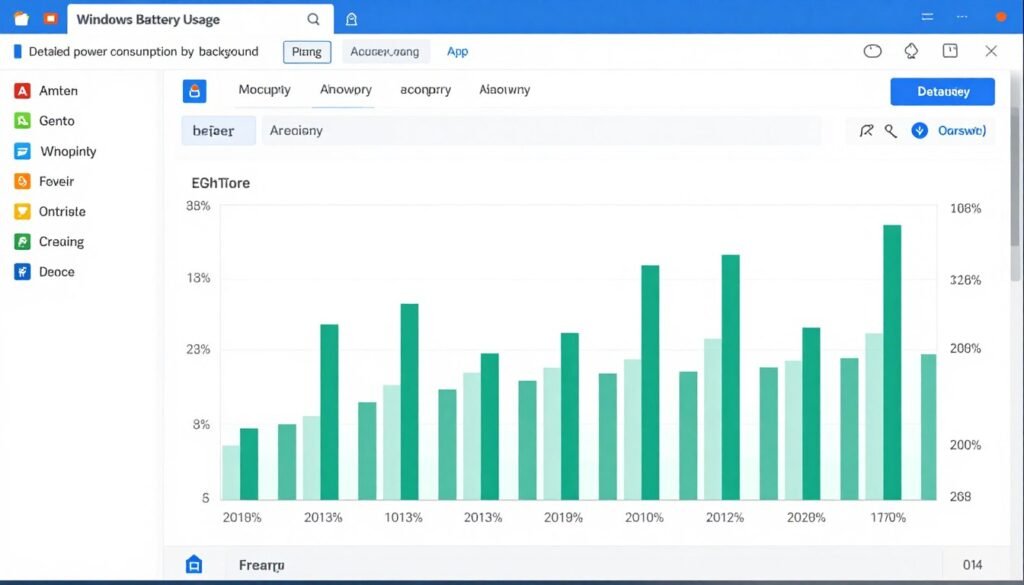
Photos, Music, and Video apps from Microsoft don’t need background access unless you’re actively using their sync or streaming features. Most people use third-party apps or web services for media. Disable background access for Microsoft’s built-in media apps.
Games should never run in background. If you see games listed in background apps, disable them immediately. Games have no legitimate reason to run when you’re not playing. Some games have launchers that want background access for updates, but you don’t need that running constantly.
On laptops, disabling background apps improves battery life significantly. Background apps drain battery by keeping the CPU and network active. Aggressive background app management can add 30-60 minutes to battery life depending on usage patterns.
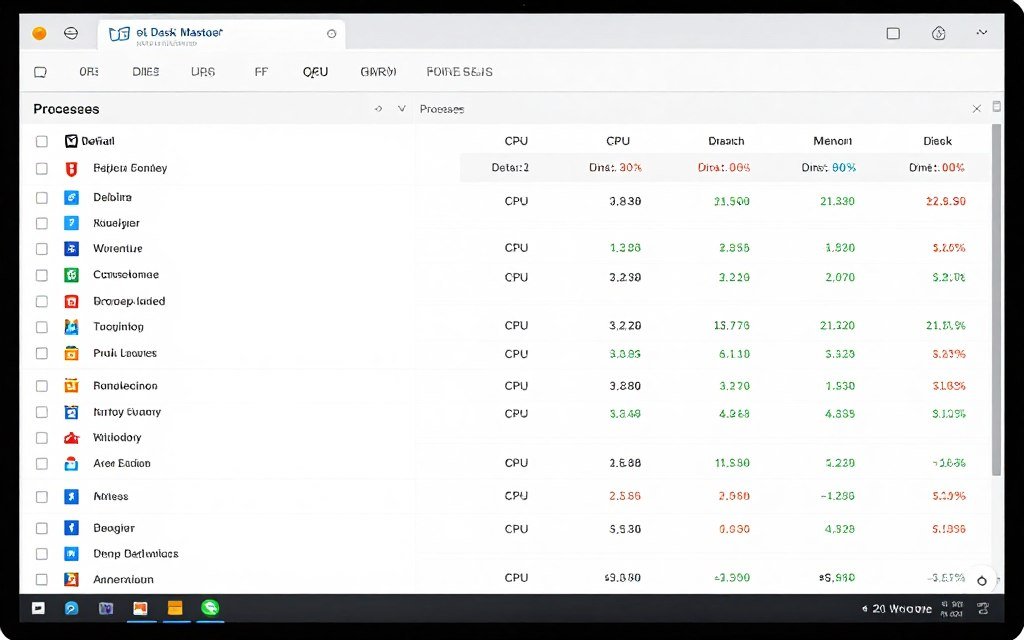
After adjusting background apps, check Task Manager periodically. Go to the Processes tab and look at what’s running. If you see apps you disabled in background settings still running, the app might be starting through a different method like startup programs or scheduled tasks. Hunt down these alternate launch methods and disable them too.
Windows Updates: Finding the Balance Between Security and Control
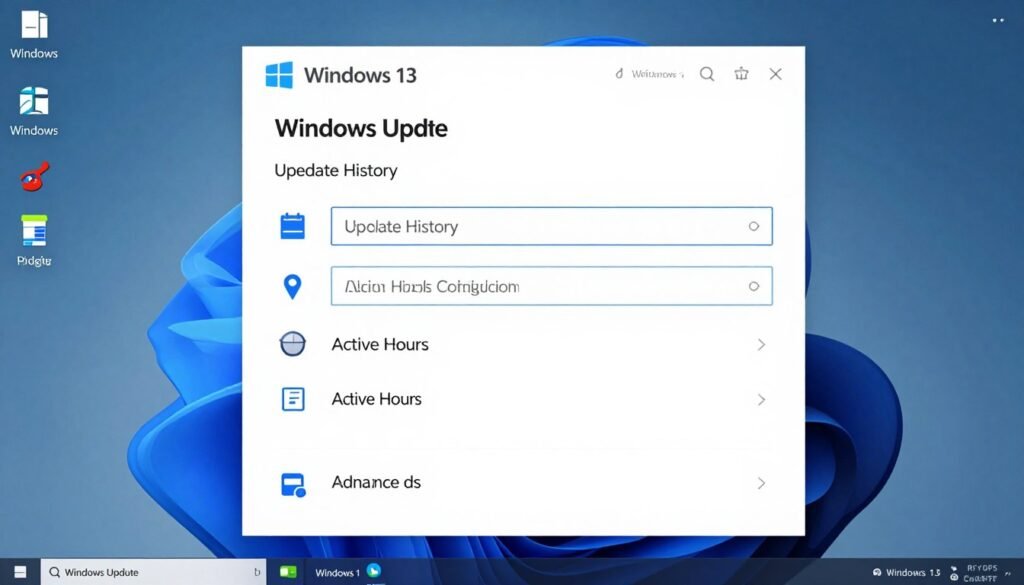
Windows Update is controversial in the optimization community. Security updates matter. Feature updates often cause problems. The Windows Update service itself can hammer your system during downloads and installations. You need updates for security, but you want control over when and how they happen.
Don’t disable Windows Update service completely. That’s security suicide. Instead, configure it to minimize impact. Set active hours so Windows doesn’t restart for updates while you’re using your PC. Open Settings, Windows Update, Advanced options, Active hours. Tell Windows when you typically use your computer.
Pause updates when you need maximum system performance. Windows lets you pause updates for up to 5 weeks. Open Windows Update settings and click “Pause updates for 1 week.” You can extend this multiple times. Use this before gaming sessions, content creation work, or any time you can’t afford system interruptions.
Metered Connection Trick for Update Control
Here’s a technique that works on both Wi-Fi and Ethernet. Set your network connection as metered. Windows treats metered connections like mobile data, avoiding large downloads. This prevents Windows from downloading updates until you manually check.
Open Settings, Network & Internet, click your connection type, find “Metered connection” toggle and enable it. Windows will stop automatically downloading updates. You’ll need to manually check for updates when ready, but you get full control over when updates happen.
The downside is some apps also respect metered connections and won’t update either. Microsoft Store apps, OneDrive, and other services pause automatic downloads on metered connections. If you use these services heavily, the metered connection trick might cause more problems than it solves.
- Set Active Hours to cover your typical usage time
- Pause updates before critical work or gaming sessions
- Enable metered connection for maximum update control
- Check for updates manually on your schedule
- Keep at least security updates current (monthly)
- Delay feature updates until they’re proven stable
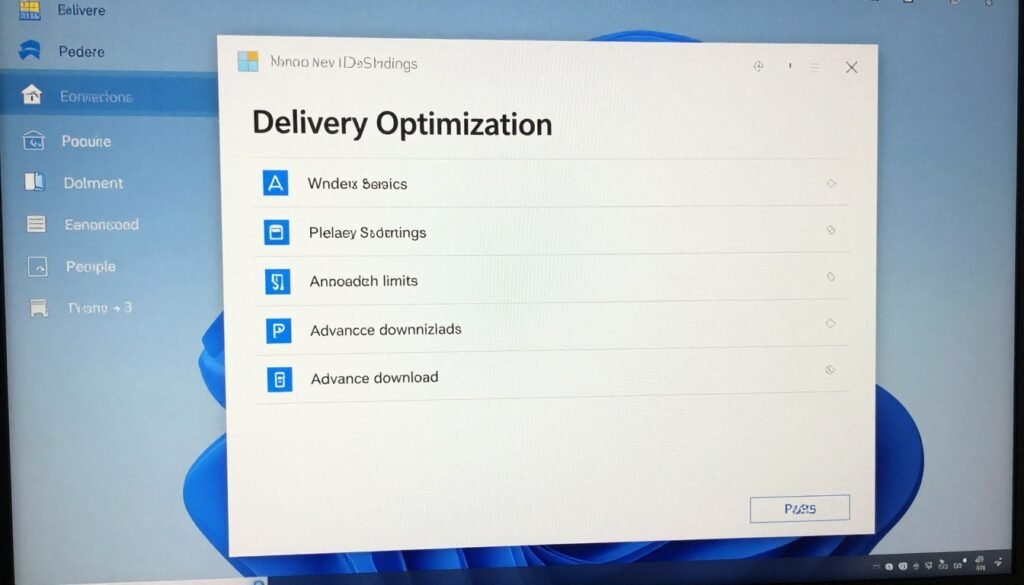
Windows Update Delivery Optimization is another resource hog. This feature uses your internet connection to upload Windows updates to other PCs. It turns your computer into an update server for Microsoft’s benefit. Disable this completely.
Open Settings, Windows Update, Advanced options, Delivery Optimization. Turn off “Allow downloads from other PCs.” This stops Windows from uploading updates to other machines on your network or the internet. It reduces network usage and prevents your upload bandwidth from being hijacked.
Some people use Group Policy or Registry tweaks to gain even more control over Windows Update. These methods work but require careful configuration. One wrong setting and you might break Windows Update entirely, leaving your system vulnerable. The settings-based approaches described above give you sufficient control without registry hacking.
Security Reality: Disabling updates completely is dangerous. New security vulnerabilities get discovered constantly. The Ryzen 9 9950X and RTX 5090 in your gaming rig don’t help if malware exploits an unpatched Windows vulnerability. Find a balance between update control and security. Monthly security updates are non-negotiable. Feature updates can wait until proven stable.
After configuring update settings, restart your PC and monitor Windows Update behavior. Check Task Manager for Windows Update processes. You should see significantly reduced activity unless you manually check for updates. Your system stays secure but on your terms.
Maximum Performance Power Plan and CPU Settings
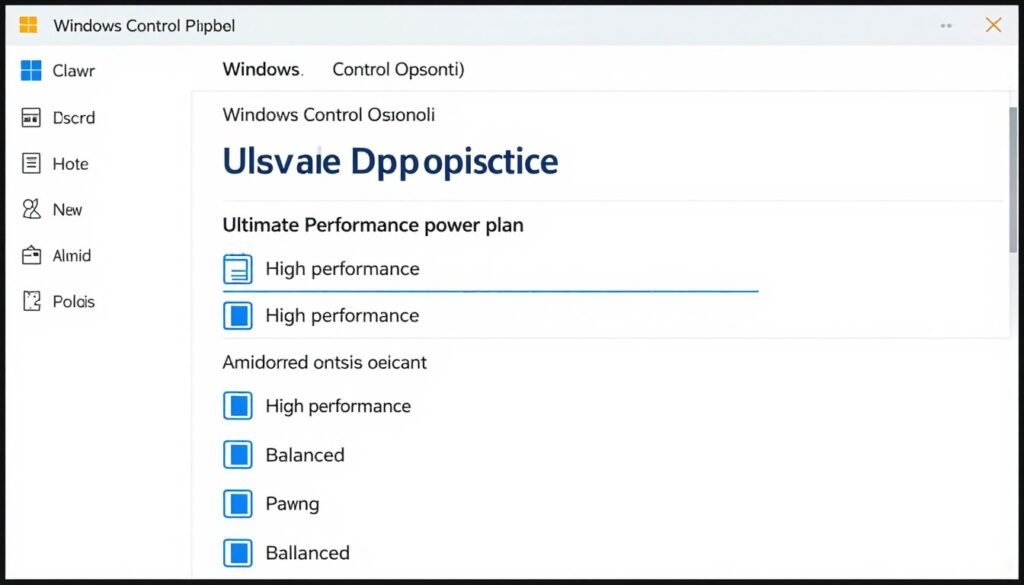
Windows power plans control how your CPU behaves. Balanced mode throttles your processor to save energy. Power Saver mode severely limits performance. High Performance keeps your CPU running at full speed. There’s also an Ultimate Performance plan hidden in Windows that removes even more power-saving restrictions.
On desktops, always use High Performance or Ultimate Performance. You’re plugged into wall power, energy savings don’t matter. On laptops, use High Performance when plugged in, switch to Balanced on battery. The performance difference is substantial, especially on high-core-count CPUs like Ryzen 9 9950X.
To enable Ultimate Performance plan, open Command Prompt as Administrator and type: powercfg -duplicatescheme e9a42b02-d5df-448d-aa00-03f14749eb61
Processor State and Core Parking Settings
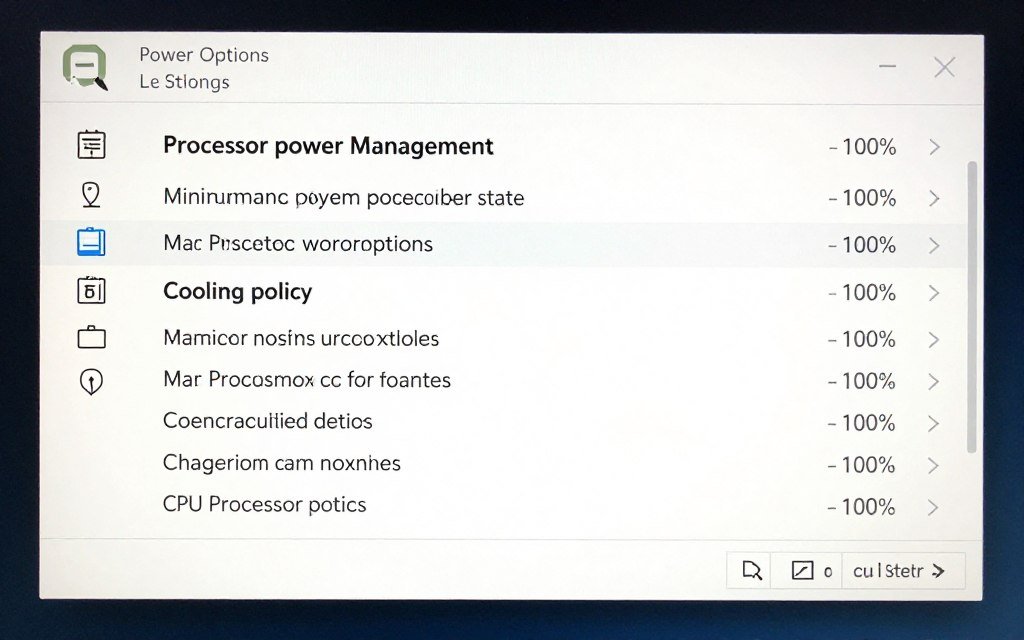
Advanced power settings let you fine-tune processor behavior. Open Control Panel, Power Options, click “Change plan settings” for your active plan, then “Change advanced power settings.” Expand “Processor power management.”
Set “Minimum processor state” to 100% and “Maximum processor state” to 100%. This keeps your CPU running at full speed constantly. On balanced mode, minimum is often 5% which causes stuttering as the CPU ramps up and down. Forcing 100% minimum eliminates this problem.
Core parking is when Windows puts CPU cores to sleep to save power. On high-core-count CPUs, this can cause game performance issues as cores wake up mid-frame. There’s no built-in Windows setting to disable core parking, but you can use third-party tools or registry edits. For most users, setting power plan to High Performance is sufficient.
Desktop PC Power Settings
- Use Ultimate Performance or High Performance plan
- Minimum processor state: 100%
- Maximum processor state: 100%
- System cooling policy: Active
- Turn off hard disk: Never
- Sleep: Never
Laptop Power Settings (Plugged In)
- Use High Performance plan when gaming/working
- Minimum processor state: 100%
- Maximum processor state: 100%
- Display timeout: 15 minutes
- Sleep: 30 minutes
- Consider Balanced mode on battery
PCI Express Link State Power Management is another setting to disable for maximum performance. This lets your GPU and other PCIe devices enter power-saving modes. On desktop systems with discrete graphics, disable this. Open Power Options advanced settings, expand “PCI Express,” set “Link State Power Management” to Off.
USB selective suspend lets Windows put USB devices to sleep to save power. This can cause issues with gaming mice, keyboards, and other peripherals. Disable it in advanced power settings under “USB settings.” Your devices will stay at full power constantly, preventing any sleep-related latency or wake-up delays.
After changing power settings, restart your PC. Monitor CPU frequencies in Task Manager or a monitoring tool like HWiNFO. You should see your CPU maintaining higher clock speeds at idle and responding instantly to load changes. CPU core scaling works best when power management isn’t interfering with core availability.
The power consumption increase from these settings is minimal on modern CPUs. Yes, your idle power draw goes up by 5-10 watts. On a desktop system, that’s irrelevant. The performance gains from eliminating power management overhead are worth it for gaming and productivity workloads.
How to Verify Your Optimization Actually Worked
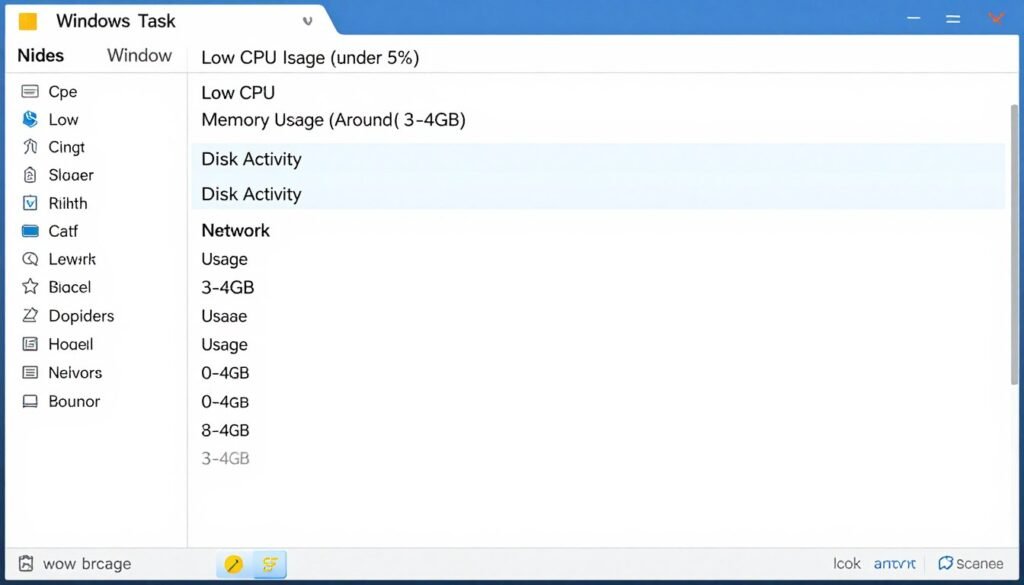
After disabling services and adjusting settings, you need to verify the changes actually improved performance. Measure before and after so you know the optimization worked. Task Manager and Resource Monitor provide all the data you need.
Check your idle resource usage. Restart your PC, wait two minutes for everything to settle, then open Task Manager. Note your CPU usage, RAM usage, disk activity, and network usage. On a properly optimized system, idle CPU should be under 5%, RAM usage depends on total RAM but background processes should use under 4 GB, disk activity should be minimal spikes not constant activity.
Boot time is another key metric. Time how long your system takes from power button press to usable desktop. Properly optimized Windows 13 on an NVMe SSD should boot in 15-20 seconds. SATA SSDs take 25-35 seconds. Mechanical drives take 45-60 seconds regardless of optimization.
Tools for Measuring Performance Impact
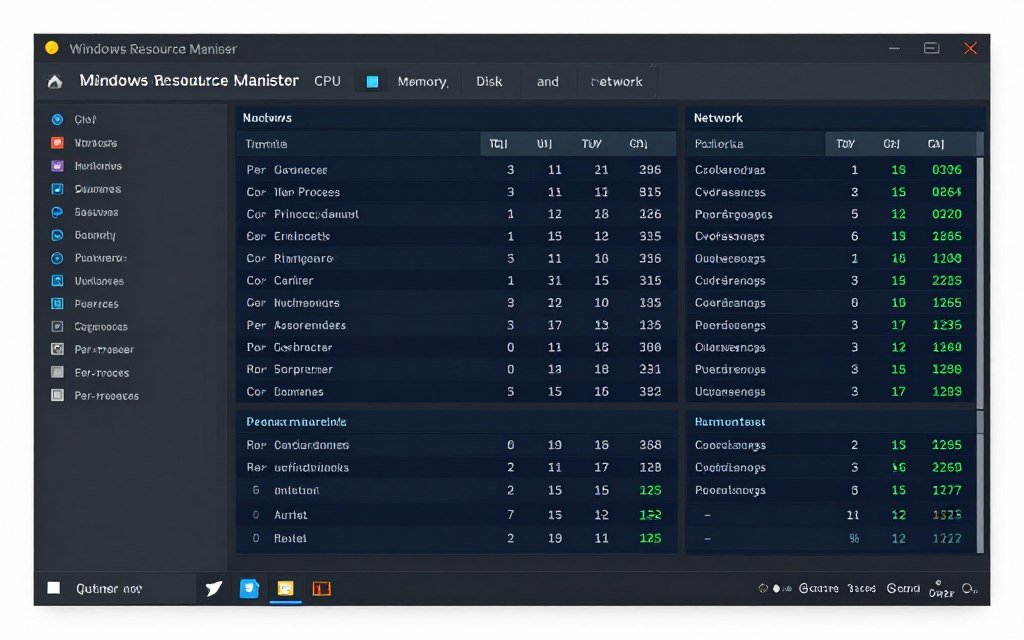
Resource Monitor (resmon.exe) shows more detail than Task Manager. It breaks down resource usage by process and service. Use the CPU tab to see which services are using CPU cycles. The Memory tab shows which processes are holding RAM. Network tab reveals what’s using your internet connection.
For gaming performance, use built-in game overlays or tools like MSI Afterburner. Record your FPS and frame times before optimization. Play the same game sections after optimization and compare. You should see smoother frame times even if average FPS doesn’t change much. Frame time consistency matters more than peak FPS for perceived smoothness.
Temperature monitoring matters too. Lower background activity means lower idle temperatures. Use HWiNFO or similar tools to track CPU and GPU temperatures. Optimized systems idle cooler because less background processing means less heat generation. This leaves more thermal headroom for actual workloads.
- Idle CPU usage should be under 5%
- Background memory usage under 4 GB for optimization
- Minimal disk activity when idle (no constant 100% usage)
- Boot time improvement of 20-40% typical
- Smoother game frame times even if average FPS similar
- Lower idle temperatures by 3-5°C typical
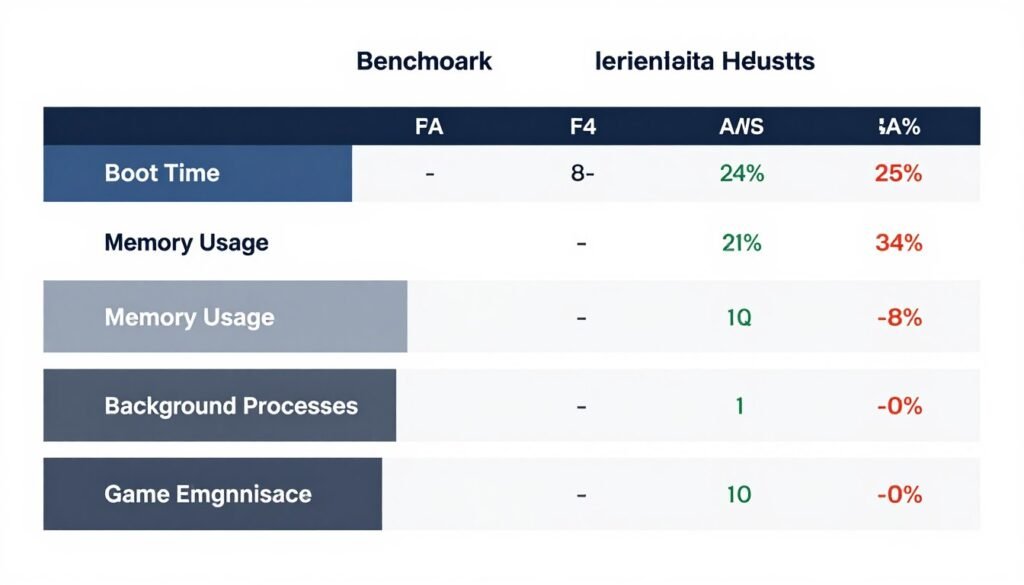
Run a benchmark before and after optimization for objective comparison. 3DMark, Cinebench, or even Windows Experience Index (yes, it still exists hidden in Windows). Benchmarks remove variables and give you hard numbers to compare. Your scores should improve slightly, but the real gains are in consistency not peak performance.
Application launch times improve with optimization. Time how long it takes to launch your web browser, games, or productivity software before and after changes. Less background activity means your applications get resources faster when you launch them.
If you don’t see improvement after optimization, something’s wrong. Either you didn’t actually disable the resource-hungry services, or your system has other problems. Hardware failures, malware, or outdated drivers can mask optimization benefits. Run through the checklist again and verify each service is actually disabled in Services management console.
Realistic Expectations: Optimization isn’t magic. You won’t see 50% FPS gains or 2x faster boot times. Expect 15-25% boot time improvement, 10-15% more available RAM, smoother frame times, and better system responsiveness. If your system already runs well, optimization provides polish not transformation. If your system struggles, optimization helps but won’t fix fundamental hardware limitations. Know the difference between software bloat and actual bottlenecks in your hardware.
Critical Services You Should Never Touch
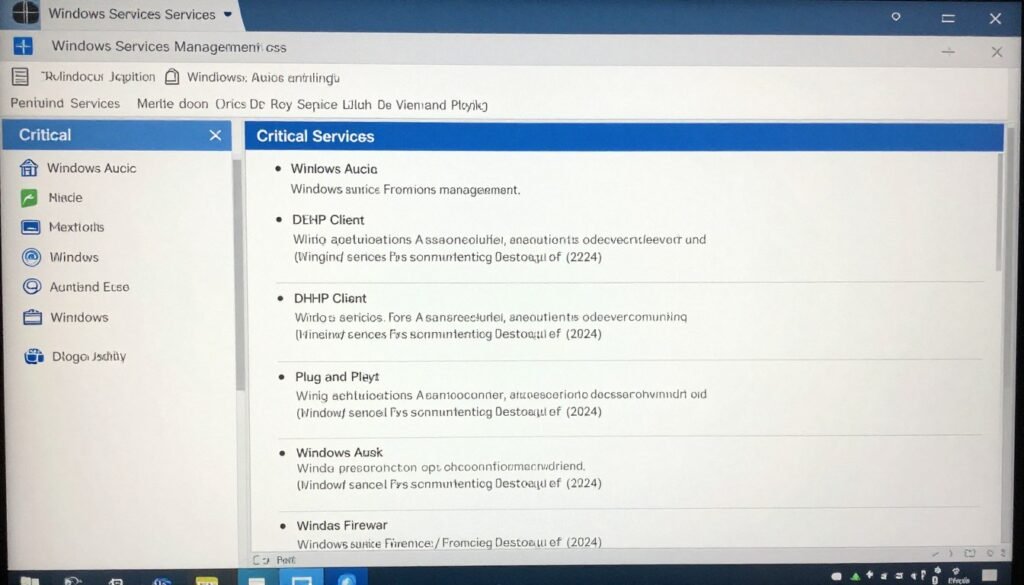
Before we wrap up, let’s talk about what you absolutely should not disable. Some services are essential for Windows to function. Disable these and you’ll break your system completely requiring restore or reinstall. Better to know the danger zones before you experiment.
Windows Audio and Windows Audio Endpoint Builder handle all sound output. Disable either and you have no audio. All sound dies instantly. Keep both set to Automatic. Even if you use third-party audio software, these services provide the foundation everything else builds on.
DHCP Client and DNS Client manage network connectivity. DHCP gets your IP address from your router automatically. DNS translates website names to IP addresses. Break either service and your internet stops working completely. Never touch these.
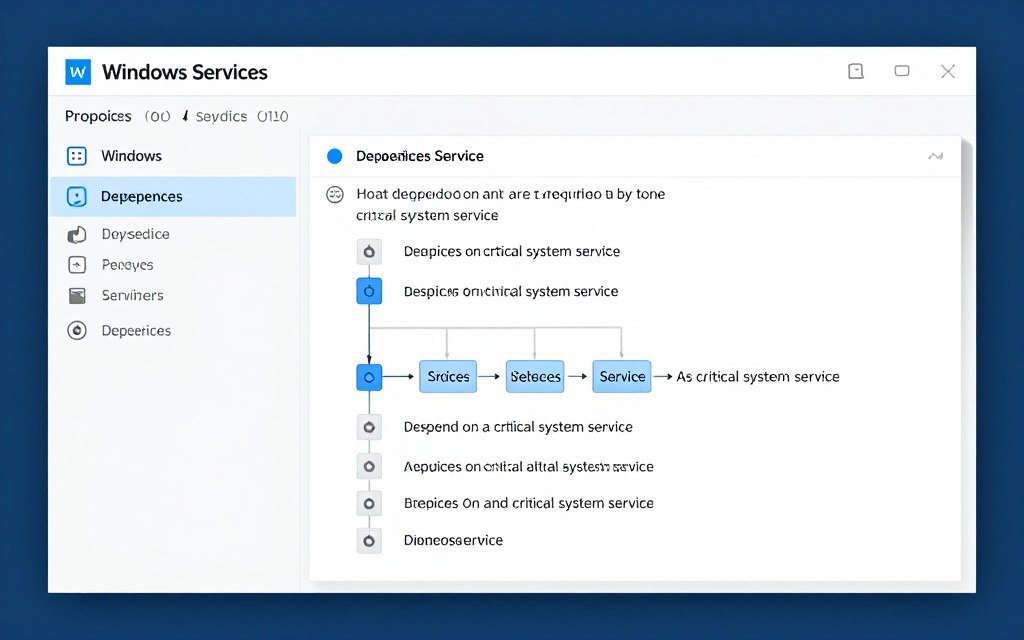
Essential Services List
Base Filtering Engine and Windows Firewall are your security foundation. BFE powers the Windows firewall and many security features. Windows Firewall protects you from network attacks. Disable these and you’re exposed to every threat on the internet. Keep both running on Automatic.
Plug and Play and Device Association Service handle hardware detection and installation. USB devices, GPU drivers, monitors, everything connects through these services. Disable them and your hardware stops working. New devices won’t be detected. Existing devices might malfunction.
Windows Update service was covered earlier, but it bears repeating. Configure it for minimum annoyance but keep it enabled. Regular security updates protect you from exploits and malware. Completely disabling Windows Update is asking for trouble.
Never Disable These Services:
- Windows Audio / Windows Audio Endpoint Builder
- DHCP Client / DNS Client
- Base Filtering Engine / Windows Firewall
- Plug and Play / Device Install Service
- Windows Update
- RPC (Remote Procedure Call)
- Windows Management Instrumentation
- System Event Notification Service
- Task Scheduler
- Windows Defender (unless using third-party antivirus)
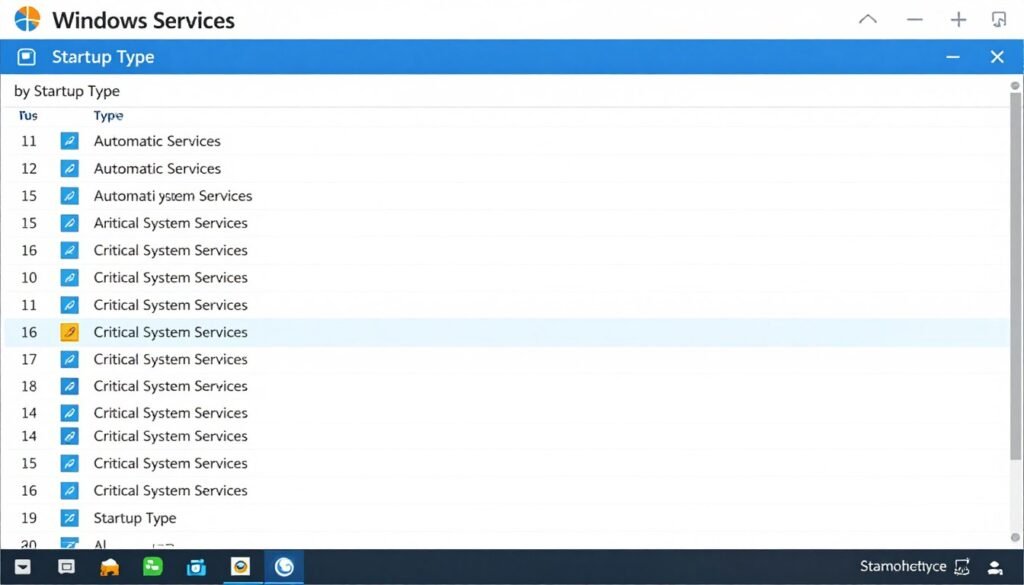
RPC (Remote Procedure Call) and related services enable communication between Windows components. Tons of things depend on RPC. Break it and Windows stops functioning properly. Applications crash, system features fail, nothing works right. Leave RPC and all its dependent services alone.
Windows Management Instrumentation provides system information to other programs and Windows itself. Monitoring tools, system utilities, and Windows components query WMI constantly. Disable it and various programs break in weird ways. Keep it running.
Task Scheduler runs scheduled tasks including important system maintenance. Windows uses Task Scheduler for cleanup, updates, optimization, and dozens of background maintenance tasks. Disable it and your system degrades over time. Leave Task Scheduler enabled.
When in doubt, don’t disable. If you’re unsure what a service does, look it up before touching it. The services covered in earlier sections are safe to disable or set to Manual. Everything else requires research before changing. A few minutes of research prevents hours of troubleshooting.
The Bottom Line: What Actually Matters for Windows 13 Optimization

After all this, what’s the real takeaway? Windows 13 debloating works, but it’s not a magic bullet. You’ll see measurable improvements in system responsiveness, boot time, and available resources. But you won’t transform a slow system into a fast one through service optimization alone.
The biggest gains come from disabling telemetry services, Windows Search, and unnecessary startup programs. These three areas give you the most bang for your effort. Everything else is incremental improvement stacking on top of that foundation.
Don’t expect massive FPS gains in games. Optimization helps frame time consistency more than raw performance. Your 1% lows improve. Stutters decrease. The experience feels smoother even if average FPS stays similar. That’s the real value for gamers.
Complete Your Optimization Journey
Optimized your Windows services but want to squeeze out every last bit of performance? Check your system balance and identify hardware bottlenecks that software tweaks can’t fix. Our free bottleneck calculator analyzes your entire build and shows you exactly where your system is limited.
For RTX 5090 and Ryzen 9 9950X builds, optimization matters differently than on lower-end hardware. High-end systems don’t need optimization for basic performance. They need it for consistency and eliminating microstutters during competitive gaming or heavy workloads. Modern flagship hardware deserves properly optimized software to reach its full potential.
Remember that Windows optimization is ongoing maintenance, not a one-time fix. Windows Update resets some settings. Software installs re-enable startup programs. You need to check your optimization periodically and undo new bloat that creeps in. Monthly maintenance keeps your system running clean.
The real lesson here is understanding what your system is doing in the background. Most people never look. Their PC runs dozens of services and processes they don’t know about. Taking control of what runs on your machine puts you back in charge of your hardware.
If you followed this guide completely, your system should feel noticeably more responsive. Lower memory usage, faster boot times, smoother gaming. Not revolutionary changes, but meaningful improvements that add up to a better computing experience overall.
Windows 13 debloating gives you control over your system. You decide what runs, when it runs, and how much resources it uses. Microsoft wants every feature enabled by default. You want maximum performance. Now you know how to get it.
Start with the big wins: telemetry services, Windows Search, startup programs. These give you immediate, noticeable improvements. Then fine-tune the details based on your specific use case. Gaming systems need different optimization than workstations or general-use PCs.
What’s the weirdest performance issue you’ve ever run into?