Fix My Build: Why This PC Stutters in Warzone
Ever been in a heated battle, only to have your screen freeze at the worst time? It’s a frustrating moment that can cost you the game. We get how upsetting it is when your computer can’t keep up with fast games.
If you’re wondering how to Fix My Build, you’re in the right spot. We’re exploring why your PC stutters to help you get back in the game. Follow our expert tips to find out why your system stutters and fix it.
We aim to give you a clear path forward to avoid tech issues. Let’s make sure your computer stays fast during every game. It’s time to focus on winning again.
Key Takeaways
- Identify common hardware bottlenecks causing frame drops in Warzone.
- Learn how to optimize system settings for a smoother gaming experience.
- Understand the impact of background processes on your overall performance.
- Discover essential diagnostic tools to monitor your PC health in real-time.
- Gain confidence in maintaining a responsive system for competitive play.
Understanding the Importance of Smooth Gameplay
A smooth gaming experience is key to winning in Warzone. When our hardware works well, we can move fast and shoot accurately. But, any problem can ruin our game.
What Causes Stuttering in Games?
Stuttering happens when our system can’t keep up with the game’s pace. This usually comes from the CPU and GPU not working together well. Or, they get too busy with other tasks.
When they don’t sync, we see noticeable hitches in what we see on screen.
How Stuttering Affects Our Experience
Technical problems can make our game slow down, showing Low FPS. This makes it hard to hit moving targets. It also messes up our focus and skill.
The Role of Frame Rate in Gaming
Frame rate is how many pictures our computer shows each second. A steady, high frame rate means our actions feel quick and right. But, if it changes a lot, we can’t keep up in fast games.
| Frame Rate (FPS) | Visual Quality | Competitive Impact |
|---|---|---|
| 30 FPS | Choppy | High disadvantage |
| 60 FPS | Standard | Baseline for play |
| 144+ FPS | Ultra-smooth | Significant advantage |
Knowing about these numbers helps us spot when our system is slow. By watching our frame rate, we can fix Low FPS and get back to winning.
Key Hardware Requirements for Warzone
Knowing our hardware limits is key to fixing game stutter. First, we need to do a Bottleneck Audit to check if our gear is good enough. We compare our User Rig to Warzone’s needs to find out if we’re hitting a performance wall.
Minimum vs. Recommended Specs
Warzone demands a lot from your hardware. The minimum specs let the game run, but it’s not smooth. Here’s a table showing what you need for a better gaming experience.
| Component | Minimum Requirement | Recommended Requirement |
|---|---|---|
| Processor | Intel Core i3-6100 | Intel Core i5-6600K |
| Graphics Card | NVIDIA GTX 960 | NVIDIA GTX 1060 |
| Memory (RAM) | 8 GB | 12 GB |
The Impact of CPU and GPU Performance
How well our CPU and GPU work together is key for smooth gaming. If one is way weaker, it causes a Bottleneck Audit and stuttering. This happens when the system can’t handle the game’s demands.
“A balanced system is the secret to consistent performance in high-fidelity shooters.”
It’s important to see how our CPU and GPU handle Warzone’s complex scenes. If one is overworked while the other is idle, our User Rig will struggle. Matching these two parts is essential for smooth gaming.
RAM Necessities for Optimal Play
Many players forget how important RAM is for smooth gaming. Warzone needs fast RAM to load quickly. Running on just 8 GB can cause stuttering as the game tries to load data.
Going up to 16 GB of RAM can really help. Sufficient memory lets the game load faster, easing the load on our drives. This makes for a better gaming experience.
Common Issues Leading to Stuttering
Often, frustrating game stutters come from simple oversights, not broken parts. We might think a stuttering game means our components are failing. But, that’s not always true. By focusing on system maintenance, we can often fix stuttering without spending money.
Overheating Hardware and Its Effects
When our components get too hot, they slow down to prevent damage. This is called thermal throttling. During this time, our system may struggle to meet game demands.
If our fans are loud or our case feels warm, it’s likely overheating. Cleaning out dust and ensuring good airflow can stop stutters. Keeping our hardware cool helps maintain smooth gameplay.
Outdated Drivers: When They Matter
Software is as important as the parts inside our PC. Graphics card makers often update drivers to fix bugs and improve game compatibility. Running outdated drivers can cause communication issues with games.
Regularly checking for driver updates is essential. Updating drivers ensures our hardware works at its best. This simple step can often fix stuttering problems.
Background Applications That Interfere
Our computers run many hidden processes that use system resources. When playing demanding games, these apps can cause stutters. A Bottleneck Audit helps find which programs are using too much power.
It’s wise to close unnecessary apps before playing games. By streamlining our background environment, we make our system faster. A clean system is almost always faster.
Troubleshooting Our Stuttering Problems
To stop stuttering, we need to understand what our computer does while we play. Finding the cause of Low FPS is the first step. By being calm and methodical, we can avoid making changes that might harm our system.
Step-by-Step Guide to Diagnosing Issues
Start by watching how your system acts during a match. Keep a notepad to note when stuttering happens, like in intense fights or new map areas.
- Check for thermal throttling by monitoring CPU and GPU temperatures.
- See if stuttering occurs when certain apps are running in the background.
- Make sure game files are not damaged through the launcher settings.
Tools and Software to Monitor Performance
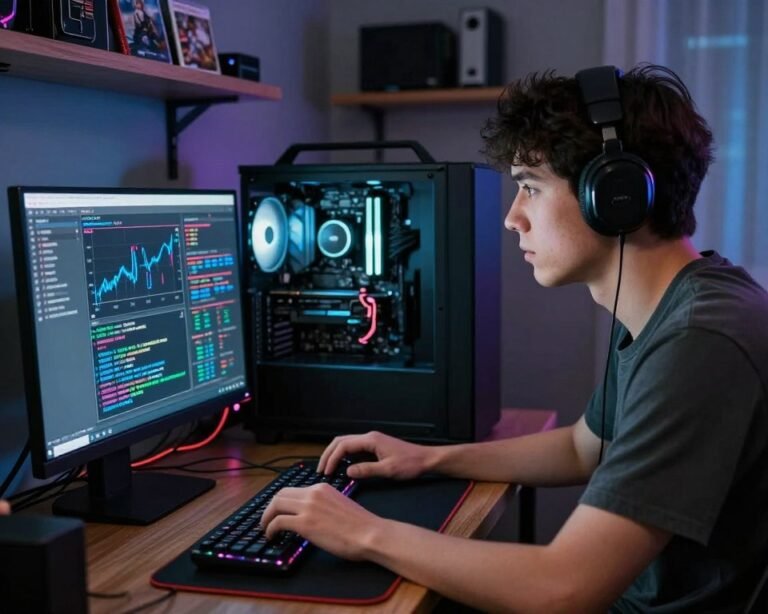
We need software that tracks hardware use in real-time. MSI Afterburner or the NVIDIA GeForce Experience performance overlay are great for this.
These tools show if our hardware is maxed out. If GPU usage drops suddenly, it means we have a Low FPS problem. Watching these metrics helps us find the source of the issue.
Testing Different Settings in Warzone
Finding a solution takes patience and trial and error. Change only one graphics setting at a time to see its effect on FPS.
Changing too many settings at once makes it hard to find the fix. Consistency is key. By testing settings one by one, we can find a stable and optimized setup.
Upgrading Our Systems for Better Performance
When software tweaks don’t help, we need to look at hardware upgrades. Our systems might not handle today’s games well. Investing in the right upgrades lets us enjoy games smoothly.
When to Consider a Graphics Card Upgrade
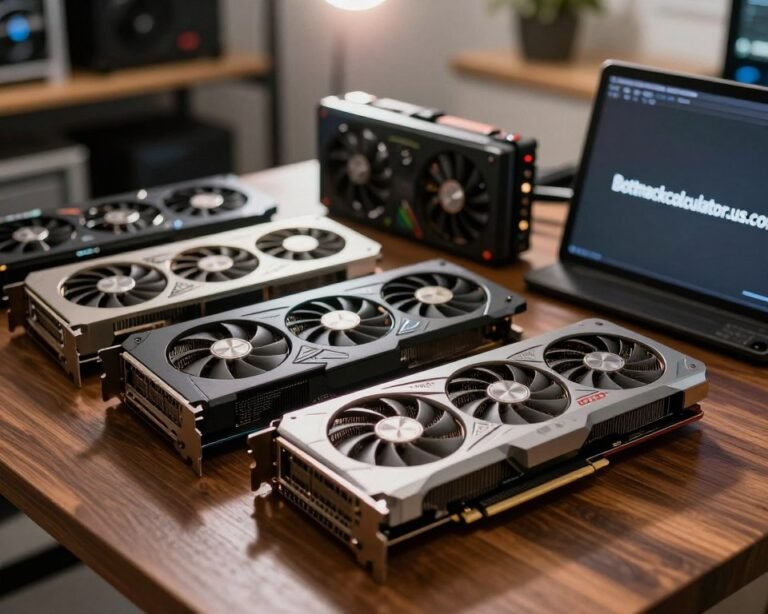
The graphics card is key to a good gaming experience. If frame rates drop during intense scenes, it’s time to upgrade. Getting a more powerful card helps keep frame rates high.
Look for signs like low GPU usage and high CPU work. Or if your current card can’t handle high-resolution textures. A new card will handle modern games better.
Enhancing Our RAM: Is It Worth It?
Many overlook how memory affects performance. A RAM Upgrade can stop stuttering caused by memory issues. When memory runs out, the system slows down.
More RAM means games can load faster. A good RAM Upgrade makes games run smoother. For modern gaming, 16GB RAM is a good starting point.
Harnessing SSDs for Faster Load Times
Switching to an SSD is a big improvement. SSDs make loading games much faster. This reduces annoying texture pop-in.
SSDs make games feel more responsive. They eliminate loading stutters. A high-quality NVMe drive is a great upgrade.
| Upgrade Component | Primary Benefit | Impact on Stuttering |
|---|---|---|
| Graphics Card | Higher Frame Rates | High |
| RAM Upgrade | System Stability | Medium |
| SSD Storage | Faster Loading | High |
Optimizing Game Settings for Stability
Adjusting our in-game settings is a great way to keep our User Rig stable without buying new hardware. Finding the right mix of visual quality and performance can make our games run smoother.
Adjusting Graphics Options for Balance
First, go to the video settings in Warzone. Lowering texture resolution and shadow quality can help a lot. These settings use a lot of power from our graphics card.
Choosing medium or low settings can ease the load on our system. This keeps our frame rate steady, which is key for competitive play.
Disabling Unnecessary Visual Effects
Modern games often have cool visual effects that slow us down. It’s smart to turn off things like motion blur, depth of field, and film grain.
These effects can make it hard to see during fast fights. Turning them off boosts our frame rate and gives us a clearer view of our foes on our User Rig.
Utilizing NVIDIA or AMD Control Panels
At times, the game’s menu doesn’t let us control our hardware enough. We can use NVIDIA Control Panel or AMD Software to set specific settings for better stability.
For example, we can set a frame rate limit or adjust vertical sync to stop screen tearing. These tools help us get the most out of our User Rig, making our gaming smooth and fun.
Knowing When to Seek Professional Help
At times, our own troubleshooting hits a wall, and we need a pro’s touch. Knowing when to ask for help is key.
Signs That Point to Hardware Failure
Screen glitches, constant blue screens, or odd fan noises hint at serious problems. These signs mean a simple fix won’t cut it. It’s time to face the fact that some parts are worn out.
Finding Reliable Tech Support
Local repair shops or certified techs from brands like Micro Center can be lifesavers. They offer detailed checks that save us from endless trial and error. A pro’s eye can spot issues we can’t see.
Look for shops with good reviews and solid warranties. This ensures we get reliable help.
Investing in Professional Builds for Gamers
Building a PC yourself can be fun, but sometimes, a pre-made machine offers peace of mind. Brands like Origin PC or Maingear stress-test their systems for top gaming performance. This lets us dive into Warzone without worrying about our rig.
Choosing a pre-built system means we can enjoy gaming without the stress of hardware worries.
FAQ
Why is our User Rig stuttering while we play Call of Duty: Warzone?
Stuttering often happens when our system can’t handle the game well. Background apps like Google Chrome or Discord use up CPU power that Warzone needs. A Bottleneck Audit helps us see if our hardware is up to the game’s demands. This way, we can fix our system to play smoothly.
How can we tell if Low FPS is the main reason for our competitive disadvantage?
Low FPS makes our reactions slower because the game’s visuals are delayed. Tools like MSI Afterburner or NVIDIA GeForce Experience help track our FPS. If our FPS is lower than our monitor’s refresh rate during fights, we need to adjust our settings.
Is a RAM Upgrade necessary for a smoother experience in Warzone?
Warzone needs a lot of memory, and older systems might not have enough. Upgrading to 16GB or 32GB of fast RAM can help a lot. This ensures our system can handle the game’s assets without slowing down.
What are the first steps we should take during a Bottleneck Audit?
First, open the Windows Task Manager or HWMonitor while playing. Check if our CPU or GPU is being used too much. If our CPU is always at 100% while the GPU is at 70%, we’ve found the problem. This helps us know which part of our system needs fixing.
Can adjusting the NVIDIA or AMD Control Panels really provide a Solution for stuttering?
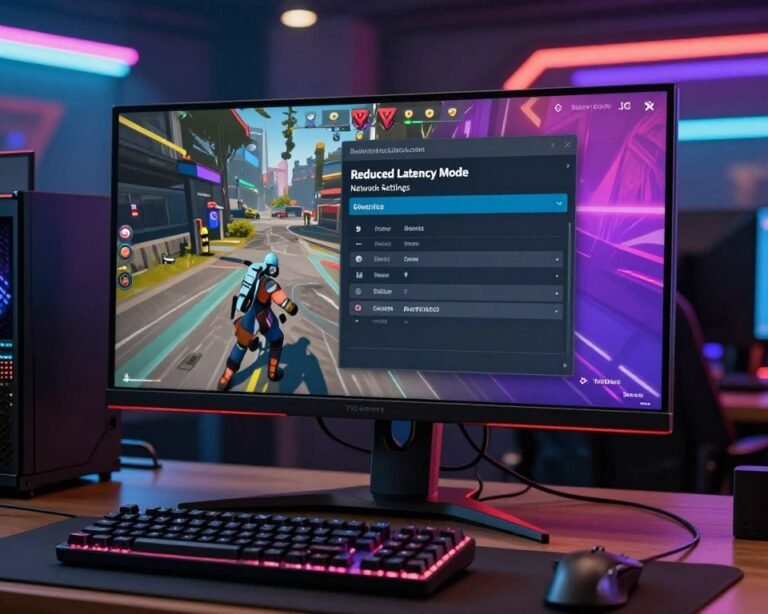
Yes, tweaking settings can help a lot. In the NVIDIA Control Panel, set “Power Management Mode” to “Prefer Maximum Performance.” Or, use AMD Radeon Software to enable “Anti-Lag.” These changes help our system focus on gaming instead of saving energy.
When do we know it is time to seek professional help from places like Micro Center?
If we keep getting crashes, visual problems, or the “Blue Screen of Death,” it might be a hardware issue. After trying software fixes, talking to experts at Micro Center or the maker can help. They can check for damage or defects.