
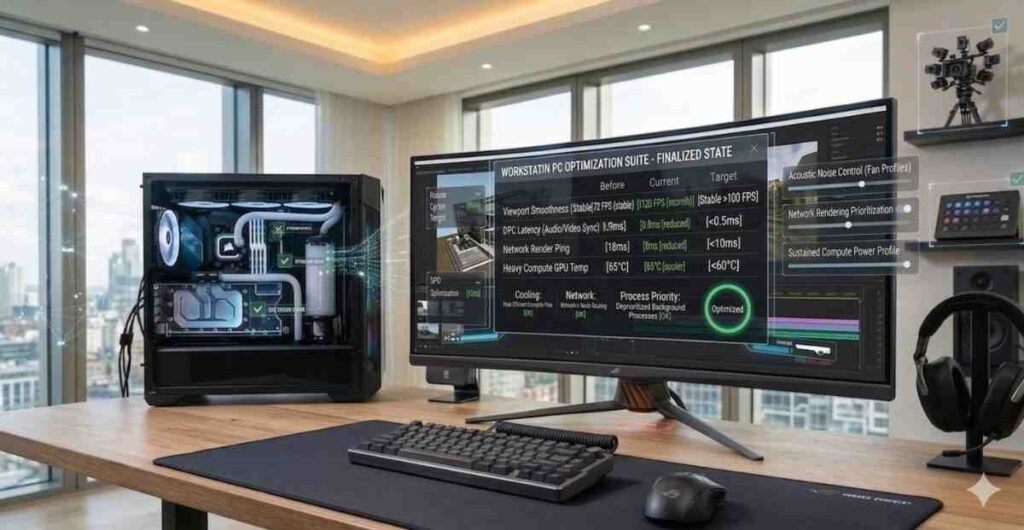
Even the most powerful rigs require fine-tuning, and our PC Optimization hub provides the roadmap. By mastering techniques like under volting and debloating, you can significantly reduce the “stuttering” often identified by a pc bottleneck checker. We focus on software tweaks that complement your build & buy advice, ensuring your OS doesn’t hinder your hardware. If you feel your system is lagging, run a quick bottleneck checker on our home page. Once you have the results, use our guides to eliminate background processes and maximize your bottleneck basics knowledge for a smoother experience.
Deep Dive into PC Optimisation
Chipset Driver Guide: Why They Outrank GPU Driver Updates
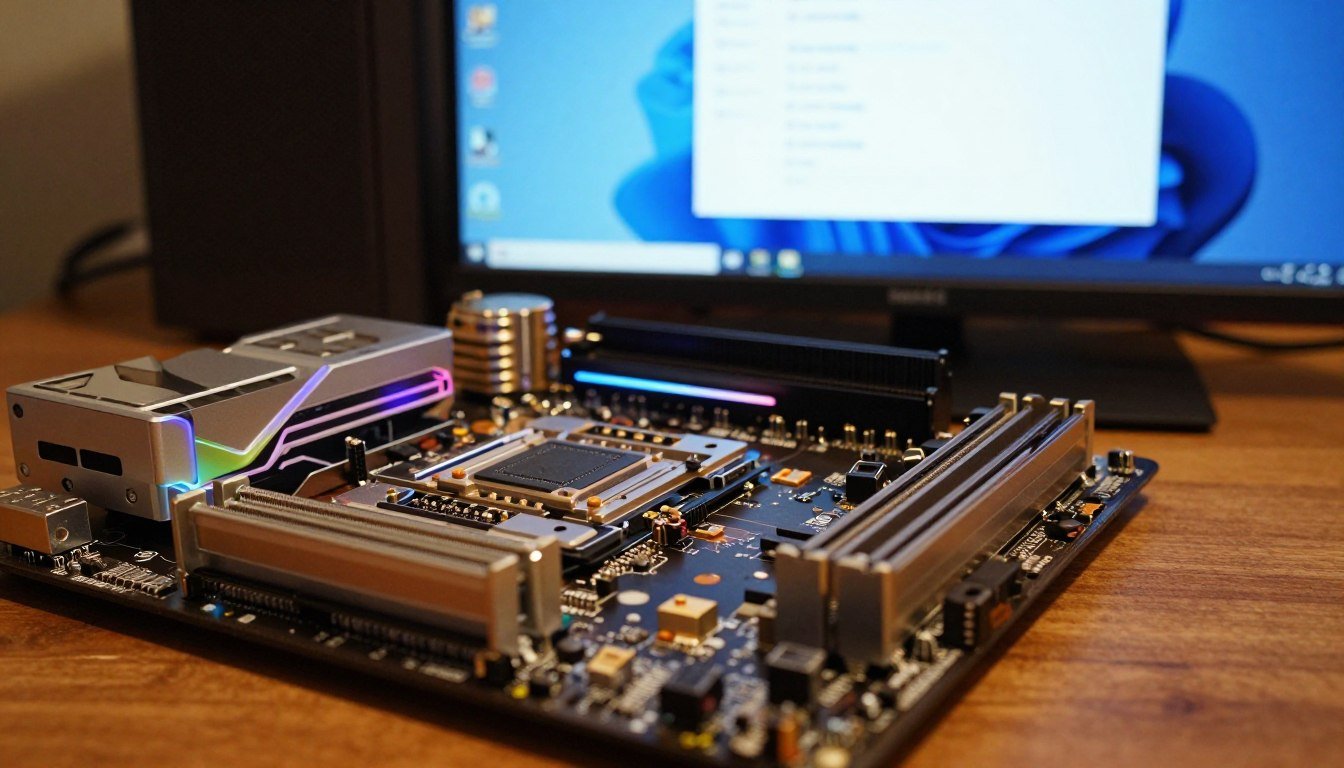
Dual-Channel vs. Quad-Channel RAM: The Setup Optimization Guide You Actually Need
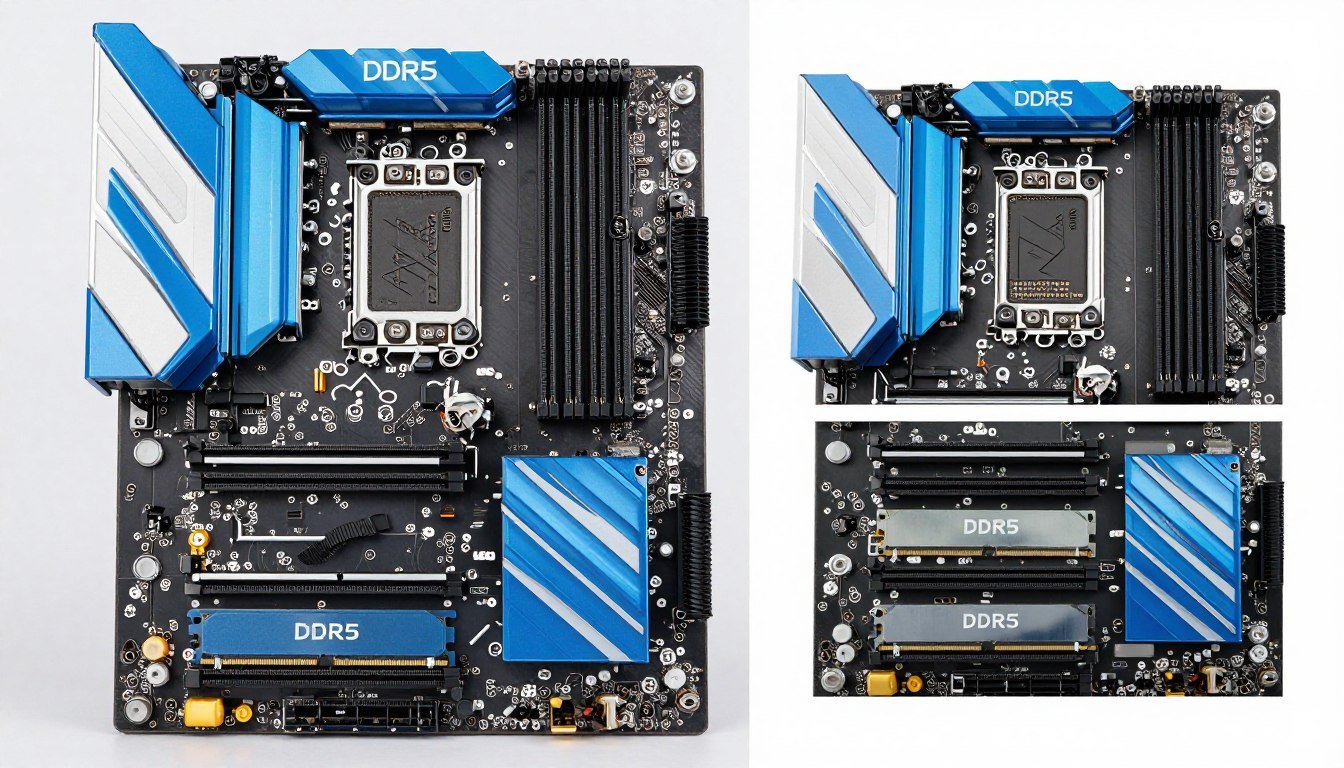
XMP vs. EXPO: Setting Up RAM Profiles Correctly
Repasting Your GPU: Lowering Hotspot Temps
Disabling HPET: Is It Still Relevant for Latency in 2026?
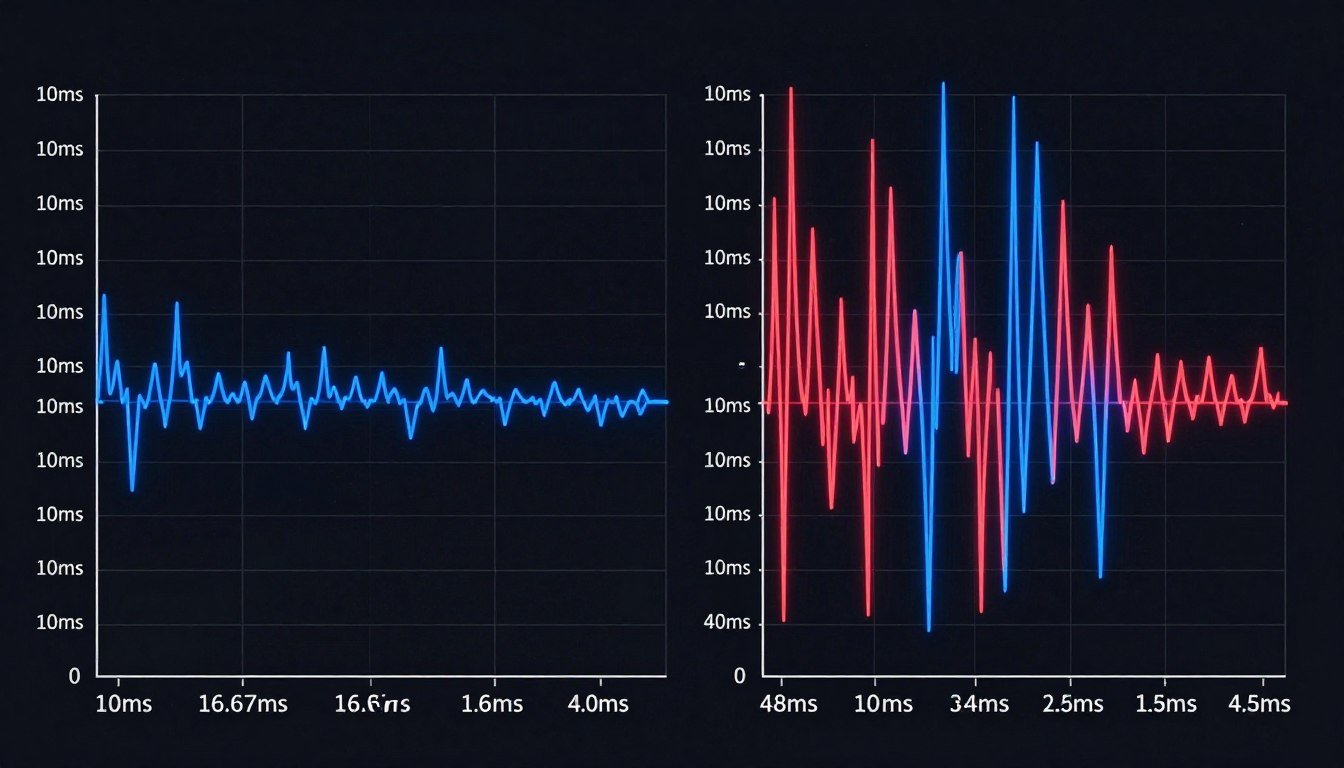
Frame Time Consistency: Why Your “High FPS” Game Still Feels Like Garbage
ISLC Guide: Fixing Windows RAM Leaks That Kill Your Gaming Performance
ISLC Guide: Fixing Windows RAM Leaks That Kill Your Gaming Performance
DPC Latency Fix: Solving Audio Pops & Lag
SSD Health Optimization: TRIM and Over-provisioning
Shader Cache Management: Removing “First Run” Lag
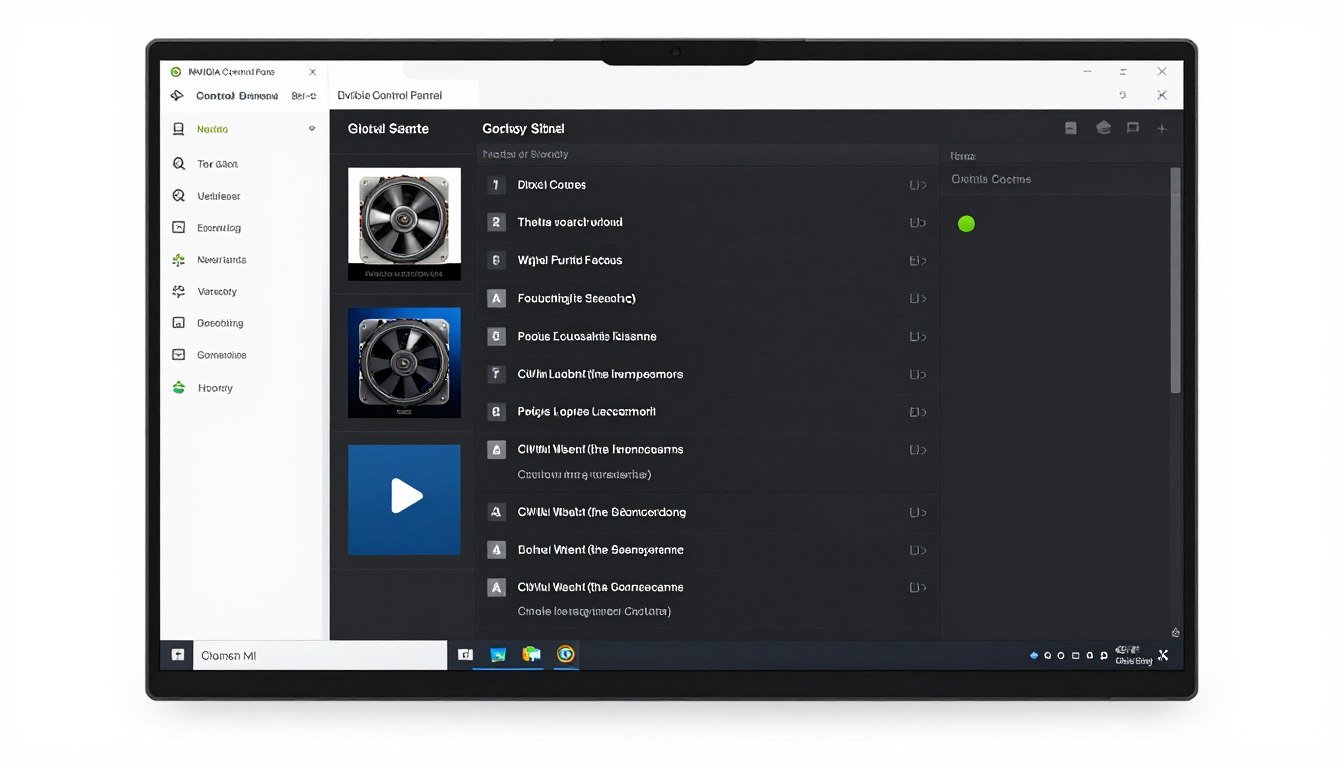
Nvidia Control Panel: The Ultimate “Global Settings” Guide
Windows Game Mode: Does It Still Work in 2026?
Fixing Micro-Stutter: A Step-by-Step Diagnostic
RAM Timing Optimization: Beyond Simple MHz
Windows 13 Debloating: Best Services to Disable for Maximum Performance
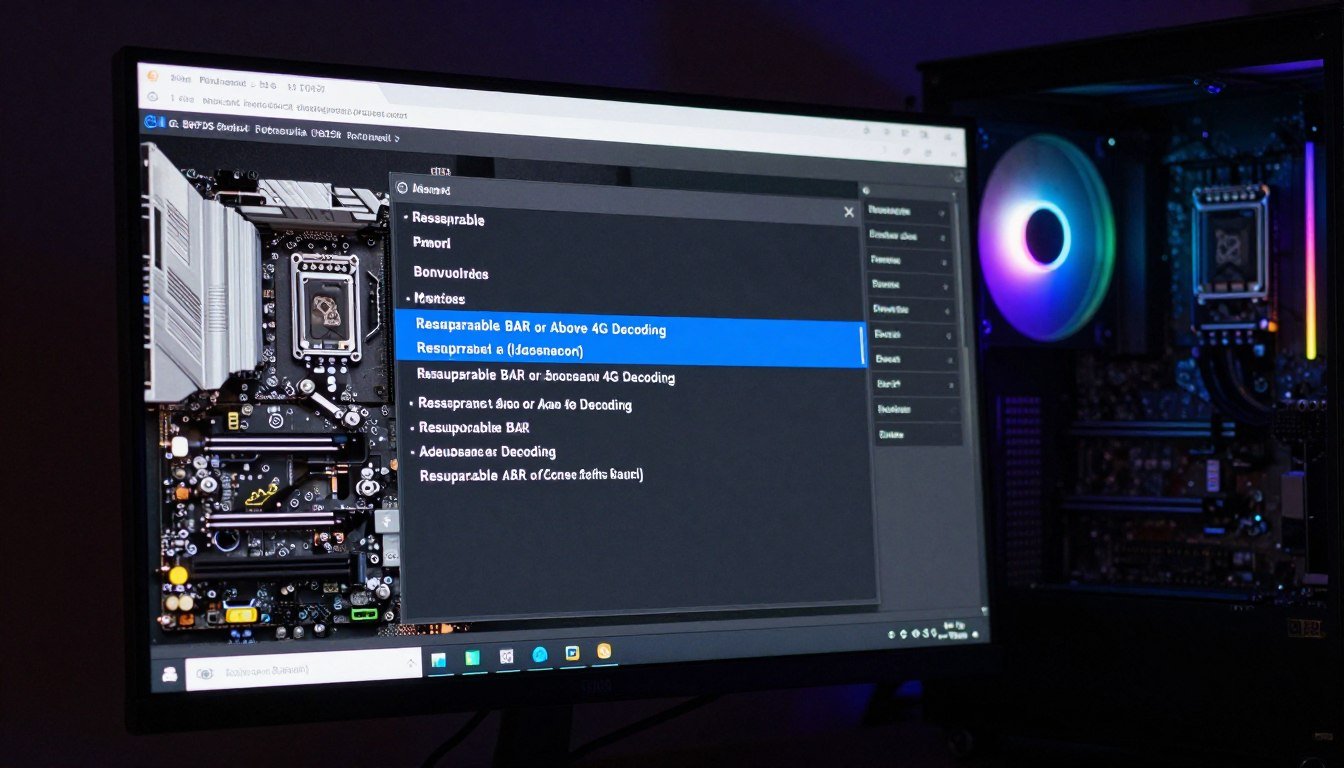
Resizable BAR Activation: The Free Performance Fix You’re Probably Missing
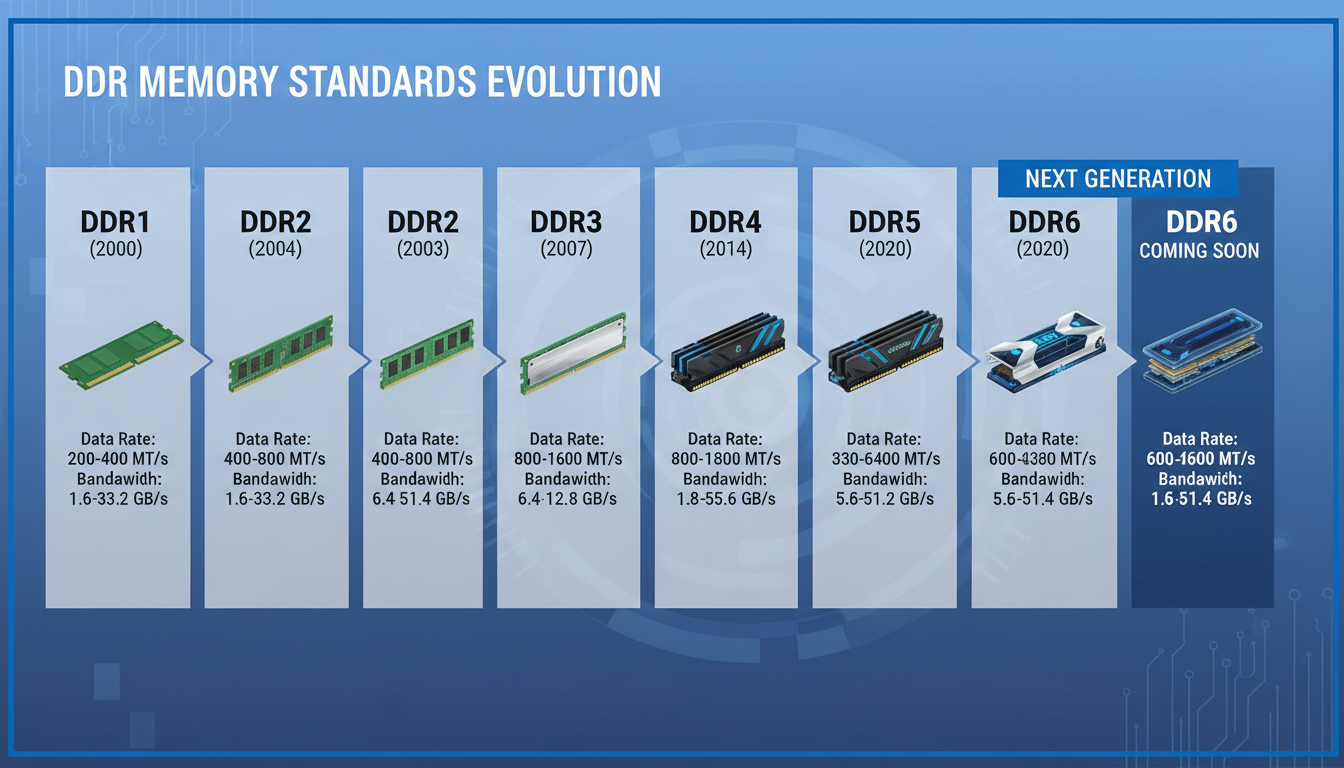
DDR6 RAM: The Future of Memory Technology Unveiled
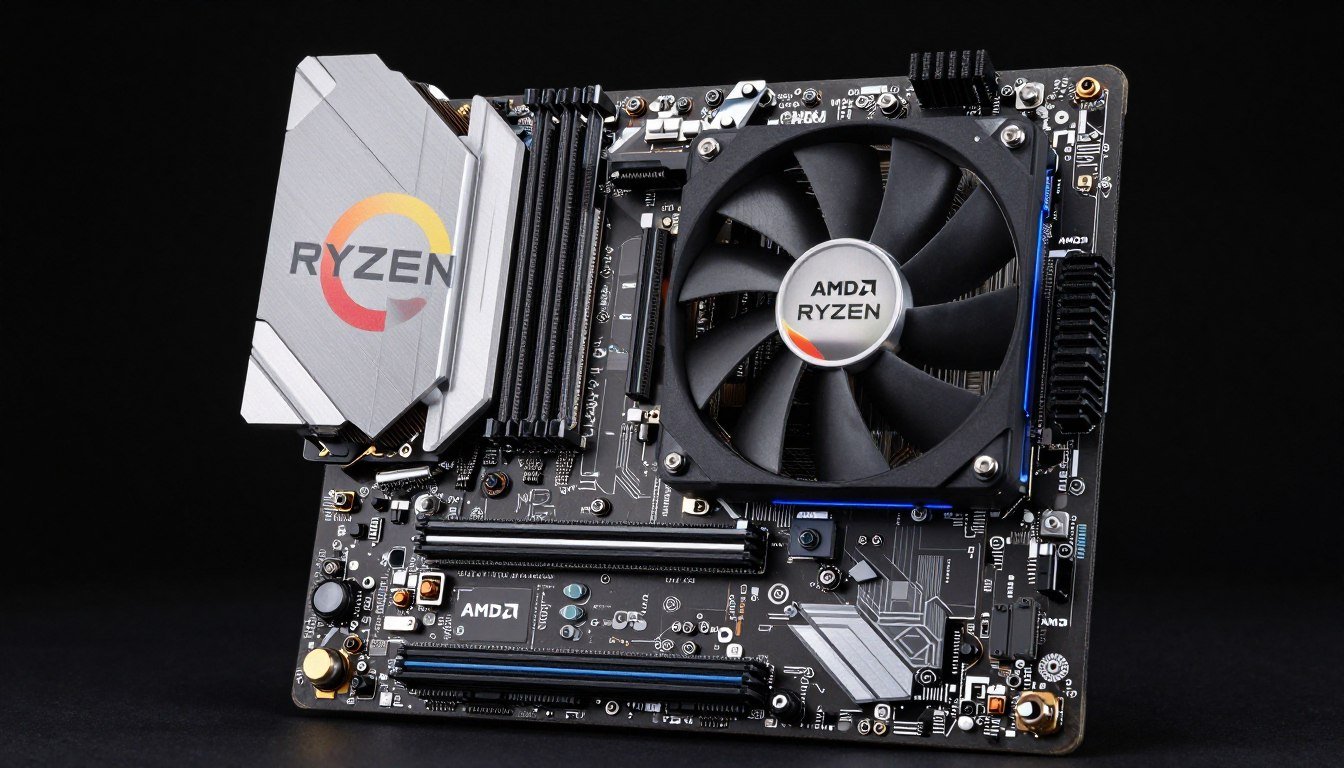
Ryzen 9800X3D Analysis: The Definitive Guide to AMD’s Gaming Powerhouse
Nvidia Control Panel: The Ultimate “Global Settings” Guide
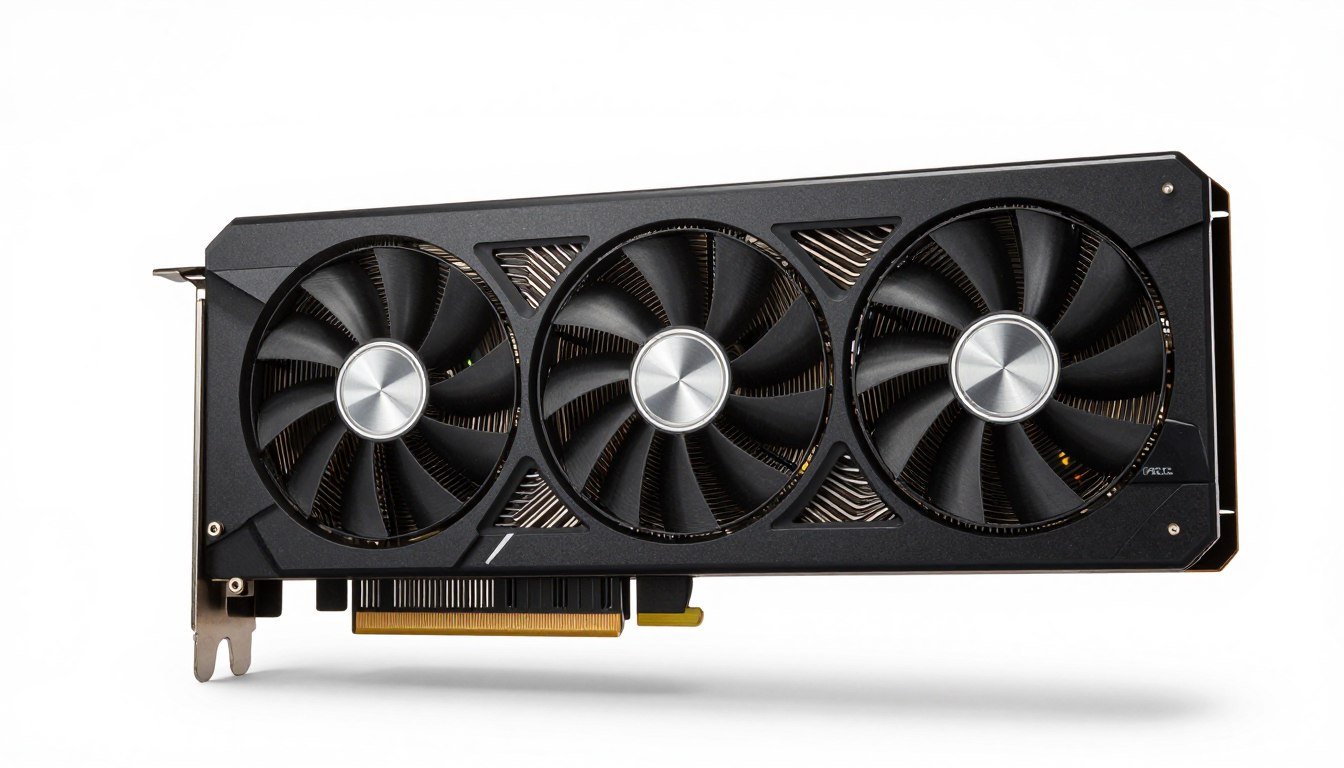
RTX 5090 Blackwell Guide: Maximizing Performance for Gaming and AI Workloads
Operating System Refinement: Windows 13 and Services
Modern gaming relies heavily on how the OS manages background tasks. A Windows 13 debloat is the first step for any enthusiast looking to reclaim lost performance. By knowing which Windows services to disable, you reduce the background polling that causes frame time variance.
While Windows Game Mode had a rocky start, our 2026 gaming optimization tests show it is now effective at prioritizing game threads on hybrid CPUs. However, it isn’t a “set and forget” solution. For maximum gaming OS optimization, you must manually verify that high-priority tasks aren’t being interrupted by telemetry or cloud syncing services that increase DPC latency.
GPU Software & Driver Configuration
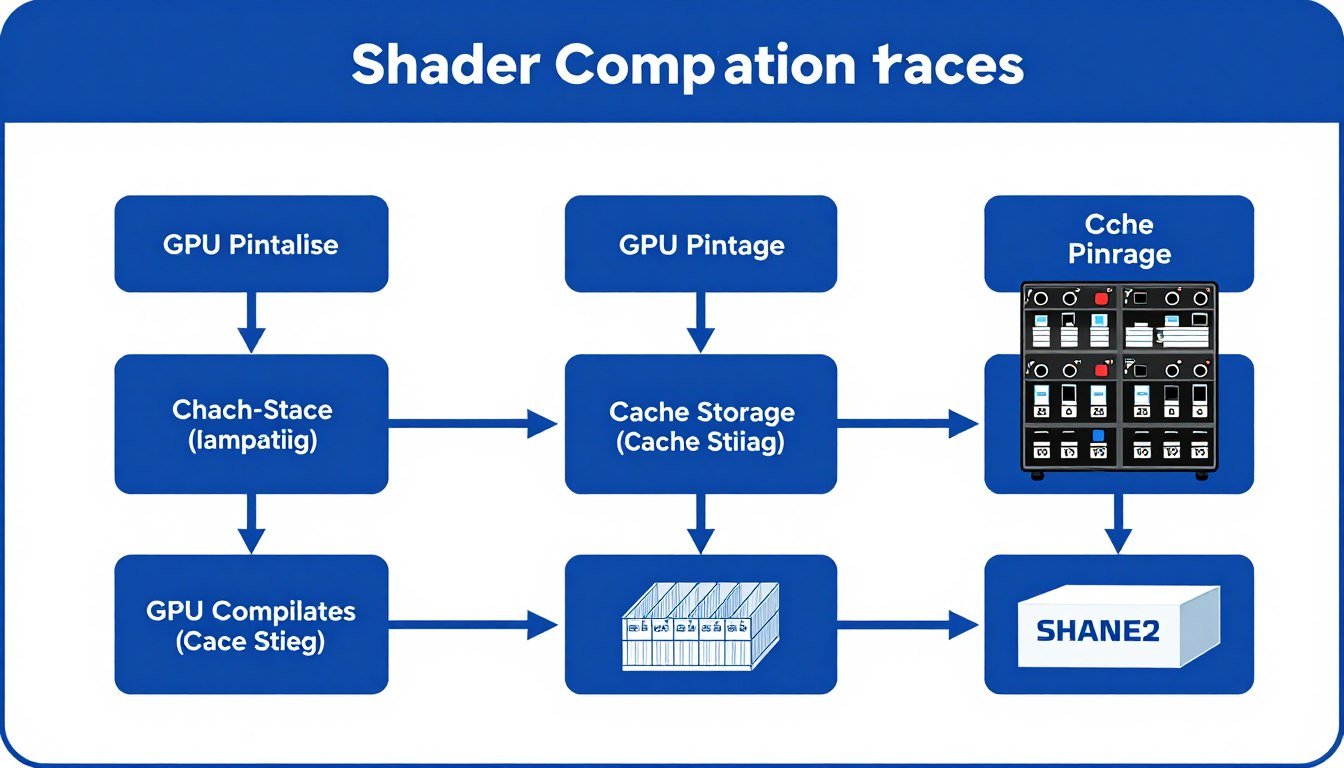
The Nvidia Control Panel remains the most powerful tool for GPU optimization. Within the global settings, you should prioritize “Prefer maximum performance” and ensure that your DirectX shader cache is set to at least 10GB. This prevents shader compilation lag by storing pre-compiled assets on your drive rather than forcing the GPU to recreate them every time you enter a new area.
If you are running an RTX 5090, managing the Blackwell architecture requires specific attention to power limits. Properly configuring your global settings ensures that the card hits its boost clocks without hitting thermal ceilings prematurely. For those focused on AI workload performance, keeping your chipset drivers and motherboard drivers up to date is actually more important than the GPU driver alone, as it ensures the PCIe bus is communicating at full Gen 5 or Gen 6 speeds.
Memory Sub-Systems: DDR6 and Beyond
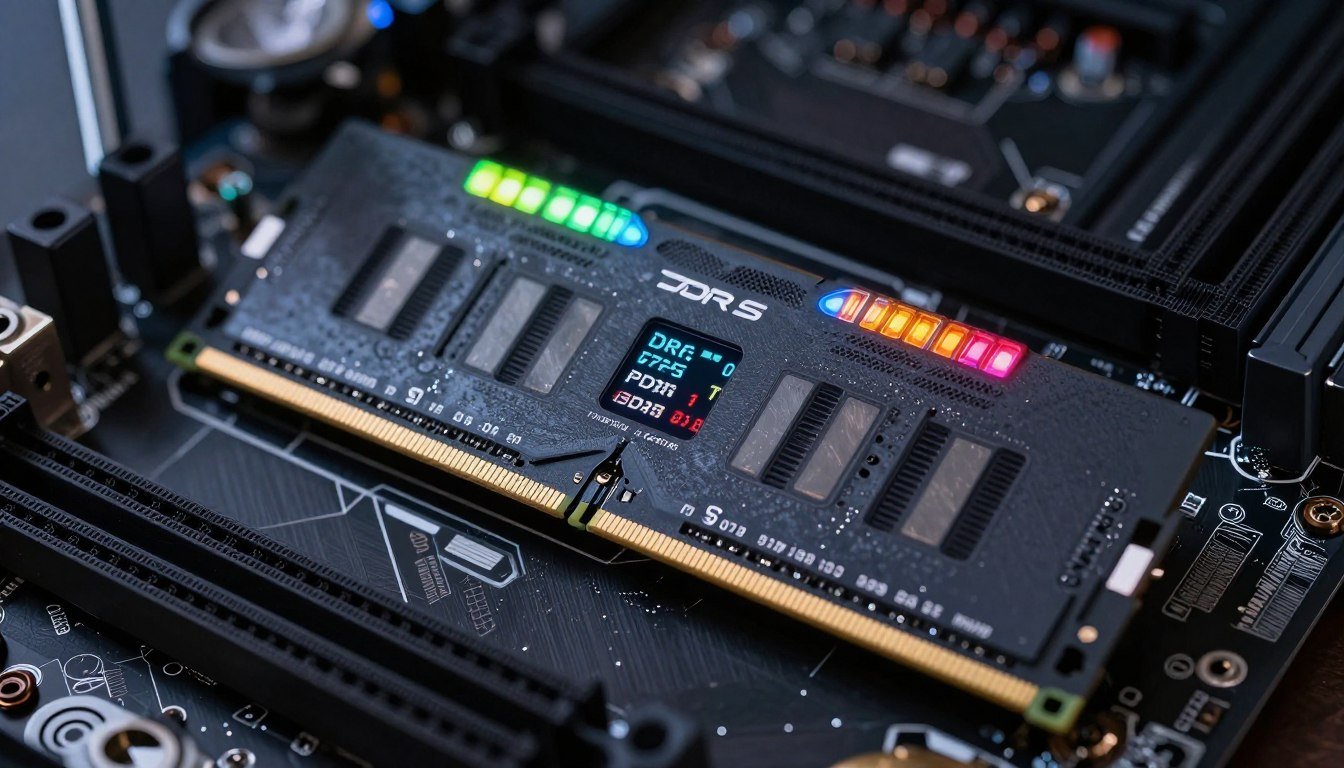
We have entered the era of DDR6 RAM, where next-gen memory speeds are reaching unprecedented levels. However, high DDR6 speed isn’t everything. To achieve true system stability, you must dive into RAM timing and CAS latency. Simply enabling XMP vs. EXPO profiles is a good start, but manual tuning of memory sub-timings is what truly eliminates the 0.1% lows that feel like stutters.
Your RAM configuration also plays a role. In 2026, the dual-channel vs. quad-channel RAM debate has shifted due to how modern controllers handle memory bandwidth. Ensuring you have the correct memory profiles loaded in the BIOS is the difference between a system that benchmarks well and one that provides smooth gameplay. For overclocking RAM, always prioritize stability over raw MHz to avoid silent data corruption.
CPU-Specific Performance: Ryzen 9800X3D
The Ryzen 9800X3D has solidified itself as the definitive AMD gaming CPU. The 3D V-Cache technology drastically reduces the time the processor spends waiting for data, but it still requires optimization. You must ensure that Resizable BAR (or Re-Size BAR) is active in your BIOS. This free FPS boost allows the CPU to access the entire GPU frame buffer at once, which is vital for the high-cache architecture of the X3D chips.
Latency, Stutter, and Smoothness
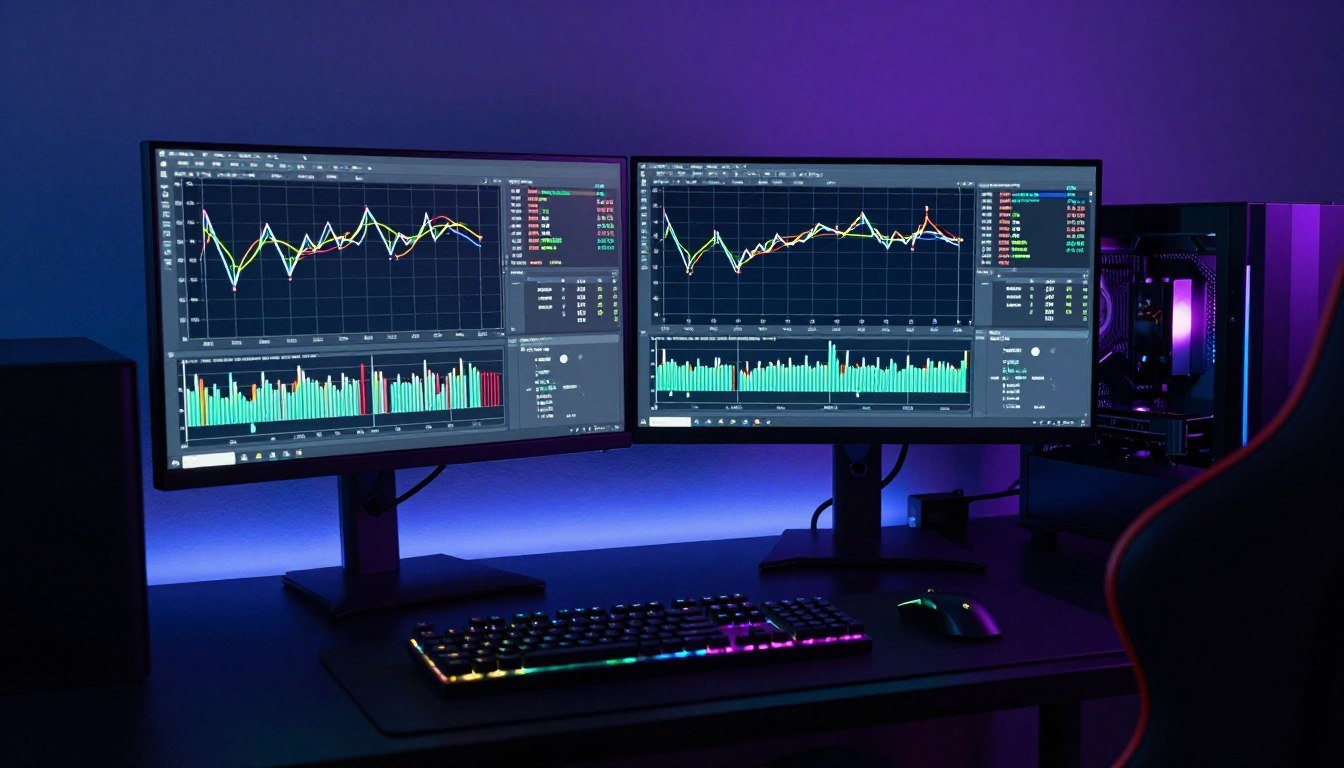
Nothing kills the “feel” of a high-end rig like audio pops or micro-stutters. These are often caused by DPC latency issues where a driver is hogging the CPU. Using a LatencyMon fix involves identifying the specific driver—usually a network or third-party peripheral driver—and updating or disabling it.
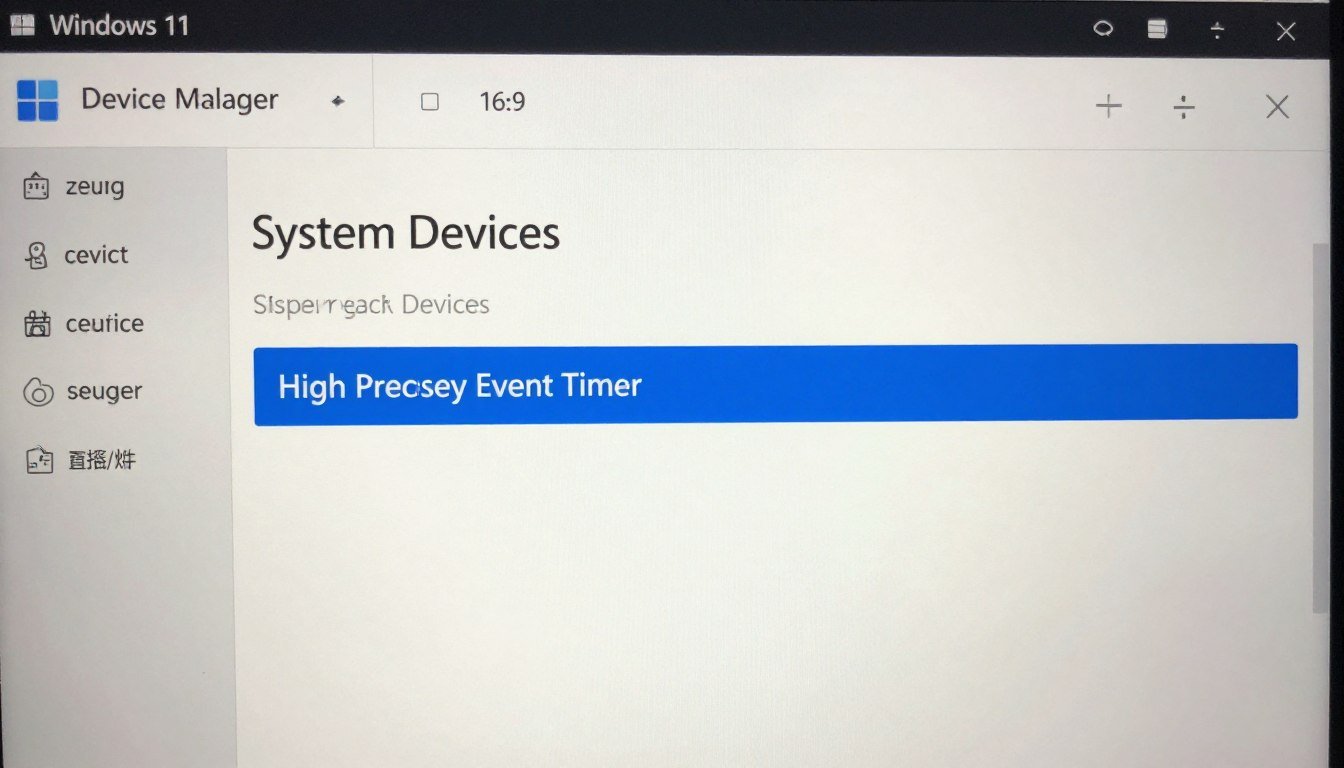
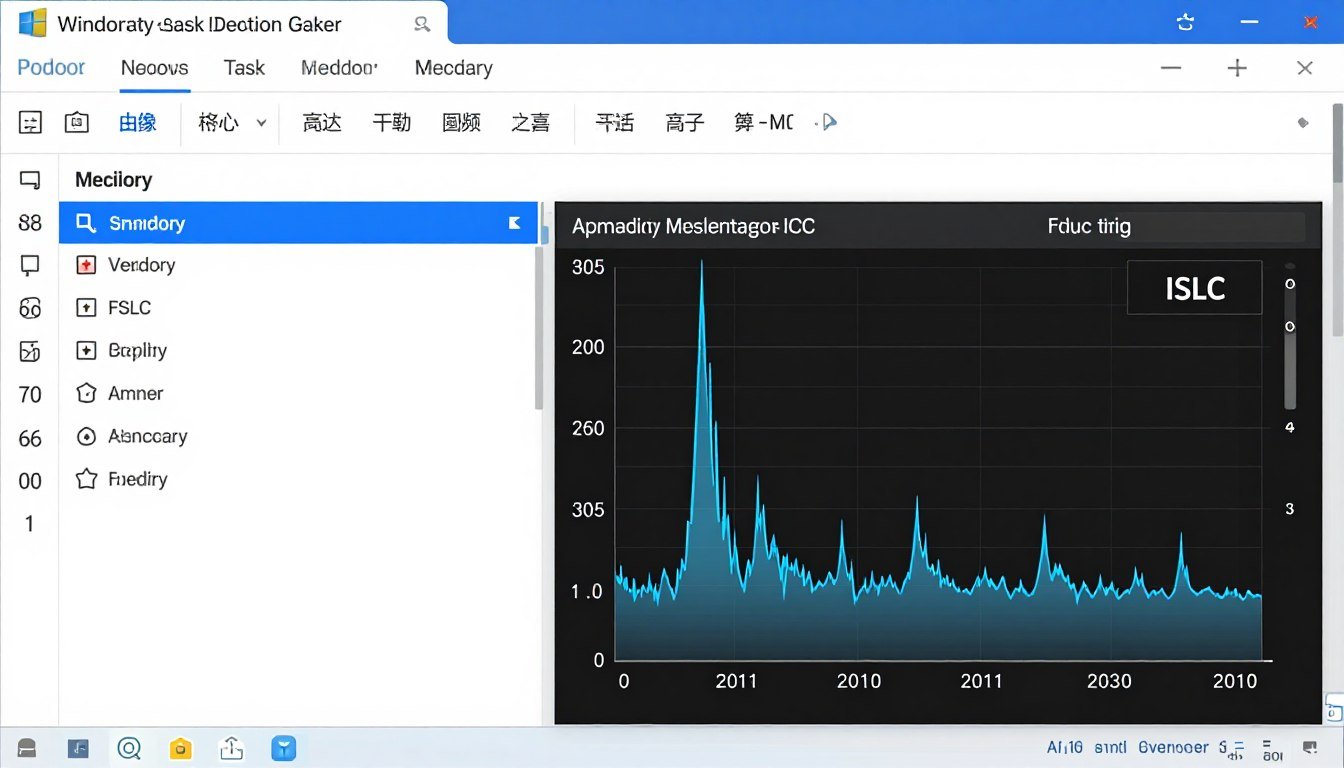
To fix micro-stutter, we highly recommend an ISLC guide approach. Using the Intelligent Standby List Cleaner helps fix RAM leaks by clearing the standby memory that Windows often fails to purge. This ensures that your 1% lows remain high, providing the frame time consistency needed for competitive gaming. Additionally, while it was popular in the past, we now recommend you disable HPET (High Precision Event Timer) only after testing; in 2026, many modern engines rely on it for gaming latency timing, and disabling it can sometimes cause more harm than good.
Hardware Maintenance and SSD Health
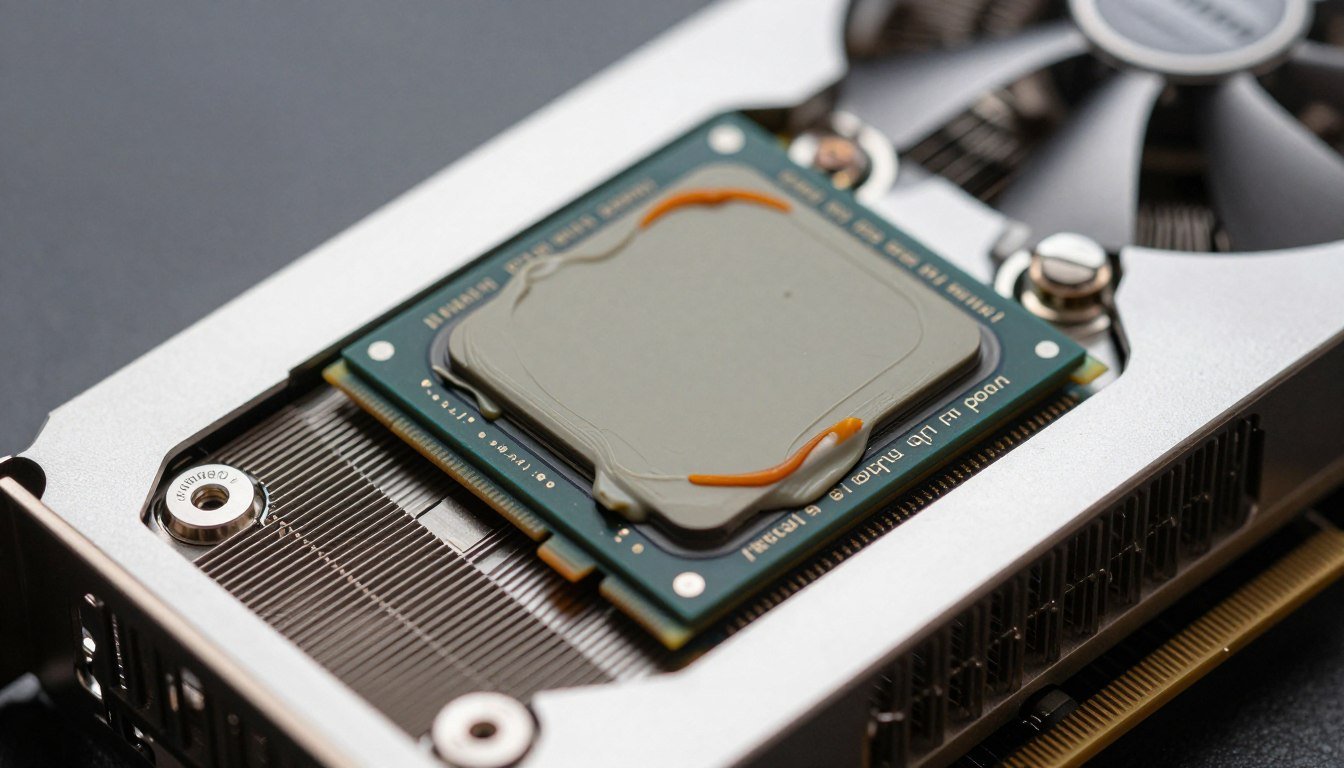
Physical maintenance is part of optimization. If your hotspot temperature is reaching over 100°C while the core is only 70°C, it is time to repaste GPU components. Using a high-quality GPU thermal paste can drop temps by 10-15°C, preventing the thermal throttling that looks like a PC stuttering fix in your logs.
Finally, don’t ignore your storage. SSD health directly impacts asset streaming. Ensure the TRIM command is running on a schedule and always leave at least 10% for SSD over-provisioning. This ensures the controller has enough “clean” blocks to maintain high write speeds, preventing the momentary pauses that occur when an SSD is nearly full.
PC Optimization: Frequently Asked Questions
Is a Windows 13 debloat really necessary for a modern gaming PC?
Yes. Even on high-end hardware, a Windows 13 debloat reduces the number of “interrupts” the CPU has to handle. When you disable Windows services that aren’t needed for gaming, you create more “thermal and processing headroom” for your game, which directly translates to better frame time consistency.
How do I fix micro-stutter if my FPS is already high?
High FPS doesn’t always mean a smooth experience. To fix micro-stutter, you should first look at DPC latency using tools like LatencyMon. Often, audio pops and stutters are caused by a driver conflict. Secondly, follow an ISLC guide to manage your standby memory list. This helps fix RAM leaks and ensures your 1% lows remain stable, which is the key to smooth gameplay.
How do I fix micro-stutter if my FPS is already high?
High FPS doesn’t always mean a smooth experience. To fix micro-stutter, you should first look at DPC latency using tools like LatencyMon. Often, audio pops and stutters are caused by a driver conflict. Secondly, follow an ISLC guide to manage your standby memory list. This helps fix RAM leaks and ensures your 1% lows remain stable, which is the key to smooth gameplay.
Should I manually tune my DDR6 RAM or just use XMP/EXPO?
For 90% of users, XMP vs. EXPO is enough. However, if you want the absolute best AI workload performance or the lowest possible gaming latency, manual tuning of RAM timing and CAS latency is required. Lowering your memory sub-timings can improve your minimum frame rates significantly, even if the average FPS stays the same.
Why is my GPU hotspot temperature so much higher than the core?
This usually indicates that the GPU thermal paste has dried out or was poorly applied at the factory. When you repaste GPU dies, you ensure even contact across the entire silicon. If the hotspot temperature gets too high, the card will throttle its clock speed to protect itself, causing a sudden drop in performance that feels like a bottleneck.